Saudi officials “predict” a sharp rise in prices by the end of April, warning of a recession or collapse in demand, the Wall Street Journal writes.
In one of the most worrying scenarios since the start of the war with Iran, Saudi officials estimate that oil prices could rise to $180 a barrel in the coming weeks.
These are certainly levels that could send the global economy into recession.
And this perspective is not just an extreme case. According to sources cited by the Wall Street Journal, the “baseline scenario” now states that if supply disruptions continue, prices could initially move towards $150, reach $165 and then even $180 per barrel.
The market is already on a winding, upward trajectory. Brent, the benchmark for the European market, has risen by around 50% since the start of the conflict in late February. Meanwhile, Oman-linked oil prices – a key indicator for Middle Eastern exports – topped $166, reflecting immediate pressures in the region.
Behind this explosive course are successive attacks on energy infrastructure and, most importantly, the almost complete shutdown of the Strait of Hormuz — the passage through which about 20% of the world's oil passes. Attacks on facilities in Qatar, but also on critical points in Saudi Arabia, such as Yanbu on the Red Sea, heighten fears of even greater shortages.
Why this growth isn't a blessing for oil producers either
For Riyadh, however, such a price hike is not necessarily a blessing. On the contrary, it is a cause for deep concern. Historically, Saudi Arabia has avoided steep increases because they tend to lead to long-term instability. Very high prices could cause consumers and businesses to cut back on energy use or accelerate the switch to alternatives — a phenomenon analysts call “demand collapse.”
Even more immediate is the risk of recession. As analysts point out, levels above $150 act as a “tax” on consumers and businesses. Rising fuel costs reduce consumption, reduce business margins and ultimately slow economic activity.
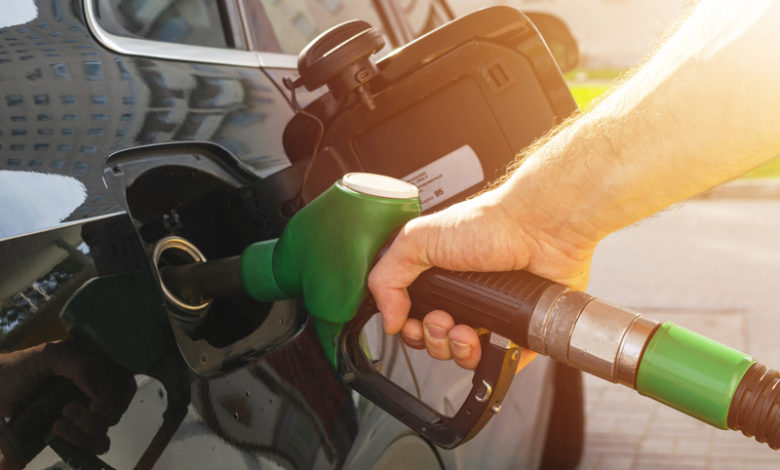
The first signs are already visible. In the US, the average price of gasoline is approaching $4 a gallon, while diesel has topped $5, burdening the entire supply chain – from food transportation to industrial production. In Europe and Asia, the increases are even more pronounced, with economies under pressure from both inflation and the depreciation of their currencies against the dollar.
From 150 dollars everything changes
The critical question for producers is how much higher prices can rise before demand starts to “break down”. As traders note, $150 is the point where consumers start to change their behavior – from reducing travel to delaying investments.
Despite the grim scenarios, nothing is certain. A de-escalation of the conflict or the return of additional volumes to the market – for example from countries under sanctions – could reduce the pressure. However, as long as the crisis persists and energy flows remain constrained, markets will continue to anticipate the biggest swings.
The price of oil at $180 is no longer just an extreme scenario. It's a possibility that manufacturers themselves are seriously considering – and one that, if confirmed, could radically change the global economy.