

Surgery remains an essential component in the treatment of breast cancer, and the extent of the intervention and the postoperative aesthetic results significantly influence the quality of life of the patients. In the context of continuous medical advances in the field of oncology in recent decades, more and more women are living long and active lives after a breast cancer diagnosis. Thus, the goals of treatment are no longer just about survival, but also about maintaining a good quality of life, given the psychological and emotional impact that the disease and associated treatments can have on a woman's identity, personal relationships and self-confidence.
A meta-analysis recently carried out by the team coordinated by Prof. Univ. Dr. Alexandru Blidaru and published in Surgery Magazine shows that the type of surgery significantly influences the quality of life of patients after breast cancer treatment. The research looks at the impact of different surgical techniques on recovery and long-term quality of life.
Dr. Mihaela Năstase, doctor in the research team and PhD student in this field, quotes: “The data show that modern techniques of conservative surgery and breast reconstruction contribute significantly to improving the quality of life of patients treated for breast cancer, without compromising oncological safety.”
Mastectomy, the surgical intervention that involves the complete removal of the breast, has a major impact on body image. In recent years, however, when the oncological situation allows, it is increasingly replaced by conservative breast surgery. This approach can be applied in the early stages of the disease or after neoadjuvant preoperative treatment, when the tumor is significantly reduced, providing oncological results at least comparable to those of mastectomy. In cases of advanced disease, multicentric tumors or in the absence of an adequate response to treatment, mastectomy remains the necessary therapeutic option.
“In Romania, the majority of surgical interventions for breast cancer are still represented by mastectomies, mainly due to the late detection of the disease. Added to this is a mentality still present both at the population level and sometimes among the medical staff, according to which the mastectomy would constitute a “sacrifice” necessary for healing. As a result, approximately 60-70% of the interventions are mastectomies. Compared to Western countries, where their rate is approximately 30%. Thus, the proportion of conservative treatments and oncoplasty techniques remains significantly lower in Romania. Also, only about 10% of patients benefit from breast reconstruction after mastectomy.” explains Prof. Univ. Dr. Alexandru Blidaru.
Breast reconstruction is an important element of the therapeutic plan. This can be done immediately, at the same time as the mastectomy, or later, at a distance. From a technical point of view, the reconstruction can be done using alloplastic materials (prostheses, expanders, synthetic meshes or acellular dermal matrix) or by using autologous tissues.
Each of these techniques has advantages and disadvantages, and the indication must be established according to the stage and characteristics of the disease, the anatomical and biological particularities of the patient, and last but not least, her wishes and expectations.
The results of the analysis show that interventions that preserve or reconstruct the shape of the breast are associated with a better quality of life.
“Conservative oncoplastic surgery, which combines the principles of oncological surgery with those of aesthetic surgery, allows effective treatment of oncological disease and, at the same time, obtaining good aesthetic results or even correcting pre-existing problems, such as macromastia or breast ptosis” explained by Prof. Univ. Dr. Alexandru Blidaru.
Oncoplastic surgery recorded the highest levels of patient satisfaction (over 90%), followed by autologous tissue reconstruction and implant reconstruction after mastectomy. Also, patients who had a reconstruction operation immediately after mastectomy recorded a better quality of life.
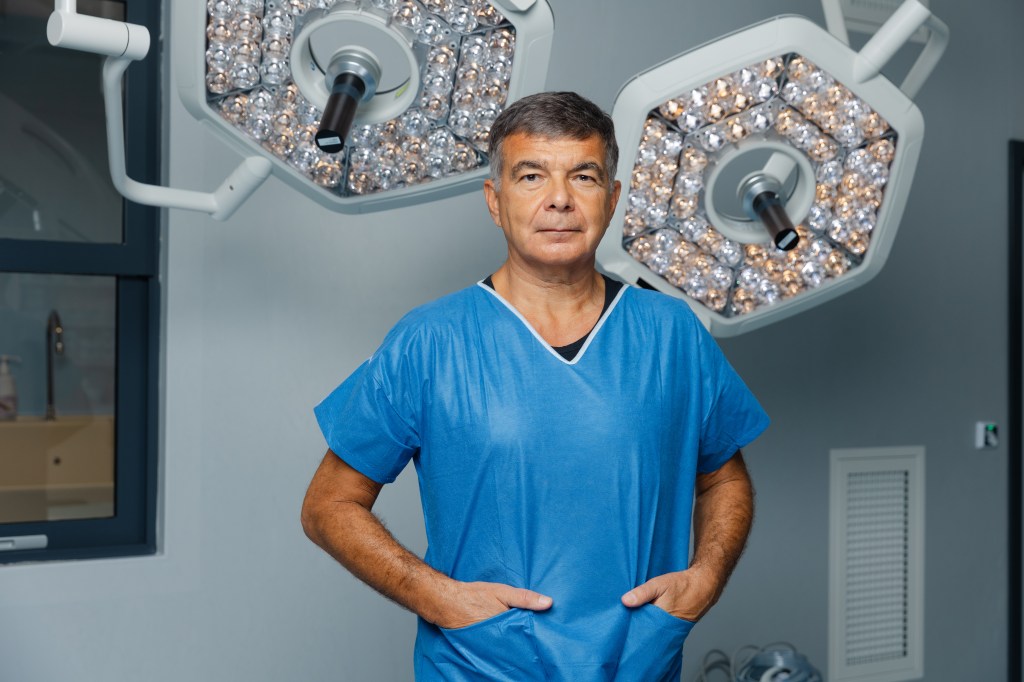
Within the Medicover Pipera Hospital, the team coordinated by Prof. Univ. Dr. Alexandru Blidaru uses modern techniques of oncoplastic surgery and breast reconstruction, based on an integrated decision protocol adapted to each patient. Oncoplastic surgery represents a standard in hospital interventions, being used in over 70% of operated patients in 2025. 62% of patients opted for reconstruction immediately after mastectomy.
At Medicover, breast cancer treatment is based on a multidisciplinary approach. This integrated approach allows treatment to be personalized and gives patients access to modern methods of diagnosis and treatment.
Article sponsored by Medicover


