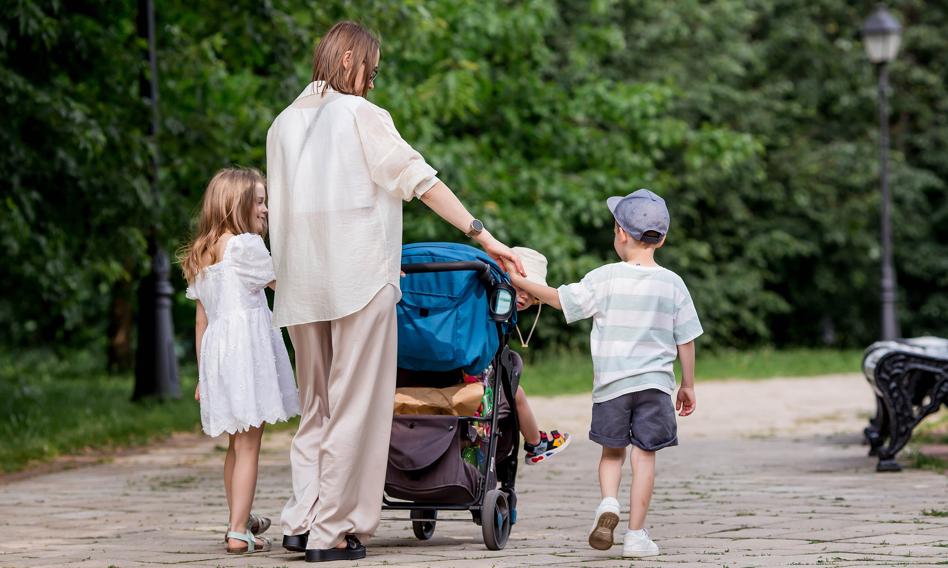
After a divorce, the lack of agreement between the parents does not always mean that the family tax relief will be divided equally. The latest tax office interpretation shows that if there is no alternating care and the children live with one of the parents, he or she can benefit from the full deduction.
The case concerned a mother of two minor children who was divorced in 2024. The court left the exercise of parental authority to both parents, but indicated the mother's place of residence as the place of residence of the children. Simultaneously no alternating care was granted. The children's father had established contacts every other weekend, two afternoons a month, and also during some holidays, holidays and holidays. He also paid alimony.
The woman indicated that she takes care of the children on a daily basis, runs the same household with them and bears the main costs of their upkeep. This includes: about housing fees, food, clothes, treatment, extracurricular activities, kindergarten and organization of daily care. There was no agreement between parents on the division of the pro-family tax relief for 2025.and the children's father believed that he was entitled to half of the deduction.
However, the Director of the National Tax Information found the mother's position to be correct and confirmed that she could settle the entire child tax relief.
What matters is the actual exercise of parental authority
In the justification for the issued interpretation, the tax authority emphasized that the right to child relief does not result solely from the formal possession of parental authority. It is necessary to actually do it.
As indicated, “the mere possession of parental authority is insufficient to apply the preference in question.” To obtain the right to relief, both are necessary possession of parental authority and its actual exerciseunderstood as real care for the child and concern for its proper development – from living and health needs to educational, developmental and emotional needs.
The authority also reminded that upbringing should be understood as providing constant care and active participation in the child's life. This may manifest itself, among others: in contacts with teachers, being interested in health, supporting learning or organizing everyday functioning.
The relief is divided equally
The regulations state that parents can, in principle, divide the relief in any proportion if they agree. However, in certain cases, the law imposes a split by half. This happens when, after divorce or separation, the parents jointly exercise parental authority under alternate custody or when the child has the same place of residence as both parents.
In other cases, a different rule applies. As indicated by the tax office, the full deduction is available to the parent with whom the child resides within the meaning of the Civil Code.
In the analyzed case, there was no alternating custody, and the children's place of residence was determined by their mother. It was this circumstance that turned out to be crucial.
100 percent relief for the parent with whom the children live
The director of the KIS decided that since there was no agreement between the parents, no alternating custody was granted, and the children permanently lived with their mother, it was she has the right to deduct the full amount of pro-family relief. The authority confirmed that the woman is entitled to 100 percent. relief for 2025, as well as in subsequent years, unless the facts presented in the application change.
The mere fact of paying alimony and contact with children within the scope determined by the court does not mean the automatic right to half the relief. For the tax office, it is primarily important where the children live permanently and which parent actually provides daily care.
How much is the family tax relief?
The child tax relief is generally PLN 92.67 per month for the first and second child. In the case of three or more children, the amounts increase for the third and subsequent children. In families with two minor children, the annual deduction amounts to a total of PLN 2,224.08. The amount directly reduces the amount of income tax payable. If it is insufficient, the taxpayer is entitled to an additional refund for paid social security and health insurance contributions.