Last July, four high-ranking tech industry executives specializing in artificial intelligence were commissioned into the United States Army Reserve with the rank of lieutenant colonel.
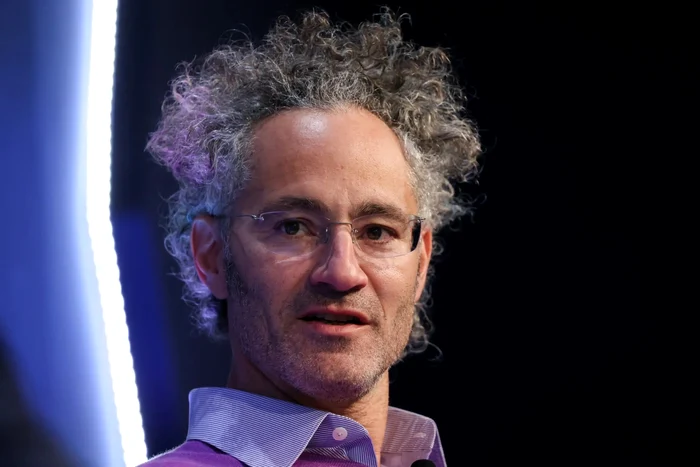
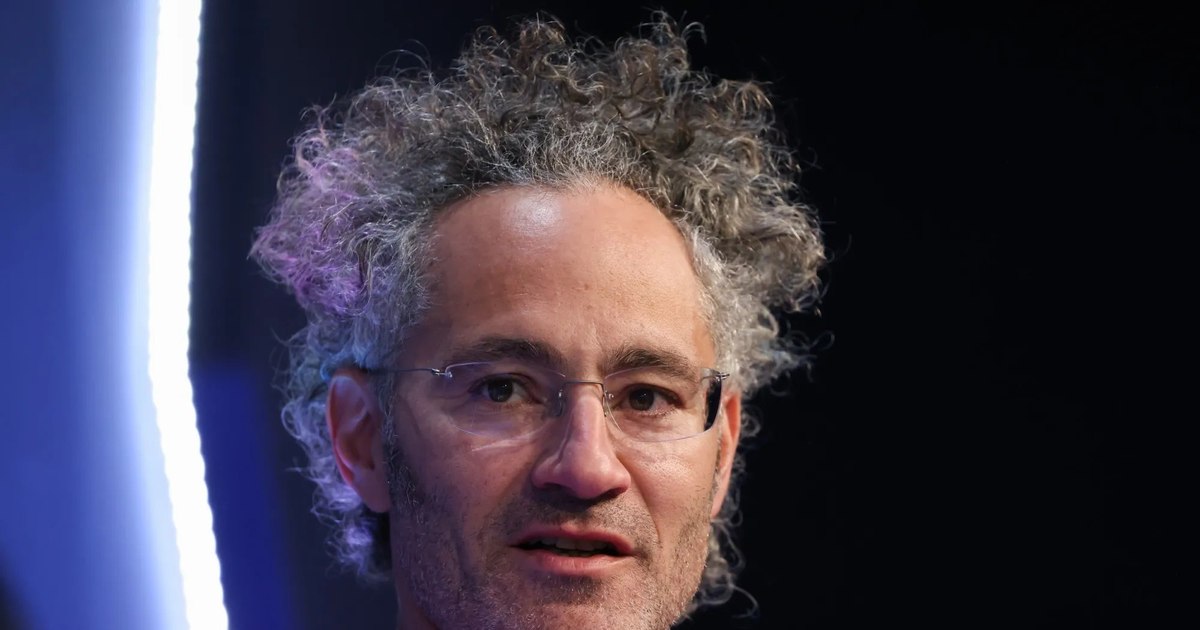
Alex Karp, CEO Palantir/PHOTO:X
They are part of a new unit, Detachment 201, also known as the Executive Innovation Corps — a Pentagon initiative designed to strengthen ties with Silicon Valley.
The appointment of tech leaders with no military experience to such roles reflects a broader shift: the tech industry is increasingly positioning itself as a central player in national defense.
From anti-war ideals to collaboration with the military
The tech industry, once associated with libertarian and anti-war values, is now collaborating ever more closely with the defense sector.
Companies like Google or SpaceX, along with startups specialized in military technology, are developing systems based on artificial intelligence, autonomous drones and other technologies used in contemporary conflicts.
One example is Anduril Industries, which recently announced a contract with the Pentagon that could reach $20 billion.
Palantir's central role
At the center of this transformation is Palantir Technologies, founded by Peter Thiel, writes Business Insider.
The company, which specializes in data analytics and artificial intelligence, has become a key player in the collaboration between technology and the military sector, influencing the emergence of an entire ecosystem of defense startups.
A New Doctrine: “Palantirianism”
From the books and statements of the company's leaders emerges a distinct vision of global security, characterized by a strong emphasis on military power and the role of technology.
Works such as “The Technological Republic” by Alex Karp and Nicholas Zamiska or “Mobilize” by Shyam Sankar argue that the U.S. urgently needs to strengthen its military capability — including to deter potential conflict with China, especially over Taiwan.
This doctrine, informally called “Palantirianism”, advocates deterrence through technological and military superiority, particularly through the use of artificial intelligence.
Deterrence by force
According to this perspective, lasting peace is secured not through negotiations, but through the ability to impose extreme costs on adversaries.
The concept of “deterrence” is redefined: it is no longer based only on nuclear balance or diplomacy, but on the development of advanced military systems capable of dominating the battlefield.
Embarrassing incident for the US. General in charge of Ukraine, involved in a scandal: secret maps lost on the train and concussion after a night of alcohol
Reconfiguring the relationship between state and industry
The authors argue that the rapprochement between the technology and military sectors is essential.
In their opinion, the American market economy and the military apparatus are interdependent, and the reunification of the civilian and military industrial base is a strategic priority.
Technology in Modern Warfare
One of the most important products developed by Palantir is Project Maven — an artificial intelligence-based analytics platform used by the US military and NATO allies.
Originally designed to analyze images captured by drones, the system has evolved into a complex platform that integrates large volumes of data and can support real-time target identification.
In some cases, the systems can communicate directly with military equipment, reducing human intervention in the decision-making process—a development that raises ethical and operational questions.
The leader behind the company
Palantir's central figure is CEO Alex Karp, an unconventional character with a PhD in sociology and an atypical leadership style.
Over time, Karp shifted from left-wing political positions to a view focused almost exclusively on national security.
He argues that the technology should primarily serve public safety by supporting the military, police and intelligence services.
Controversy and criticism
Palantir's rise in influence has also drawn criticism.
The company is accused of facilitating the expansion of surveillance and supporting controversial policies. Some critics have described it as one of the most influential and controversial security companies.
However, Palantir claims that it only provides technological tools, and their use depends on the decisions of governments.
A wider change
Palantir's influence goes beyond the company itself.
An entire school of thought—backed by investments in startups like Anduril or Shield AI—promotes the idea that technological superiority is essential to security.
This view reflects a profound shift in Silicon Valley, where more and more leaders see their role as not just economic but also strategic.
As technology becomes more integrated into defense, the lines between the civilian and military sectors are blurring.
The vision promoted by Palantir suggests that the future of global security will be defined by technological competition and the ability of states to project their power through advanced systems.
This development raises fundamental questions about the balance between security, democracy and the role of private companies in managing global conflicts.