According to experts, this is how inflation will rise and interest rates will change. It's not just the oil crisis that's to blame

The growth rate of consumer prices in Poland in the coming months will approach or even exceed the level of 3%. The Monetary Policy Council will make only one cut in interest rates this year, lowering them to 3.5% – say experts from the VIG / C-QUADRAT TFI company.
Temporary or long-lasting shock? The consequences will appear anyway
– The conflict in the Middle East is changing inflation expectations. The positive surprises will end this year. Inflation will reach or even exceed 3% in the coming months, said Fryderyk Krawczyk, investment director of the VIG / C-QUADRAT investment fund company, at a meeting with journalists.
This would mean a reversal of the trend observed over the last dozen or so months. In January and February, the inflation rate reported by the Central Statistical Office was 2.1%, the lowest since March 2024.
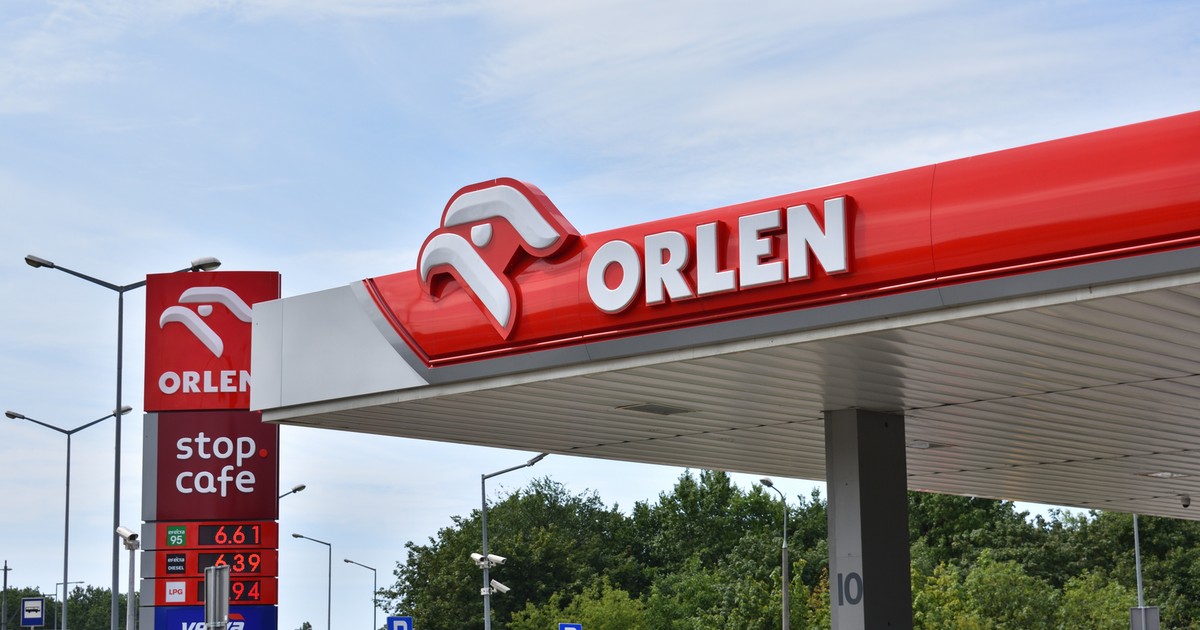
Inflation will be driven up primarily by fuel – prices at gas stations increased practically overnight after the US and Israel attacked Iran. VIG / C-QUADRAT indicates that while the inflation effect in the fuel channel appears in the first month after the turmoil occurs, other services become more expensive within two to six months.
The key question remains about the duration of the shock in the Middle East. – For now, we are dealing with a purely logistical crisis, and not with the permanent destruction of mining capacity in Arab countries. There is an adequate supply of raw material in the world, or even an oversupply, but there is no possibility of its smooth transport due to the blockade of the Strait of Hormuz. If the routes are unblocked quickly, price turmoil may only be temporary, says Fryderyk Krawczyk.
However, if the conflict were frozen and prolonged, and oil prices remained at an elevated level, inflation would spread to other sectors of the economy. If the oil shock lasts at least several months, higher costs will begin to hit broadly understood services, transport and food. In such a scenario, higher inflation will be embedded in the Polish economy for much longer. Experts say that in such a scenario, the increase in food prices should occur with a delay of 3 to 18 months after the shock occurs – the prices of vegetables and fruits will increase first, then cereals, and last meat and dairy products.
But even if the conflict ends quickly, price levels may remain higher due to the uncertainty and higher risks associated with oil supplies.
The economy shifts into high gear. This will also affect prices
This year's price level will also be influenced by the acceleration in the Polish economy. Experts expect GDP growth at 3.5-4%. – Even before the outbreak of escalation in the Middle East, it was assumed that inflation would start to surprise with higher readings due to the strong economic recovery – reminds Fryderyk Krawczyk.
In addition to strong consumption, supported by high real wage growth and a returning propensity to spend, a second driving force will be activated in the form of huge investments stimulated by EU funds and military spending. – Such demand pressure in a solidly growing economy, in which the labor market is still tight, must naturally find an outlet in the form of increased inflation – says the expert.
How will the monetary authorities react?
The Monetary Policy Council found itself in a difficult position. In the opinion of VIG / C-QUADRAT, the most likely scenario for the Monetary Policy Council is to adopt a wait-and-see attitude and refrain from making decisions. – The monetary authorities will probably want to wait for the situation in the Middle East to calm down and for a new inflation projection that will take into account all new risk factors – says Fryderyk Krawczyk.
In the base scenario, i.e. a quick freezing or partial extinction of the conflict, the company's experts expect that the Monetary Policy Council, which unexpectedly cut interest rates at the beginning of March, will make another rate cut this year after a break of several months. Therefore, the main rate may ultimately reach 3.5%. And until recently, it was expected that the Monetary Policy Council could make up to three cuts in credit costs this year.
However, it cannot be ruled out that if the conflict escalates, the Council, like other monetary institutions around the world, will be forced to intervene in order to stabilize financial markets and stop inflation expectations getting out of control.