The Brit present at the last round of US-Iran negotiations believes that an agreement was possible: “Iran's offer was surprising”

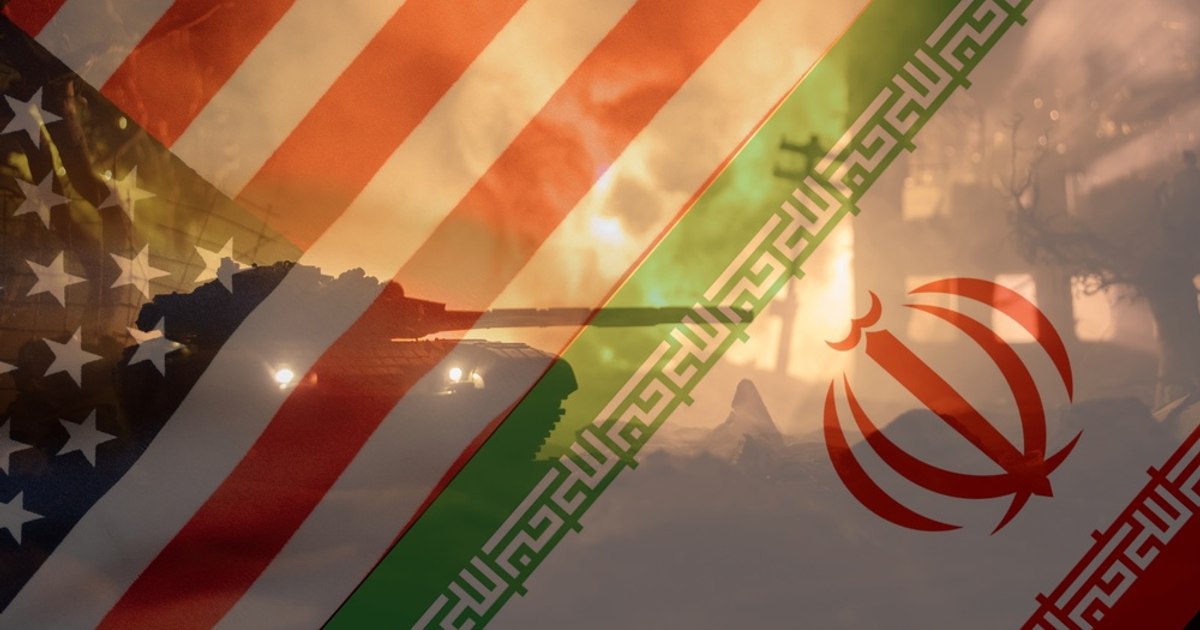
Britain's national security adviser, Jonathan Powell, attended the US-Iran negotiations and believed that Tehran's proposal on the nuclear program was sound enough to avoid a conflict. However, just two days after the talks, the US and Israel attacked Iran.
An agreement with Iran was close, before the American-Israeli attack PHOTO: Shutterstock
Jonathan Powell was present at the last negotiations between the US and Iran, held in Geneva, where, according to some sources, he appreciated that “progress has been made“, and Iran's offer was “surprising“.
The talks were to continue with a technical round in Vienna, but this did not take place. Two days before, the US and Israel launched an attack on Iran.
Powell's presence, confirmed by several sources, reflects London's direct involvement, but also concerns about the lack of a solid technical team on the US side, The Guardian reports.
Criticisms and differences in approach
US negotiators Jared Kushner and Steve Witkoff were not accompanied by their own technical experts, relying instead on IAEA Director Rafael Grossi. A former official explained: “Witkoff and Kushner didn't bring an American technical team…So Jonathan Powell brought his own team”.
The same official pointed out that “the British team was surprised by what the Iranians put on the table”considering the offer an important step, even if it was not a final agreement.
A possible but incomplete agreement
According to a Western diplomat, “Jonathan thought an agreement could be reached”but there were still differences, especially regarding UN inspections.
Iran has proposed reducing its stockpile of enriched uranium under IAEA supervision, halting future stockpiling and a 3–5 year pause in enrichment. The US, however, requested a period of 10 years.
In exchange, Tehran wanted about 80 percent of sanctions lifted and offered significant economic access, including participation in a civilian nuclear program.
The mediators considered the offer a “major progress”, which made an agreement possible.
Why did Britain hesitate?
Powell's involvement explains why London did not fully support the attack. British officials saw no clear evidence of an immediate threat and considered the action “illegal and premature”. Downing Street declined to comment directly on Powell's role.
Prime Minister Keir Starmer has been criticized by Donald Trump for his lack of support, especially after Britain initially refused the use of its military bases.
At the same time, opinions about American negotiators remain divided. A diplomat stated: “I considered Witkoff and Kushner assets to Israel, pushing a president into a war he wants out of“.