Russia operates according to a pattern known from history

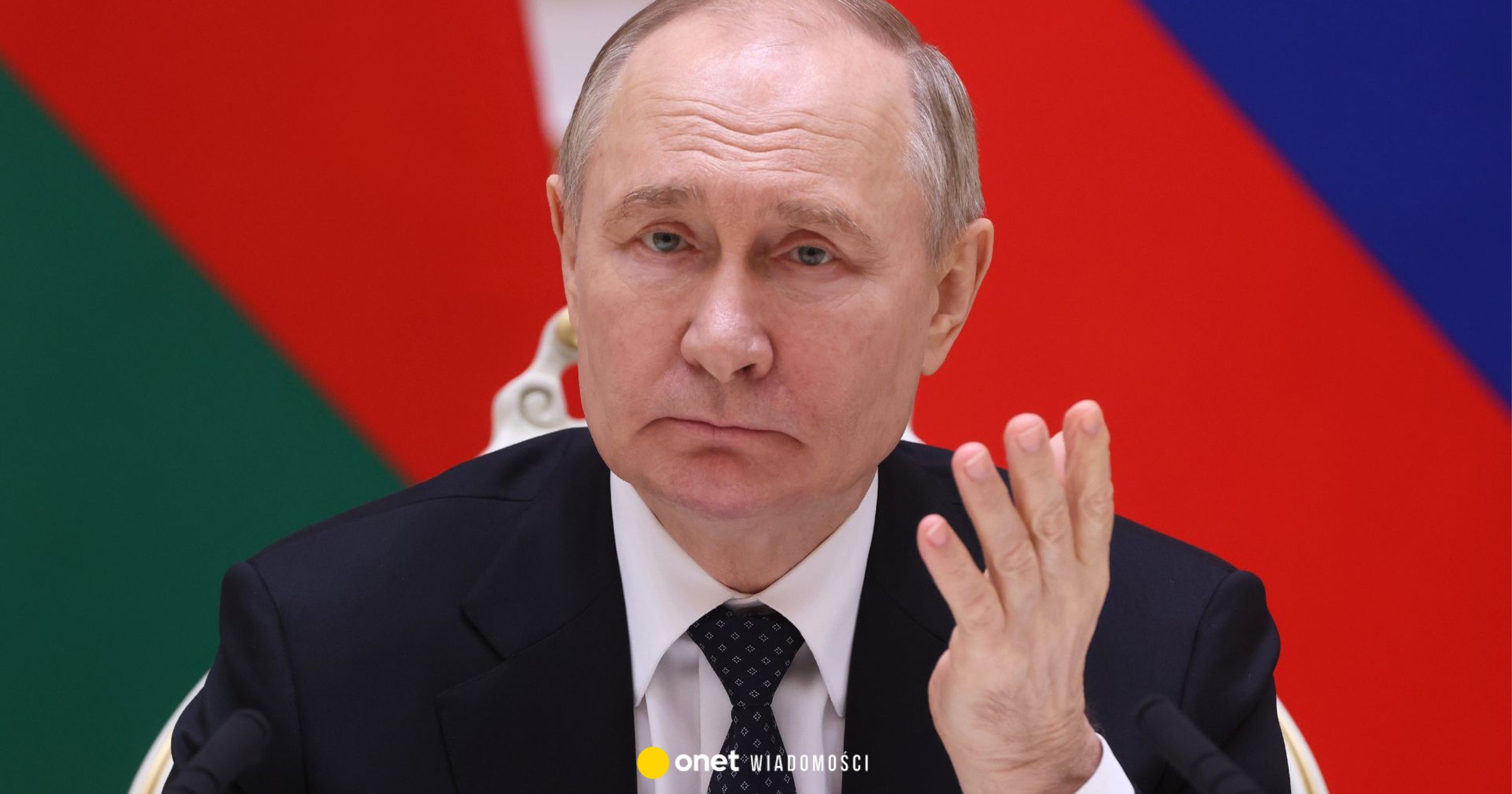
Amendments to the laws, developed by the Russian Ministry of Defense, will enable the use of armed forces units “outside the territory of the country”. This would be aimed at “protecting Russian citizens” in cases of arrest, detention, criminal proceedings or other legal action abroad.
The Kremlin portrays the move as a legal measure aimed at defending Russians abroad. Experts say this is part of a known and dangerous patternwhich Moscow has used in the past.
Critics of Moscow's moves claim that Russia is creating a formal legal basis for aggressive actions in other countries. This is a known Kremlin tactic. Russia has repeatedly used arguments about the protection of Russian-speaking people or newly acquired Russian “citizens” to justify intervention abroad.
The legal changes concern Russian laws “On Citizenship” and “On Defense”, as well as rulings of foreign courts and international judicial bodies whose jurisdiction Moscow does not recognize.
Kasparov warns against Kremlin moves
“We know that for Putin everything must still appear to follow certain rules,” Kasparov said in an interview with the Free Russia Forum [konferencja rosyjskiej opozycji, odbywająca się dwa razy w roku w Wilnie, zapoczątkowana w 2016 r. m.in. przez Kasparowa].
“It is absolutely obvious that the legal basis for an attack on NATO or other aggression is already prepared,” he added.
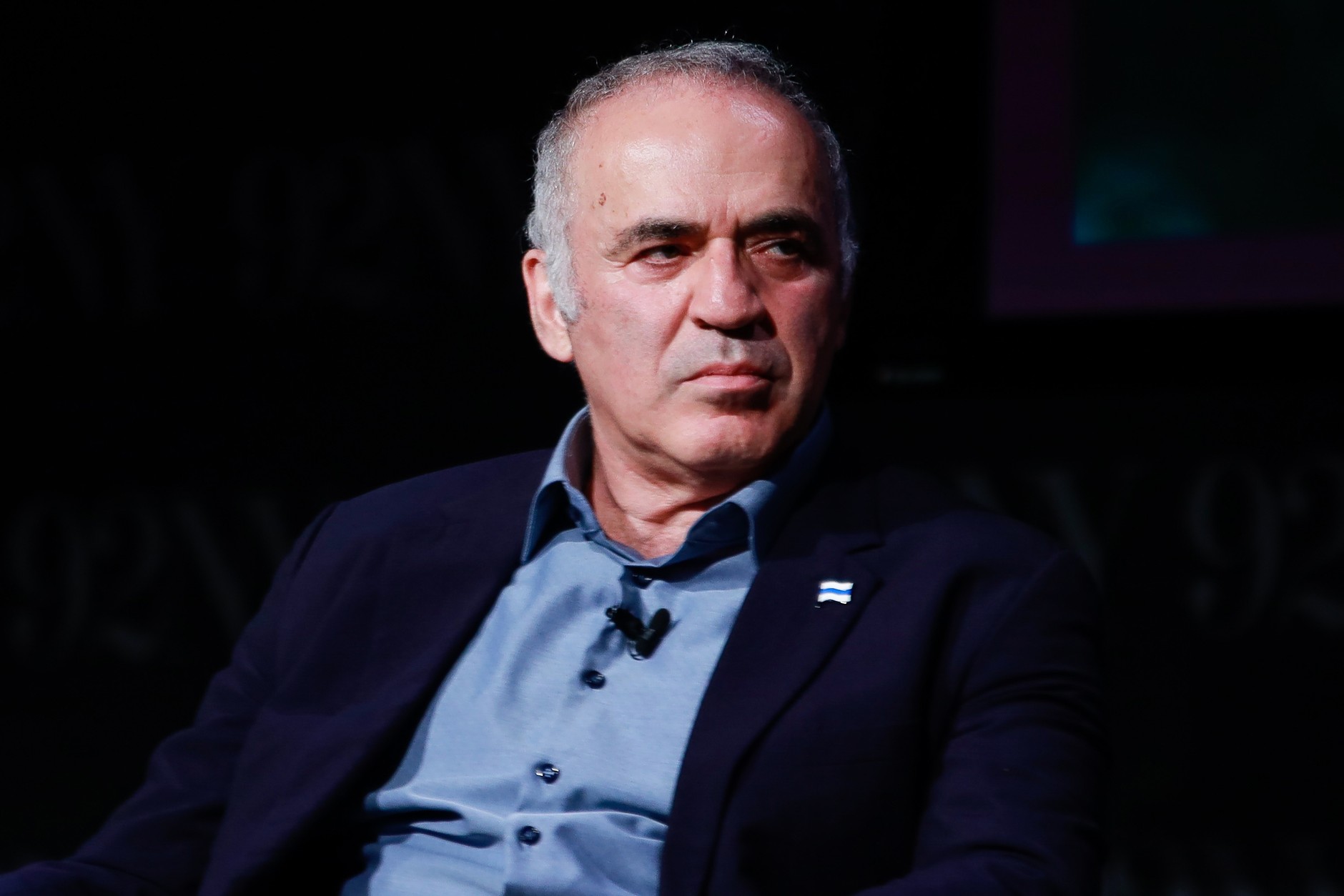
Garry KasparovJason Mendez / Contributor / Getty Images
Kasparov suggested that the reference to protecting Russians abroad should be taken seriously, especially given the Kremlin's long-standing use of such rhetoric to justify intervention in neighboring countries. According to the oppositionist, the new law opens the door to military action wherever Moscow claims that the Russian-speaking population may be “threatened.”
“Militarily, Russia is not ready for full-scale aggression against NATO,” Kasparov said. “However, this does not mean that there are no dangerous scenarios.”
Kasparov warns against limited but destabilizing forms of attack, including drone strikes, sabotage and special operations.
The oppositionist said that the danger lies not in Russia's readiness for a traditional large-scale war with NATO, but in its ability to take advantage of the chaos, test the West's determination and use asymmetric tools to put pressure outside Ukraine.
“Ukraine is heroically defending its territory,” Kasparov said, arguing that in this context, the Kremlin may be looking for a new goal or a new crisis to maintain internal tension if the situation on the battlefield does not go as it wants.
“If things are not developing the way the dictatorship wants, it needs some success, a new goal, something to divert attention,” Kasparov said.
He also warned that Moscow may perceive the current international environment as conducive to aggression, especially since the United States is preoccupied with other matters and Europe remains unprepared for confrontation.
Kasparov said the bill matters not because Russian law constrains Putin, but because the regime prefers to create a legal façade before taking action.
For Kremlin critics, these amendments have nothing to do with protecting citizens but with expanding the toolkit for future wars — including against countries with large Russian-speaking populations whose defense Moscow would supposedly provide.