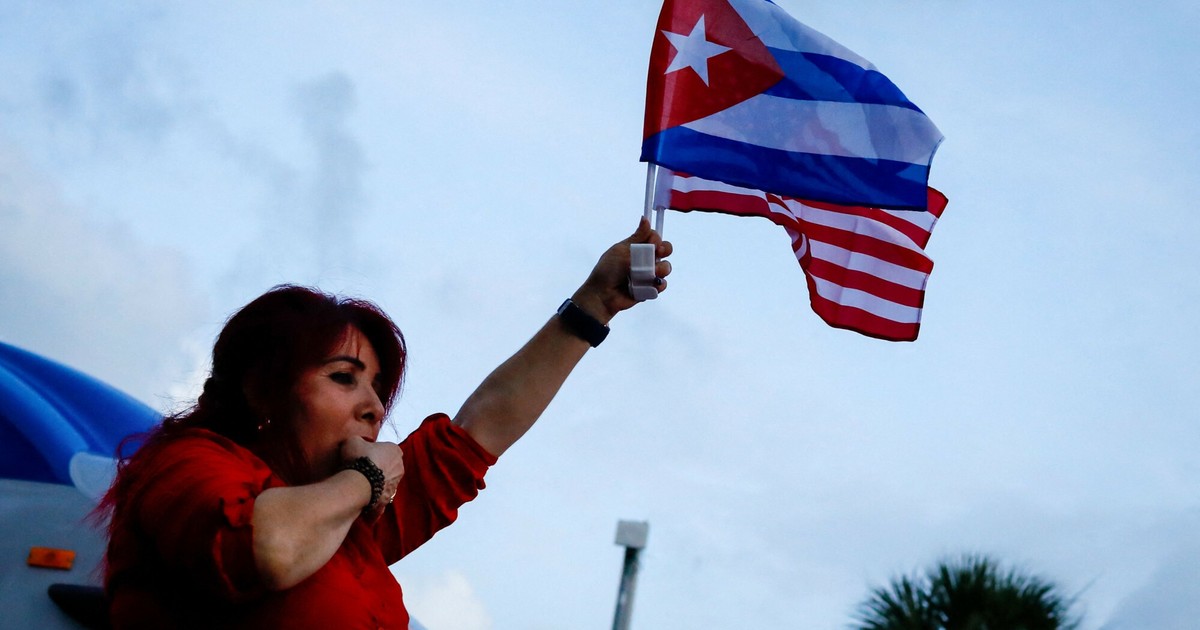
Cuba announced that it would allow citizens living abroad, including Cuban-Americans, to invest and run businesses on the island for the first time in decades. This decision was made in the face of a severe economic crisis, oil shortages and unprecedented talks with the Donald Trump administration, signaling a significant policy shift.
Continued below the video:
After decades of being deprived of many of their rights to leave the country, Cubans living in Miami and elsewhere will be able to invest and run private businesses on the island, Cuba's deputy prime minister said on Monday.
“This is a historic change” — Hugo Cancio, a Miami businessman and owner of Katapulk, an online supermarket that delivers groceries to the island, told the Miami Herald. Cancio has long advocated for the right of Cubans living abroad to participate in the country's economic life.
“This has been my goal for over 20 years: to explain to the Cuban government that the diaspora is Cuba's most important asset, not only because we have knowledge and capital, but because we must be part of the Cuban people and we must regain the rights that we lost when we emigrated.”
|
Adam Ziemienowicz / PAP / photos
Cuba under pressure from Donald Trump
U.S. President Donald Trump recently emphasized that he wants “Cuban Americans cared for” as part of the deal with Cuba and emphasized the role he sees for the Cuban-American community in rebuilding the failing country.
The announcement of the changes by the Cuban regime came after Cuba confirmed for the first time last week that talks with the US were ongoing. On Monday, the New York Times reported that the United States had told the Cubans that President Miguel Díaz-Canel must step down before any progress could be made.
U.S. officials spoke mainly with Raúl Guillermo Rodríguez Castro, the grandson of Raúl Castro — the 94-year-old former president of Cuba and brother of the late revolutionary leader Fidel Castro.
Some analysts and many Cubans believe that Rodríguez Castro is gaining more and more popularity and could even assume the role of leader if the government changes, according to CNN.
Cuba opens its economy. “The door is open”
Under the new rules, Cubans living abroad will be able to invest and acquire shares in private companies on the island for the first time in decades. The new law is also intended to enable emigrants to set up investment banks and other financial institutions.
“Cuba's doors are open to investors from the Cuban community living abroad.” – said on Monday evening Oscar Pérez-Oliva Fraga, Minister of Foreign Trade and grandson of Fidel's brother and Raúl Castro.
“This also applies to investments – not only small ones, but also large ones, especially in infrastructure,” he added.
It is unclear how much new investment may flow into a country where the state is the main economic player. Much will also depend on the detailed regulations supporting the new plan. It is also unclear whether this will help calm Washington, Bloomberg estimates.
While reform could provide much-needed capital, legal uncertainty and U.S. sanctions remain significant obstacles.
Reform could channel diaspora capital into sectors such as tourism, mining and energy infrastructure, potentially modernizing Cuba's economy. However, experts warn that the island's constitution and legal system offer little protection for investors, and without reforms large investments are unlikely.
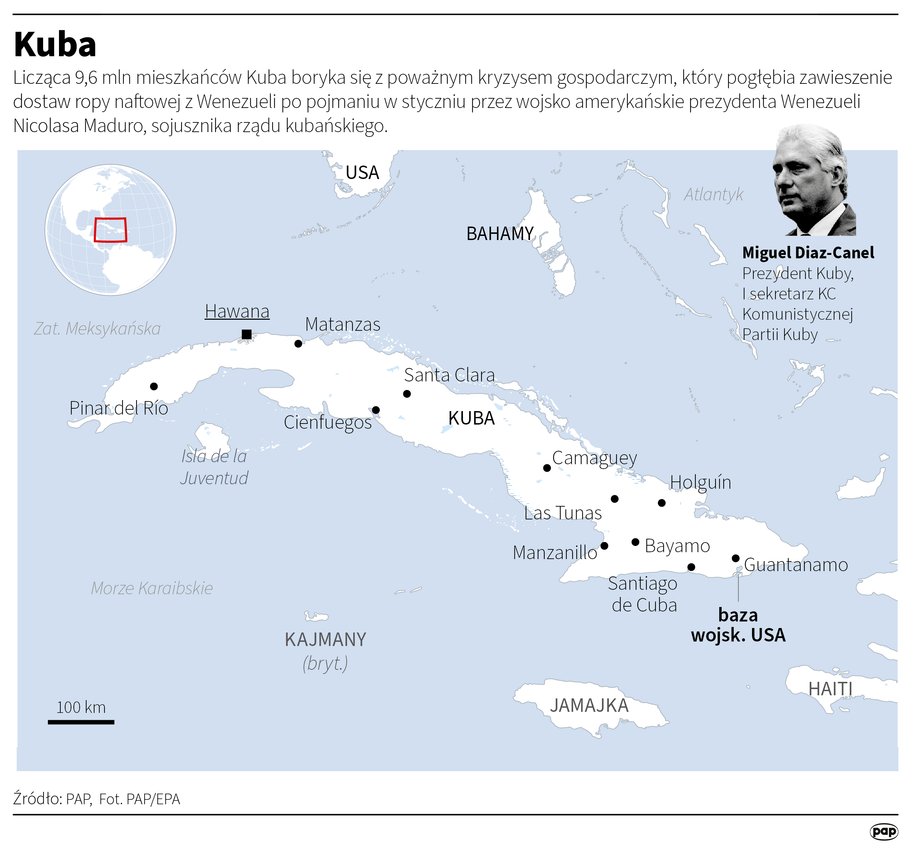
Cuba is sinking into crisis. Donald Trump wants to take over the island
Cuba's economy is in crisis and the country is under intense pressure from Donald Trump's administration. The US president told reporters on Monday that he believes he will soon have the “honor of taking over Cuba.”
He previously talked about a “friendly takeover.”
Blackout in Cuba
Cuba suffered another nationwide power outage on Monday, at least the sixth in a year.
On Tuesday morning, Cuba's energy ministry announced that the grid had been restored in the capital Havana and much of the country.
Cuba's energy infrastructure is in the grip of fuel shortages and aging power plants. The United States has de facto blocked fuel shipments since January, and Havana says Washington's long-standing economic embargo prevents it from adequately maintaining its energy infrastructure.
Source: Bloomberg, CNN, Miami Herald