The conflict in the Middle East is turning oil into the most volatile geopolitical weapon, threatening to strangle vital industrial branches of the world economy. Basically, oil is the main energy resource that sustains, literally and metaphorically, the functioning of today's society. Although massive investments are being made in the energy transition, global dependence on oil remains critical as it is the vital source for transport, industry and agriculture.
The global economy still breathes through oil, but today, that breathing becomes a short, painful sigh. The escalating conflict surrounding Iran has turned the Persian Gulf from a vital trade route into an energy “starvation corridor.”
In the oil market, uncertainty is no longer simply a manageable risk, but has become the new operational reality
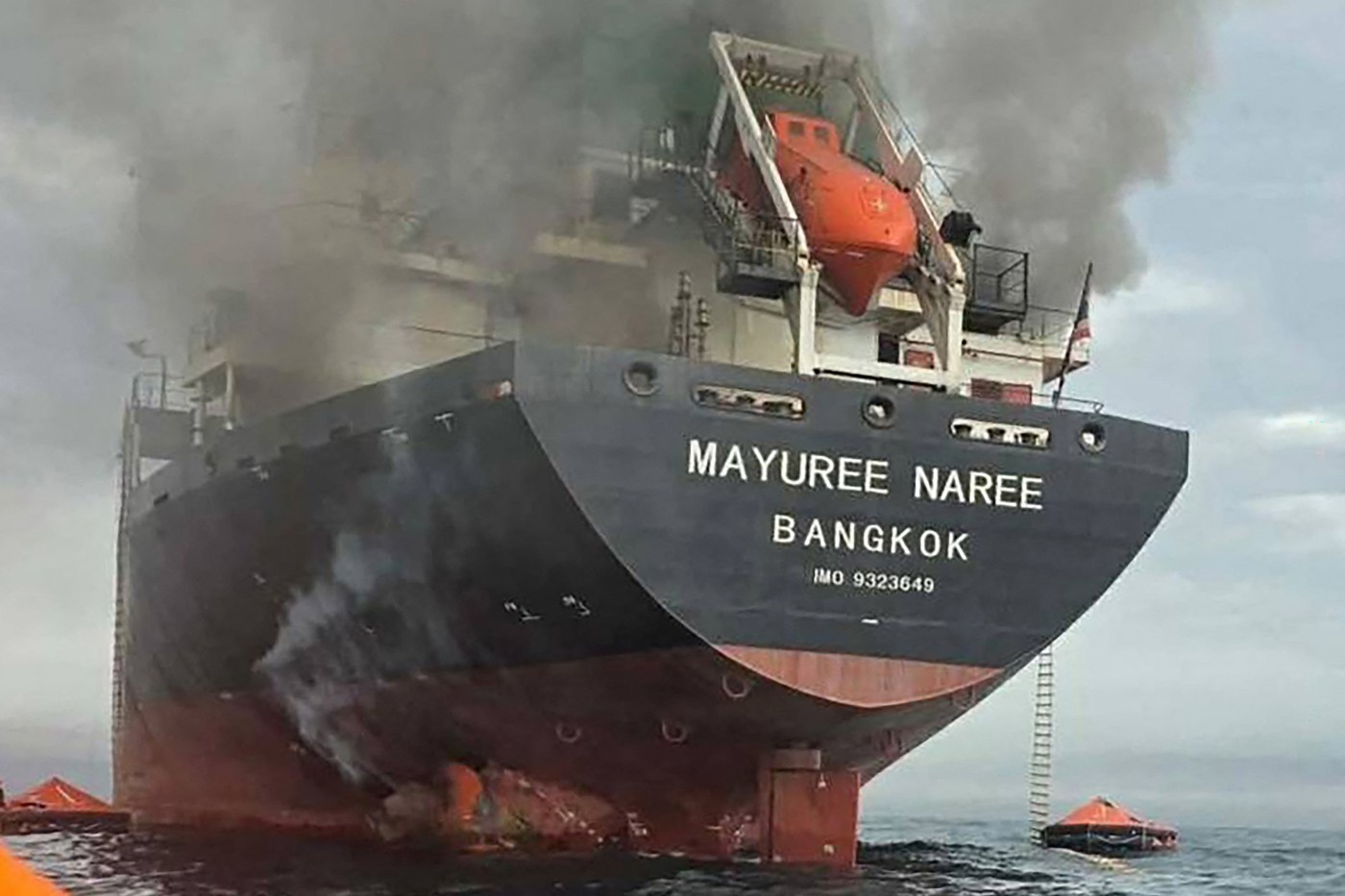
The unofficial blockade of the Strait of Hormuz – the passage through which about 20% of the world's oil and liquefied natural gas passes – functions exactly like a severe drought on the world economy: oil tankers sit at anchor or have even been withdrawn from the conflict zone, refineries empty, and prices explode, acting as a famine that consumes strategic reserves.
In the oil market, uncertainty is no longer simply a manageable risk, but has become the new operational reality and the structural factor redefining regional and global security, and indications that a shortage could follow are turning oil into a luxury resource, while markets watch in horror as a simple line on the map can suffocate the entire planet.
Ten days after the start of the conflict, the International Energy Agency (IEA) decided on a massive coordinated action to release 400 million barrels of oil from member states' strategic reserves – of which the US contributes a significant portion, with a reported release of 172 million barrels from its own reserves to mitigate market volatility. Although historic in proportions, this intervention strikes at the reality of a complex crisis.
First, it can only be considered as a stop-gap measure, the release of reserves being only a stopgap solution that can only balance the market for a few weeks, as stocks cannot cancel the persistent physical loss of production. It is rather a symptomatic treatment that provides a short psychological respite to the markets, but cannot replace the vital flows from the Middle East. In the medium term it is clear that, at least for Europe and Asia, the infrastructure in the Persian Gulf remains irreplaceable, and the strategic reserves could still provide a fragile respite until a diplomatic or military solution is found, provided that no serious damage is caused to the production, storage and transportation capabilities of the area.
Failure to stabilize the area will cause a price shock for a multitude of products within months
Beyond the energy crisis and the crippling of regional shipping hubs and vital trade routes, the effects of the disruption in oil production may be much wider. More than 90% of global transport – by road, air and sea – depends on petroleum products such as petrol, diesel and kerosene. Without oil, global supply chains would grind to a halt. But oil and gas are not only fuel, but also the essential raw material for the production of plastics, chemical fertilizers, medicines, synthetic fibers and lubricants.
The failure to stabilize the area will cause, in a few months, a shock in the prices of a multitude of products, the reduction of production (in extremis, the impossibility of their production) but also a lack of oil and liquefied natural gas which will throw the world economy either into a deep recessioneither in a new one inflationary spiralwithout being able to exclude that both scenarios occur simultaneously.
At the global level, the release of strategic energy reserves by the International Energy Agency produces asymmetric effects because the countries of the world have completely different consumption profiles, infrastructures and energy mixes. While for developed economies a massive influx of oil or gas, along with state interventions to keep prices under control, can quickly stabilize prices at the pump and support industrial production, developing countries that are not part of the mechanism remain exposed to global market volatility, if not victims of shortages. The asymmetry also manifests itself at the logistical level: states with modern import terminals and refineries can immediately process these reserves, turning them into tangible economic benefits, while regions with poor infrastructure face distribution bottlenecks that cancel out the decline in the crude price. In short, a measure intended to bring global stability ends up selectively benefiting actors with large storage and processing capacity, deepening economic gaps between regions.
The crisis in the Middle East has a high potential to destabilize global financial markets
This uncertainty is fueling a climate of risk aversion, causing investors to pull capital out of emerging markets and into safe-haven assets such as gold and the US dollar. The impact on interest and bank rates must also be considered. Before the conflict, central banks (including the ECB) were considering cutting interest rates. But a new inflationary shock could force central banks to keep interest rates high for longer. New loans will also be harder to access and more expensive. Central banks are likely to tighten monetary policy to combat inflation driven by high oil prices, although this carries risks of slowing economic growth.
In a global economy already weakened by large sovereign debts, by the tension generated on the labor market by the increasingly large-scale use of artificial intelligence in the most competitive fields, the new shock creates a “perfect storm” situation.
This combination of factors (supply crunch, high debt, technological transformation) severely limits the ability of governments to intervene through fiscal or monetary measures, making the situation much more difficult to manage than previous crises.
Romania is passing through a delicate economic period, in which geopolitical tensions in the Middle East and internal imbalances overlap, turning the national economy into one of the most sensitive in the region to the current crisis.
Romania imports a significant proportion of consumer goods, with an increased reliance on the food and energy sectors, and will subsequently “import inflation” due to the large trade deficit and dependence on energy and consumer goods from other countries. With Brent crude oil trading above critical levels, threatening to stall the economy, the question is no longer if we will feel the effects, but how strong they will hit Romanians' pockets and the stability of companies.
The Romanian consumer is less a participant in the economy, and more a victim of it
After during the pandemic the population endured all kinds of restrictions and restrictions, post-pandemic, the outbreak of the war in Ukraine came with a sudden increase in fuel and energy prices with the effect of increasing the cost of living. After a year 2025 with tax increases and social aid cuts, ending with inflation close to 10%, the Romanian learned, officially, on February 13, 2026, that the national economy has entered a technical recession. The Romanian consumer thought he had reached the peak of economic distress, but the Middle East oil crisis of 2026 served as a cynical reminder that there is always a deeper valley.
In this landscape, the Romanian consumer is less a participant in the economy, and more a victim of it. The promised “recovery” for 2026 has been swapped for talk of shock mitigation strategies, with discourse oscillating dangerously between artificially calming the population and acknowledging a deep crisis. Although the authorities initially gave assurances that stocks were sufficient, now it is proposed to adopt an emergency ordinance to officially recognize the state of crisis in the crude oil and petroleum products market.
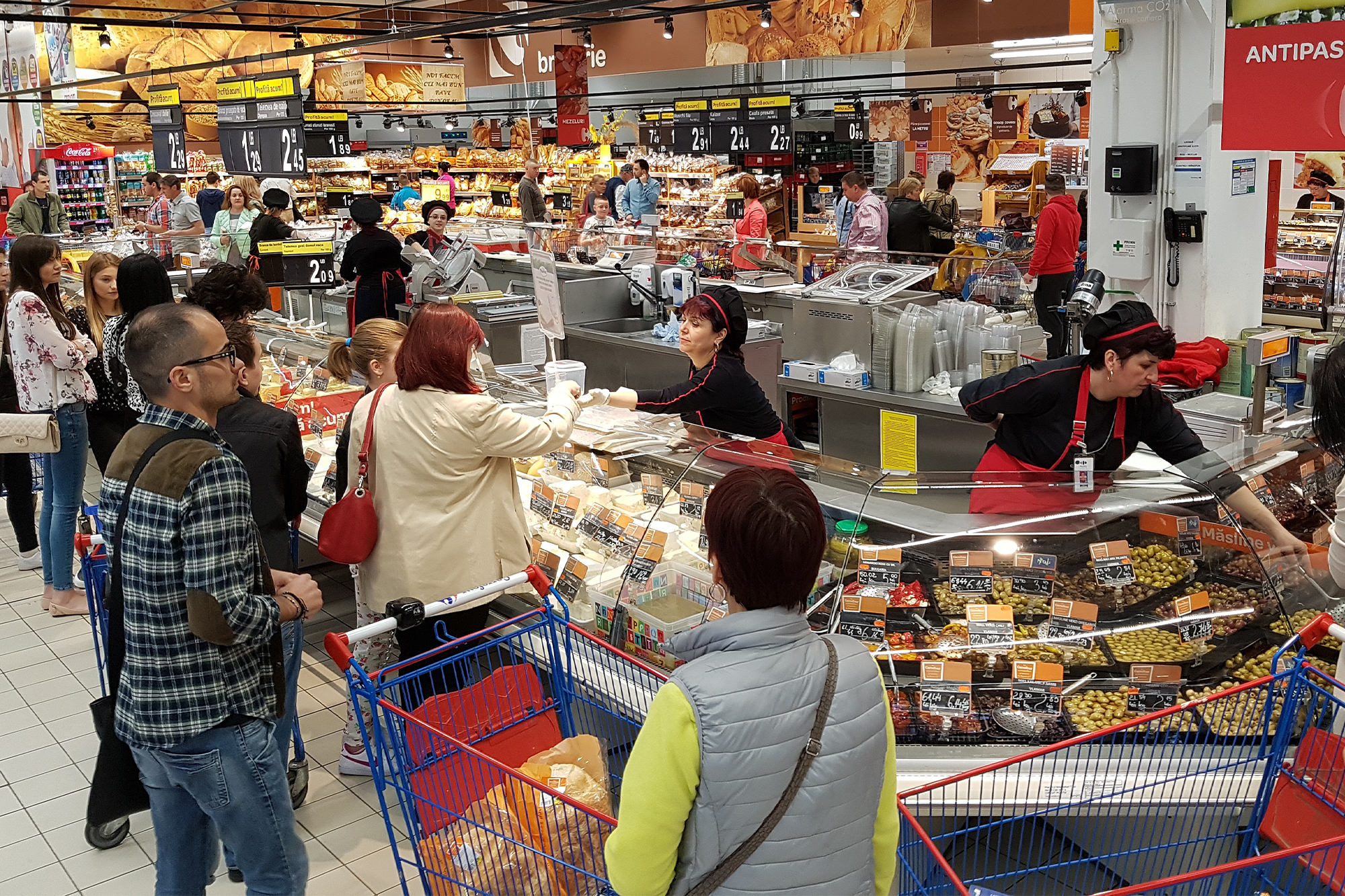
Added to pre-existing inflation, the energy shock and officialization of a critical state not only lowers the purchasing power of the population, but also their confidence, fueling social anxiety. Every day of prolonging the conflict means survival work, where every liter of fuel is the sacrifice of another need, and every trip to the supermarket is a tactical maneuver against bankruptcy. The prevailing sentiment is one of “economic fatalism”.
It is essential to take quick action in the short term, but also a strict price monitoring to energy alongside targeted support measures for vulnerable categories
The fear of unemployment and the inability to secure a decent life have become the main stress factors for the population in Romania. The erosion of purchasing power will be felt by the whole population, so it is essential to take quick action in the short term, but also an integrated approach that combines strict price monitoring to energy with the implementation of some targeted support measures for vulnerable categories, thus ensuring social stability in the face of external economic fluctuations.
Ironically, the effort to break the chains of paternalism has failed in a new form of captivity: in order to limit the financial effects of the conflict in the East, the citizen is forced to demand the extension of the safety net – often transformed into populism – thus sacrificing his exit from the vicious circle of subordination to the state.
The conflict in Iran is no longer an isolated regional event, but a “black swan” that threatens to shatter the illusion of global economic resilience. Strategic decisions are undermined by unpredictable actions, turning the business environment and everyday life into an area where “ordinary” has disappeared. The stark reality of the current situation is that if stability in the Middle East collapses, the price of a barrel explodes, imposing a 'war tax' on transport, industry and consumers globally.
Because it is an exhaustible resource (estimated to reach the current level of consumption in about half a century), oil today dominates the chessboard of geopolitics, being used as a “weapon” in conflicts and international negotiations. The cynical truth of the 2026 Iran crisis is that while the global economy is technically less “energy intensive” than it was in the 1970s, it remains highly susceptible to oil hunger games. The “collateral damage” is paid by global consumers at the pump and in stores, and by peoples caught in conflict, on the streets, in schools, in airports.
N.Red: Monica's horse is a lawyer specialized in Consumer Law, with more than a decade of experience in this field. It specializes in the protection of the rights of consumers of financial services, and its areas of expertise include banking contracts, insurance contracts, regulation of the rights of consumers of financial services in domestic and European Union law. He also holds a BA in Economics. She is the founder and president of the Consumers United Association and a member of Securities and Markets Stakeholder Group (SMSG) at the EU Financial Markets Regulatory and Supervisory Authority (ESMA) and Occupational Pensions Stakeholder Group (OPSG) at the European Insurance and Occupational Pensions Authority (EIOPA), representing consumers. He is an individual member of the international NGO Finance Watch.