Iran and the US have been in direct contact in recent days. The senior official who sent messages to Trump's emissary

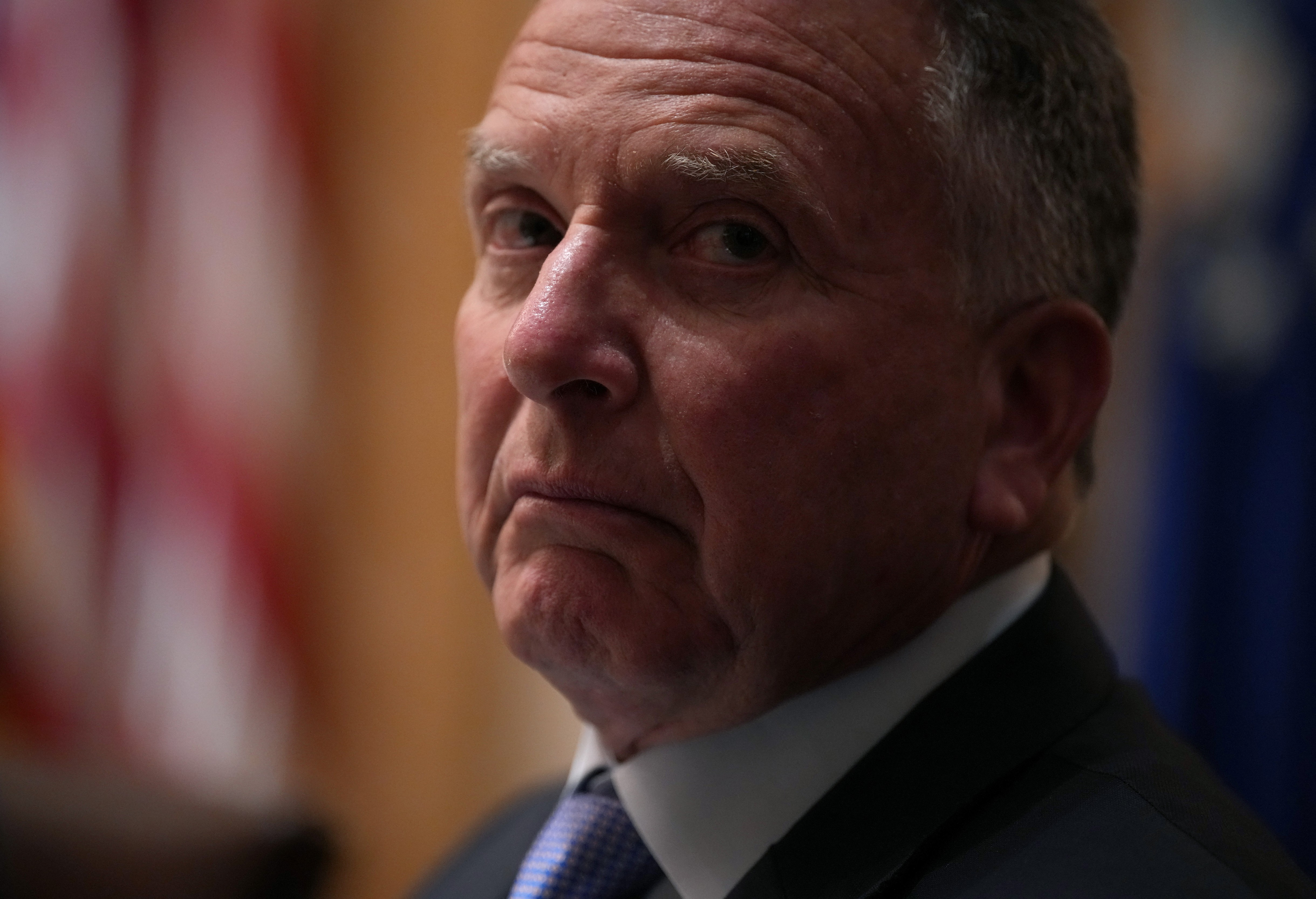
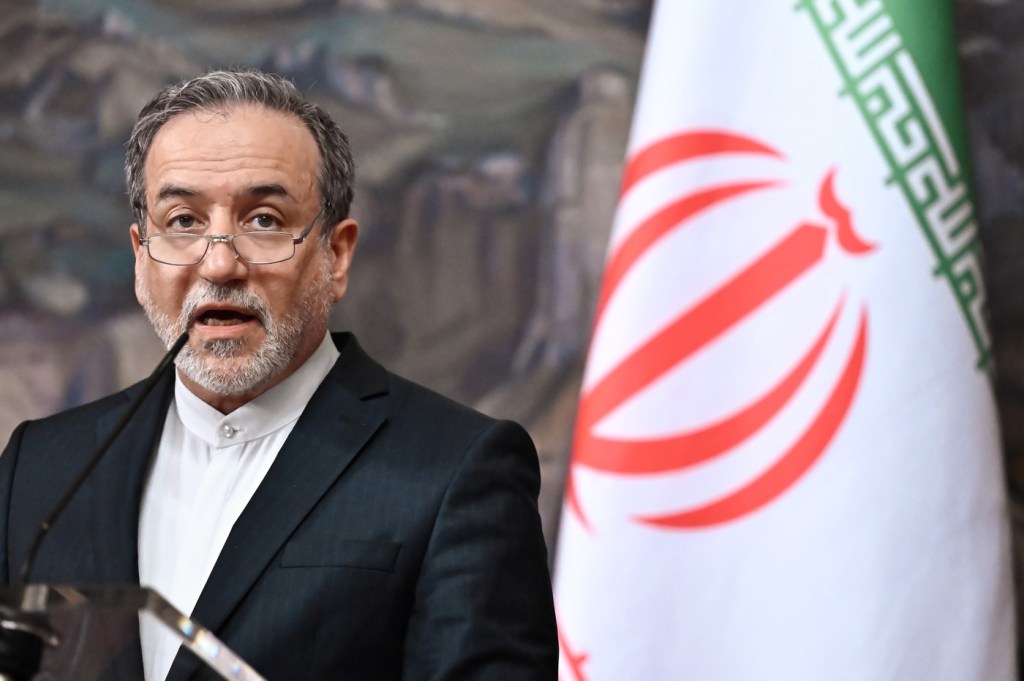
A direct channel of communication between the emissary of the US president, Steve Witkoff, and the head of Iranian diplomacy, Abbas Araghchi, has been reactivated in recent days, the American publication Axios revealed on Monday, citing a US official and a source familiar with the situation, according to Reuters.
Axios notes that it is unclear how substantial the messages exchanged between Araghchi and Witkoff were, adding that it was the first known direct communication between the two sides since the United States and Israel launched war on Iran more than two weeks ago.
Sources cited say Araghchi texted Witkoff.
Drop Site News reported earlier Monday that Witkoff sent messages to Araghchi. Drop Site News quoted Iranian officials as saying that Iran's foreign minister was ignoring messages from the White House emissary.
Behind the scenes details
The US official and the well-informed source cited by Axios said Araghchi sent Witkoff text messages focused on ending the war.
The U.S. official claimed that it was Araghchi who tried to initiate a dialogue, but clarified to Axios that the U.S. is “not having discussions” with Iran at this time.
Neither source provided details on the number of messages exchanged or their content.
The Iranians are “talking to our people” and “want to make a deal,” Trump claims
President Donald Trump said Monday that Iran had communicated with the U.S., but that it was unclear whether the Iranian officials involved had approval to strike a deal.
“We don't know who their leader is. (…) They (the Iranians, no) want to make a deal. They're talking to our people … there are people who want to negotiate, but we have no idea who they are,” Trump told reporters at a White House event.
Despite his skepticism that Tehran is ready to strike a deal, Trump said he was not opposed to talks with the Iranians “because sometimes good things come out of it.”
The US president pointed out that it is not clear who makes the decisions in Iran because many top officials have died. He also noted that Iran's new Supreme Leader, Mojtaba Khamenei, has not been seen so far and his condition is unknown.
“We don't know … if he's dead or not. I will say that nobody has seen him, which is unusual,” Trump said. “Many people say that he is badly disfigured. They say that he lost his leg … and that he was very badly injured. Others say that he is dead,” the leader of the White House said on Monday.
Trump, “always open to a deal”
A senior US official rejected Iran's demand for “reparations” as part of a peace deal, but said Trump was open to a deal that would allow Tehran to “integrate with the rest of the world and make money from Iranian oil.”
“The president is always open to a deal. But he's not negotiating from a position of weakness. He's not giving up the reasons why this conflict started,” the US official said, according to Axios.
The public message of Tehran officials
Iranian officials have said publicly in recent days that they are not negotiating a ceasefire with the Trump administration.
Officials say Iran is not interested in a temporary truce that would allow the US and Israel to regroup and strike again, but wants guarantees that any kind of peace deal reached will be permanent.
How Americans see Araghchi
Araghchi was not considered a key decision-maker in Iran before the war, and U.S. officials do not believe he has decision-making authority today.
But Iran's foreign minister appears to be coordinating with the secretary of Iran's Supreme National Security Council, Ali Larijani, who is Iran's de facto civilian leader after the assassination of former supreme leader Ayatollah Ali Khamenei, sources say.
American officials, however, consider Araghchi the interlocutor of reference because they have a pre-existing relationship with him and the head of Iranian diplomacy is still alive.