He recalled the statement by Lithuanian Foreign Minister Kestutis Budris that European countries should not succumb to the temptation and agree to cheaper Russian oil, and that he would be ashamed to live in a state that, for the sake of cheap oil, acts in favor of the aggressor country Russia.
“The Baltic countries have long been “playing by Zelensky’s notes,” but Hungary will not be blackmailed by the Ukrainian president. No one can tell us where we should buy oil and where not, and no one can force us to buy oil at a higher price than before,” Szijjártó wrote.
He stressed that in many European countries, families pay “three or four times more for utilities than Hungarian households” and added that Hungary “will defend lower energy costs and defend its sovereignty.”
Lithuanian FM @BudrysKestutis said toy he would be ashamed to live in the country that they buy cheap Russian oil, claiming it means giving up autonomy.
The Baltic countries have a long game from @ZelenskyyUa 's notes, but Hungary fails in blackmail of Russian…
Published in Péter Szijjártó (@FM_Szijjarto) March 13, 2026
Context
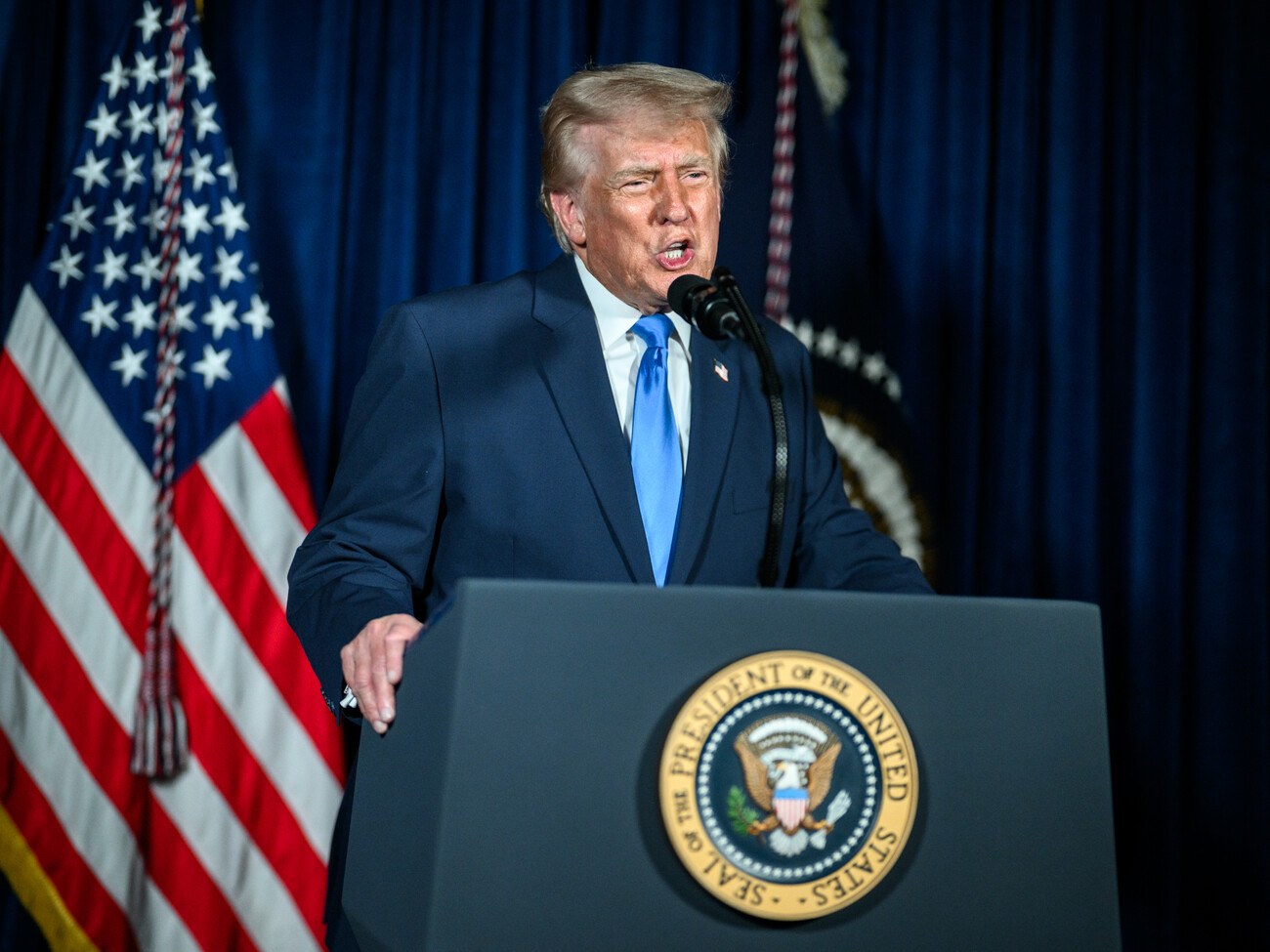
In September 2025, White House President Donald Trump held a conversation with EU leaders and the President of Ukraine, accusing EU countries of buying Russian oil to finance the war. In response, they clarified that oil from Russia is imported only by Hungary and Slovakia.
On September 23, Trump said he could convince Hungarian Prime Minister Viktor Orban to stop buying Russian oil. Orban responded that Hungary, like the United States, is sovereign and makes its own decisions.
On September 25, NATO Secretary General Mark Rutte supported Trump’s idea to stop purchasing energy from Russia.
On October 8, EU ambassadors at a closed meeting agreed on a plan to phase out Russian gas and oil until 2028, Reuters wrote, citing three European diplomats. And on October 20, the EU Council by a majority vote supported the RePowerEU mechanism, which provides for a complete refusal of the European Union to use Russian fossil fuels. Hungary and Slovakia were against.
On January 26, 2026, the Council of the European Union made a final decision to gradually phase out gas imports from the aggressor country Russia, starting in 2027.