How many ships have crossed the Strait of Hormuz since the beginning of the war. Most are from the “ghost fleet”

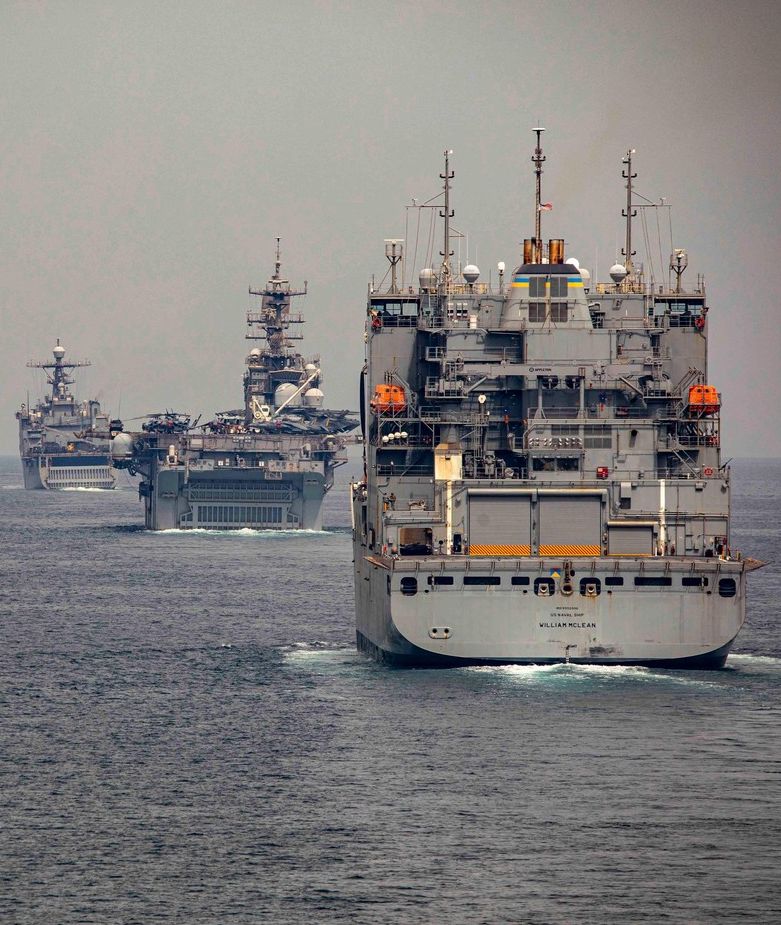
Only 77 ships have transited the Strait of Hormuz since the U.S. and Israel began war against Iran on Feb. 28, most of them ships from so-called “ghost fleets,” meaning ships used to evade U.S. and EU sanctions on countries such as Iran and Russia, according to information provided Friday by maritime data company Lloyd's List Intelligence.
Iran states that it has not closed the strait, but it has warned that it will attack any ship there that has ties to the US, Israel and their allies, notes Agerpres. Since March 1, 20 commercial ships, including 9 oil tankers, have been attacked or reported incidents in the region, according to the UK Maritime Safety Agency UKMTO. The International Maritime Organization (IMO) confirms 16 incidents, 8 of which involved oil tankers.
According to Lloyd's List Intelligence, between March 1 and 11, there were 77 vessel passages through the Strait of Hormuz, more than half of which were “ghost fleets”.
This is how, for example, the ships used by Russia or Iran to circumvent the sanctions imposed against them by the US and the EU are designated, which, through such punitive measures, try to prevent not only trade between them and the countries against which they impose sanctions, but also trade between the latter and third countries that they threaten with secondary sanctions, such as customs duties or the ban on access to the financial and insurance systems of the EU or the US. For example, the United States forced India, one such third country, to reduce its purchases of Russian oil after threatening it with secondary tariffs.
In the similar period last year, between March 1 and 11, 1,229 ship passages were recorded through the Strait of Hormuz. Hundreds of ships, especially oil and methane tankers (carrying liquefied natural gas – LNG) are currently anchored in the Persian Gulf waiting.
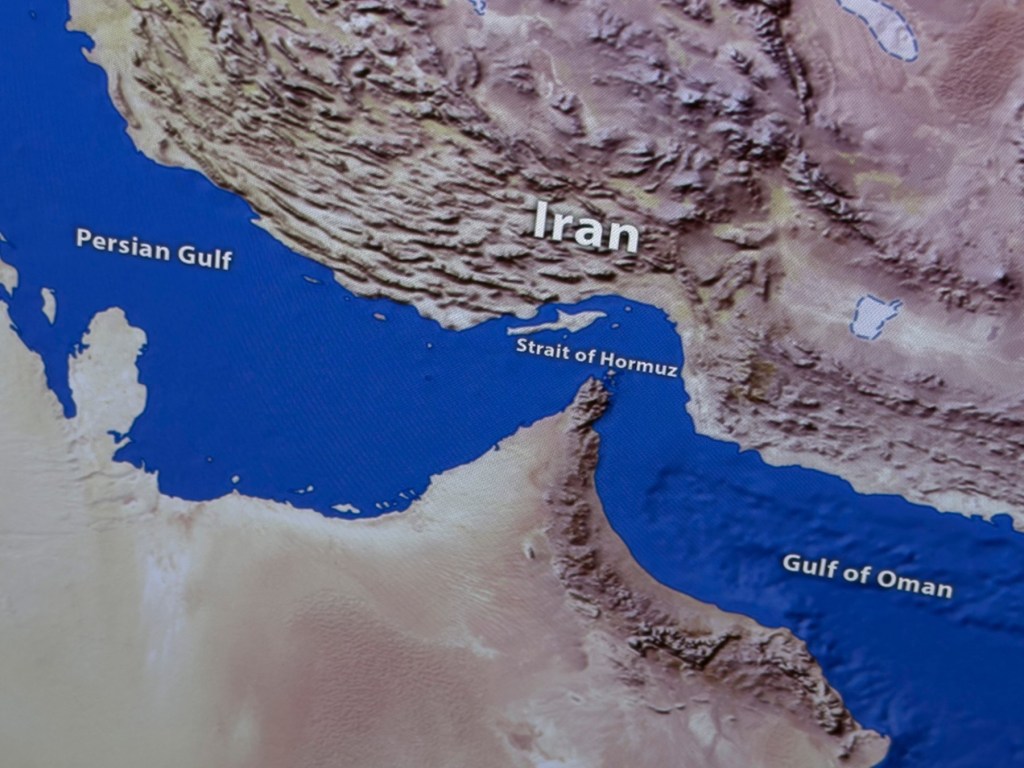
The Strait of Hormuz is “tactically a complex environment” to secure, US Joint Chiefs of Staff General Dan Caine explained at a press conference on Friday, admitting that, at least in the short term, Iranian attacks against ships using this strategic waterway are difficult to prevent.
As for the idea of escorting merchant ships by US military vessels, the US general estimated that further military action against Iran is needed before this option can be considered.