Crisis averted in the Western Balkans. The law that further poisoned relations between Serbia and Kosovo

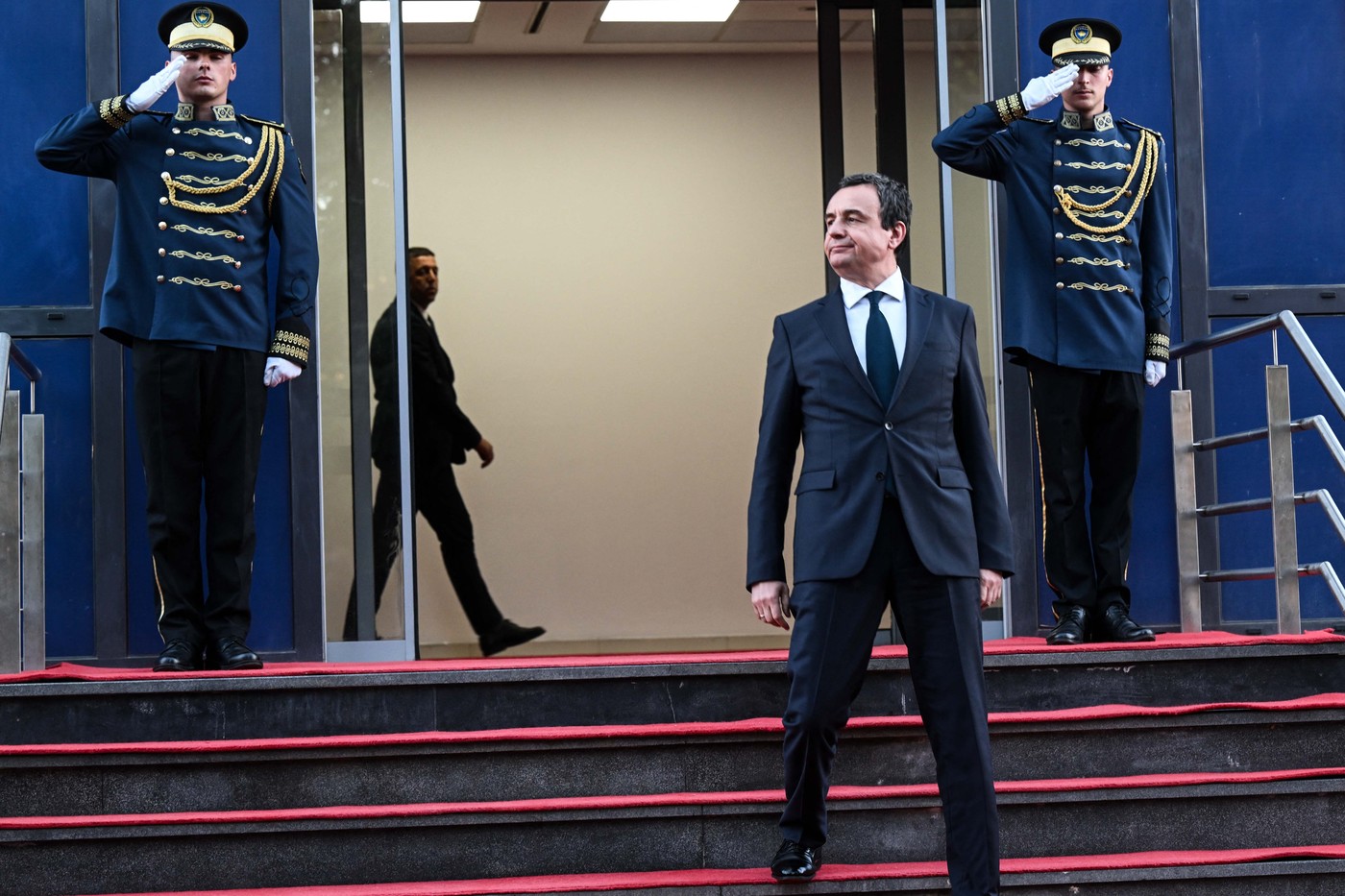
Pressured by the European Union, the authorities in Kosovo indicated on Saturday that they will postpone the entry into force of a law on foreigners by one year, a gesture welcomed by Belgrade, which considered this law an attack against the local Serbian population, reports AFP, taken over by Agerpres.
The decision announced by Kosovar Prime Minister Albin Kurti was also welcomed in Brussels and Albania.
This law, which was supposed to take effect on Monday, targeted several thousand Serbs who live and work in Kosovo without possessing Kosovar identity documents. It is, in particular, about the employees of a parallel system of education and health financed by Belgrade.
Serbia has never recognized the independence proclaimed in 2008 by its former province of Kosovo, where the majority of the population is of Albanian origin.
Intervention of the European Union
Following a meeting in Pristina with Peter Sorensen, the European Union's special envoy in charge of the dialogue between Kosovo and Serbia, Prime Minister Kurti assured that his government will issue to Serbian employees and students “a temporary residence permit for a period of 12 months with the possibility of extension”.
Recalling “intense discussions” with Pristina in recent weeks, Sorensen explained that this decision was taken so as not to hinder the provision of health and education services in Serb-majority areas, especially in northern Kosovo.
The head of European diplomacy Kaja Kallas welcomed “an important progress in the interest of the entire population of Kosovo”. “These developments give new impetus to the dialogue between Belgrade and Pristina, and I am ready to organize a high-level meeting soon,” she wrote on X.
Serbian President Aleksandar Vucic said the decision was “a relief” for Kosovo Serbs. “I am grateful to the Europeans who wanted to avoid an even worse catastrophe and any conflict at this time,” he told the media.
Satisfaction in Belgrade
A Serbian government official in charge of the Kosovo issue, Petar Petkovic, expressed his satisfaction with “a solution that will allow the proper functioning of the Serbian health and education institutions in Kosovo.”
“We avoided the worst possible scenario, that of closing (…) Serbian institutions in Kosovo, because that was the main objective,” he told a press conference in Belgrade, adding that the implementation of the law would have affected around 20,000 people.
From Tirana, Albanian Prime Minister Edi Rama invited the EU “to show the same courage” so that Pristina can move forward on the path to joining the European bloc.
After Kosovo's independence, Belgrade continued to fund a large number of institutions and services for the Serbian minority.
In power from 2021, Albin Kurti initiated an extensive dismantling of these institutions, especially from the beginning of 2024, closing post offices and banking agencies, the tax administration or even “parallel” municipalities and banning the use of the Serbian dinar, which was replaced by the euro.
The health and education sectors financed by Belgrade are the last ones still functioning in Kosovo.