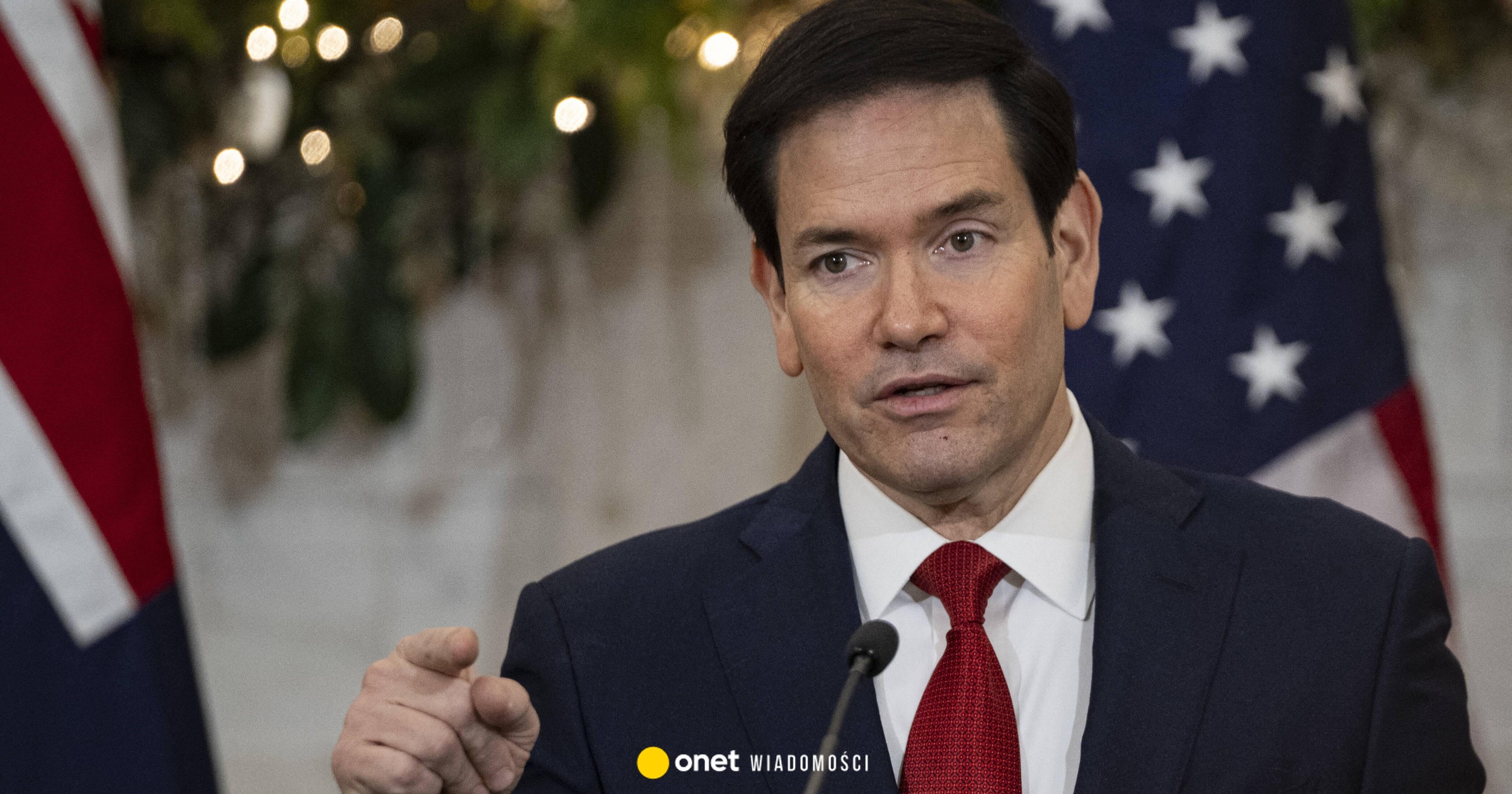
The USA and Russia have become the architects of the world [OPINIA]

Daniele Stracquadanio, author of The Moscow Times, is a PhD student at the University of Trento. Explores frozen conflicts and the post-Soviet space.
The Trump administration has triggered a second wave of interventionism shockwave around the world. For Moscow, which is observing the situation from the side, this is the long-awaited confirmation that the era of multilateralism has come to an end and has been replaced by uncompromising policy of great powers.
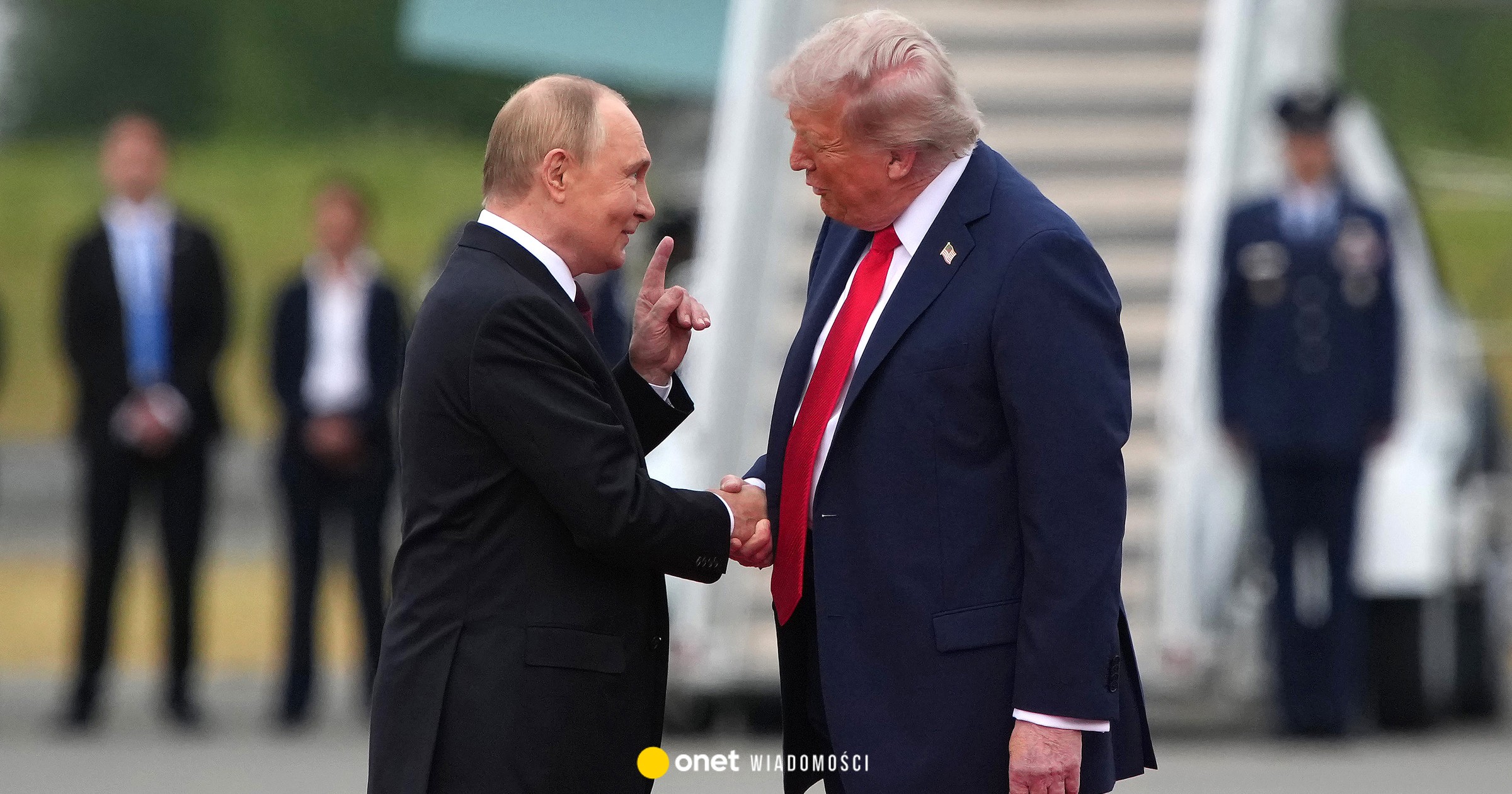
Meanwhile, the Russian Foreign Ministry now describes the attack on Iran as “an act of planned and unjustified aggression against a sovereign member of the UN.” President Vladimir Putin, however, refrained from direct condemnation. Instead, by calling for de-escalation and offering Moscow as a mediator, Putin is quietly confirming the new status quo: a world where great powers no longer ask for consent when it comes to their strategic interests.
Although double standards are common in international relations, this change seems to go deeper than simple foreign policy hypocrisy.
No more pretences
This tendency to seek some form of consensus continued in 2011, when the Security Council issued a partial authorization to intervene in Libya. In 2014, the military campaign in Syria was justified by the inability to suppress terrorist factions during the civil war, and these actions were supported by the 90-member global coalition to defeat ISIS.
All pretenses have now been abandoned. The United States unilaterally conducts operations to overthrow foreign governments based on overall national security needs, completely bypassing the United Nations or any other form of multilateral consensus and mirroring the logic of Russia's wars in Georgia and Ukraine.
In her speech at the 2026 EU Ambassadors' Conference, European Commission President Ursula von der Leyen argued that the EU cannot be the guardian of the “old world order” and must adapt to a new era of realism. During the same event, the High Representative of the Union for Foreign Affairs and Security Policy, Kaja Kallas, lamented “the weakening of existing international norms, rules and institutions that we have built over 80 years.”
Unfortunately, by focusing solely on the chaos caused by Iran and Russia and remaining silent on the US-Israeli Operation Epic Fury, it highlighted the double standards that make international law increasingly a fiction.
Domination of superpowers
Growing similarities in the behavior of Washington and Moscow signal the ultimate a break with the provisional rules-based orderwhich was created after World War II. By normalizing unilateral, preventive military action as a standard foreign policy instrument, the United States is moving the world toward a new system in which the invasion of Ukraine is no longer considered a grave violation of international law, but rather a legitimate act of state policy. In this new reality, great powers claim an inherent right to their own spheres of influence – stretching from the near abroad to distant strategic regions, depending on their capabilities.
While the concept of limited sovereignty is reminiscent of the Brezhnev Doctrine of the Cold War and U.S. covert operations to overthrow regimes in South America, today's situation is arguably more volatile. During the Cold War, the world operated within the rigid predictability of two ideological blocs and a common (sometimes cynical) understanding of the rules of the game. These boundaries have now dissolved into fluid power blocs.
Rules are being rewritten in real time, violations are more egregious, and even the hierarchy of the major powers at the top of the system has become dangerously blurred.
In this situation, the United States and Russia seem less and more ideological rivals architects of the worldin which the rule of law plays no role in limiting the rule of force.