Pollution of the Dniester River in the Republic of Moldova, after a Russian attack on Ukraine. Chisinau calls for the activation of the EU Civil Protection Mechanism

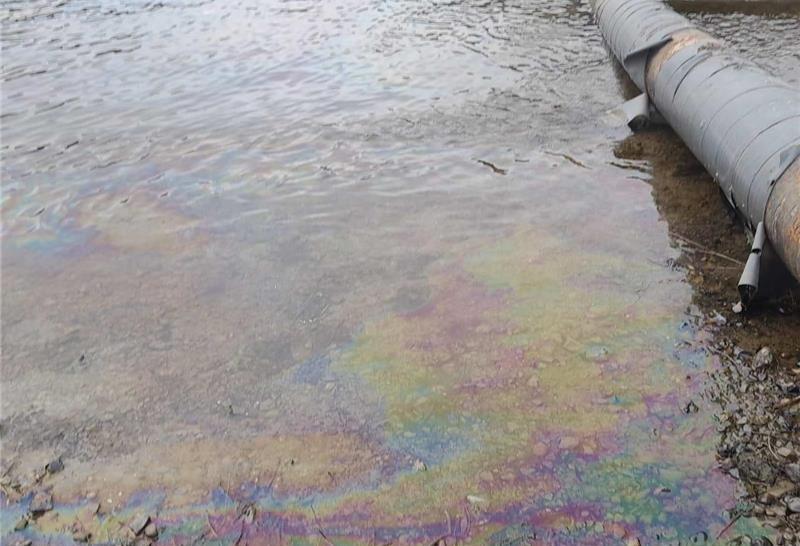
Oil pollution was discovered in the Dniester River after a Russian missile and drone attack on energy infrastructure in Ukraine on March 7. Ukrainian authorities have confirmed the link between the bombings and the leakage of technical oils into the river, and a yellow alert code was established in the north of the Republic of Moldova.
- The Prime Minister of the Republic of Moldova, Alexandru Munteanu, requested the support of the European Union for the management of the situation.
The Ministry of Economy of Ukraine says that, following the strikes on a hydropower plant on the Dniester, technical installations were damaged, which caused the spilling of some petroleum products into the water. The laboratory analyzes carried out in Ukraine indicated the exceeding of approximately 2.5 times the allowed concentration of petroleum products in the area of Nahoreni village.
The authorities in Kiev described the incident as an “ecological aggression” and announced that they are intervening to limit pollution, including by installing protective barriers and using sorbents to collect oil substances.
In the Republic of Moldova, the pollution carried by the river current led the authorities to raise the alert level. The Minister of the Environment from Chisinau, Gheorghe Hajder, announced that, based on the laboratory data indicating that the permitted limits have been exceeded in the Naslavcea area, a yellow code was established for the localities in the region.
“If the situation requires it, we are prepared to temporarily stop the water supply for some localities in the north of the Republic of Moldova, in order to prevent any danger for the citizens,” declared Hajder.
According to him, Ukrainian teams are already intervening on the banks of the Dniester from his side, and specialists from Romania are in the field to install additional filters. In the Republic of Moldova, water quality is constantly monitored, and samples are taken from the field every six hours with the help of a mobile laboratory.
At the same time, Prime Minister Alexandru Munteanu announced that the Government requested the activation of the Civil Protection Mechanism of the European Union in order to obtain quick support in managing the situation.
“Through this mechanism, we request the mobilization of teams of specialists and the necessary equipment for the capture, retention and collection of oil impurities in water, as well as mobile water quality testing stations,” wrote Munteanu.
According to the prime minister from Chisinau, the support would strengthen the intervention capacities of the institutions involved in managing the situation – the Ministry of the Environment, the Environment Agency, “Moldova Waters”, the General Inspectorate for Emergency Situations and the National Agency for Public Health. In parallel, the Ministry of Defense of the Republic of Moldova was requested to send soldiers and equipment, and units of the National Army have already started interventions in the field.