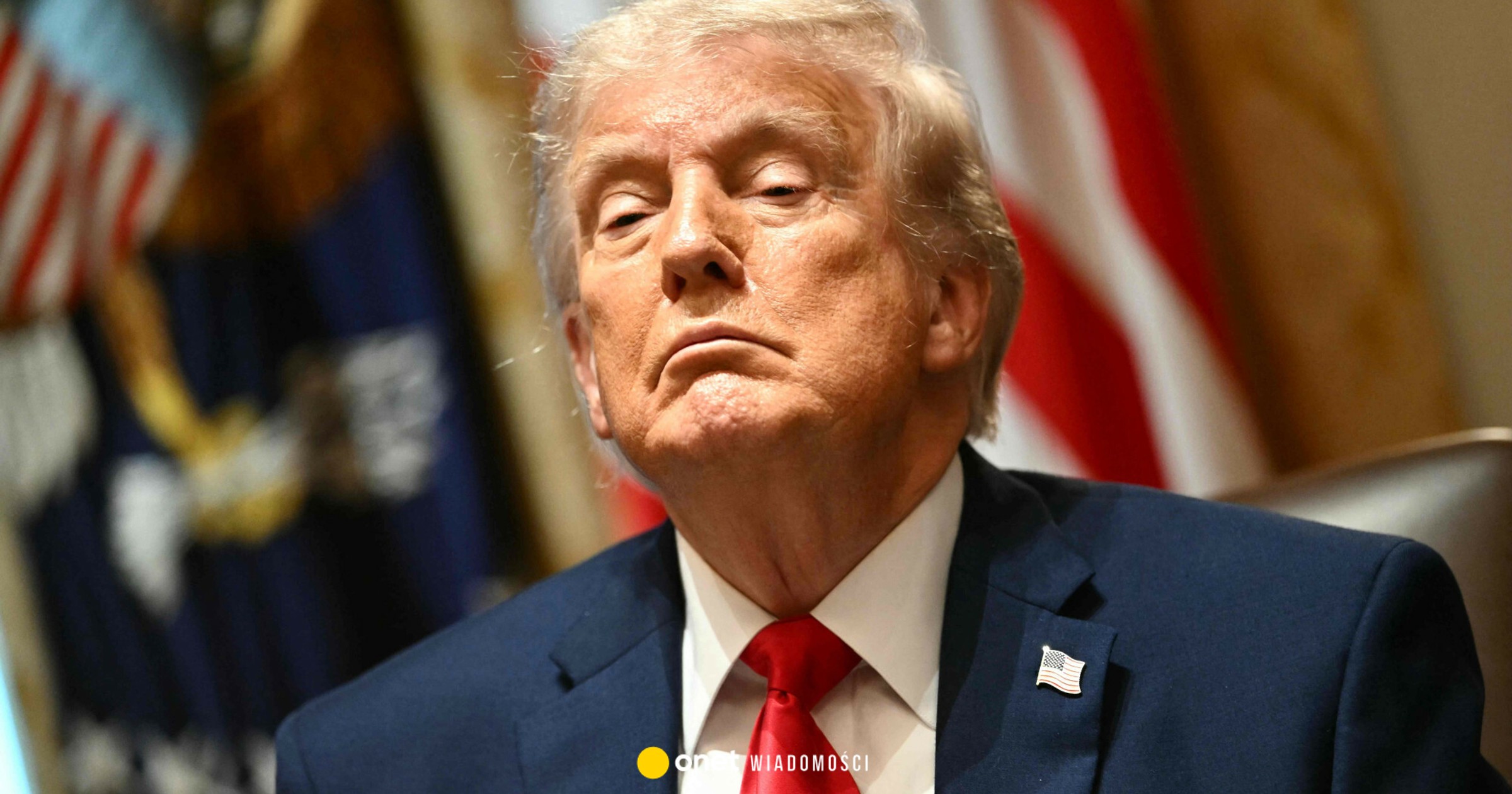
A NATO country neighboring Russia clarifies the information regarding the “introduction of a nuclear weapon”, interpreted by the Kremlin as a “threat”

Finland will not authorize the presence of nuclear weapons on its territory in peacetime, the president of the Nordic country, Alexander Stubb, said on Friday, March 13, after the government in Helsinki had previously announced that it wanted to change the legislation to allow, “in the future”, just this, reports AFP.
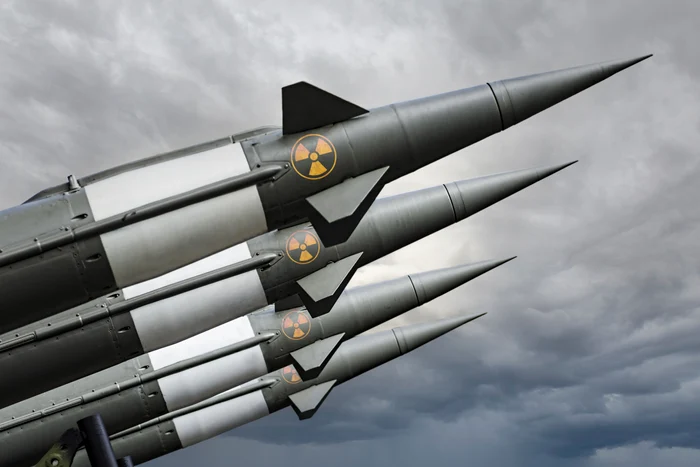
The nuclear weapons project has sparked controversy, including in Finland. PHOTO Shutterstock
In early March, Finnish Defense Minister Antti Hakkanen announced that the government was considering amending its legislation to allow, “in the future, the introduction, transport, delivery or possession of a nuclear weapon in Finland”, if this “would be related to the country's military defence”, reports the cited source, according to Agerpres.
Russia immediately reacted, claiming that the northern country was beginning to “threats” Russia.
“Finland does not need peacetime nuclear weapons”
The Helsinki government's announcement of this reform project has sparked controversy in Finland due to its lack of clarity.
“Finland does not need peacetime nuclear weapons”clarified the president Alexander Stubb after a meeting with the leaders of the parties in the parliament.
In a press conference, the head of state emphasized that “no one proposed that Finland bring nuclear weapons to its territory or ensure their transit during peacetime.
“And that is the fundamental principle to which we will certainly remain committed. I do not share the view that this has in any way sowed confusion in the international debate.”the president
For the Finnish president, the reform presented by the government aims to align with NATO's deterrence policy.
“It is about nuclear deterrence. NATO has three means of deterrence: the first is conventional forces, the second is missiles and the third is nuclear weapons,” he argued.
“It's all about deterrence. A deterrence designed so that it never needs to be used.” Stubb added.
We remind you that Finland renounced its decades-old military non-alignment policy when it joined NATO in April 2023.