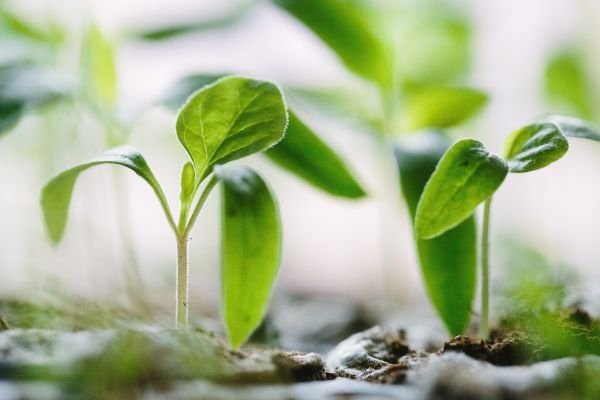
In the spring, summer residents begin the active season of sowing seeds for seedlings. However, sometimes even with good care, seedlings appear slowly or do not appear at all. Gardeners and plant growing experts name several common reasons why seeds may not germinate well.
Improper seed preparation
Before sowing, it is recommended to sort through the seeds and remove damaged specimens. Some gardeners also carry out disinfection, for example, with a weak solution of potassium permanganate. Soaking helps speed up germination, but experts advise keeping the seeds in a humid environment for no longer than a day, so as not to damage future sprouts.

Unsuitable soil
For seedlings, light and loose soil is important, which allows air and moisture to pass through well. Many gardeners use ready-made soil mixes for vegetable crops or add perlite and vermiculite to the soil to improve soil structure.
Errors with sowing dates
Sowing too early can lead to stretching of seedlings, and sowing too late can lead to stunted plant development. When choosing a sowing date, the period of seed germination and the age of seedlings before planting in a greenhouse or open ground are usually taken into account.
Incorrect planting depth
The seeds should not be too deep in the soil. For most vegetable crops, the planting depth is about 1–2 centimeters. If you sow too deeply, the sprouts may not have enough strength to break through to the surface.
Temperature violation
For the germination of seeds of heat-loving crops, such as peppers and eggplants, a temperature of about +25…+28 °C is required. After emergence, the temperature is usually reduced to +16…+18 °C so that the seedlings do not stretch.
Lack of light
After sprouts appear, plants need good lighting. When there is a lack of sunlight, gardeners often use phytolamps and provide additional illumination to the seedlings for 12–14 hours a day.
Errors in watering
Overmoistening of the soil can lead to the development of fungal diseases, and lack of moisture can lead to slower growth. The soil should remain moderately moist, without stagnant water.
What to do if the seeds do not germinate
If enough time has passed after sowing and the seedlings have not appeared, experts advise carefully checking the condition of the seeds. To do this, you can carefully dig up one seed in the soil. If it is swollen, but the sprout has not yet appeared, it may simply need more time to germinate. If the seed has rotted or collapsed, sowing will have to be repeated, having previously eliminated possible errors in soil preparation, watering or temperature conditions.
According to experts, following these simple rules helps to get healthy shoots and grow strong seedlings by the beginning of the summer season.