Users of Meta's AI smart glasses in Europe may unknowingly share intimate videos and sensitive banking information. Workers in Kenya who describe material for AI told reporters they saw lnaked, using the toilet, engaging in sexual activity or viewing pornographyand also credit card numbers and other sensitive information. In one case, glasses left in a bedroom recorded a woman, apparently the owner's wife, undressing. As one employee said: “We see everything from living rooms to naked bodies.”
Meta told the BBC that subcontractors' employees may sometimes view content, including videos and images, captured by its AI smart glasses to improve user experience.
The company, of course, claims that it takes the protection of people's data very seriously and is constantly improving its activities in this area. Ray-Ban Meta glasses help you use artificial intelligence, hands-free, to answer questions about the world around you.
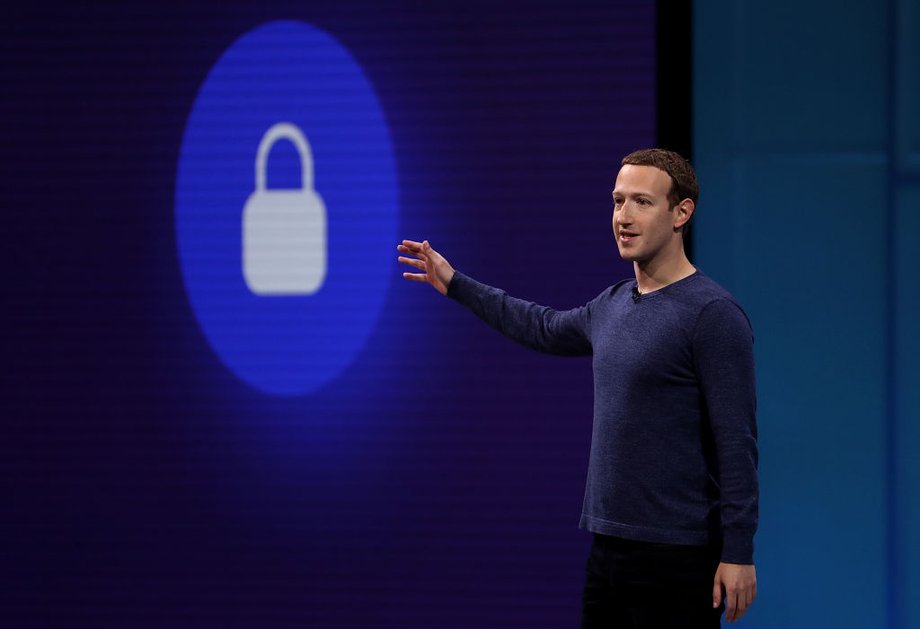
– People want to have tools that allow them to communicate in new ways, and they need to be enabled to do so by actively supporting their privacy, says Mark Zuckerberg
|
Justin Sullivan/Getty Images
“When people share content with Meta AI, like other companies, we sometimes use contractors to review this data in order to improve people's experience with glasses, as stated in our Privacy Policy” – Meta told the BBC.
“These the data is filtered firstto protect people's privacy.”
According to Meta, the filtering could include blurring faces in images — but sources who spoke to the journalists said that sometimes the filtering failed and people's faces could be visible.
Meta's terms of use and “privacy policy”.
Users must activate recording manually or via voice command, but may not realize that their videos and images can later be viewed by people – as described in Meta's privacy policy and terms of service.
Svenska Dagbladet reporters said they had to go through various hoops to see Meta's privacy policy regarding its “wearable products”. This policy states that sensitive data may be viewed by automated systems or by humans.
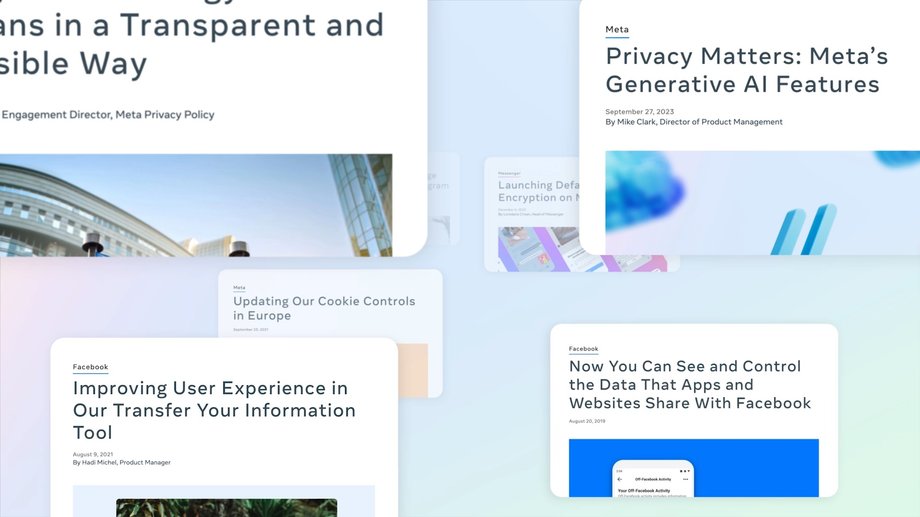
facebook – privacy policy
|
about.fb.com
In its UK AI Terms of Use, Meta states: “In some cases, Meta will review your interactions with the AI… and this review may be automated or manual (human)”.
Meta adds: “Unless users choose to share the media they have registered with Meta or others, that media remains on the user's device.”
Therefore Meta puts the responsibility on the user and suggests that they do not share sensitive information with itwhich she insisted on and which are necessary for the operation of Meta glasses.
Have you bought Meta glasses? To use their features, you must accept the terms
With AI glasses, users can record what they are looking at and have their questions answered via the Meta AI assistant. But In order for the user to use the features of the purchased glasses, he or she must agree to the terms of use of Meta's services, that allow all captured data to be viewed, including by humans.
This data may end up in places where it will be manually analyzed by low-paid, low-skilled workers. Such activities are subject to European GDPR rules, which require transparency as to how personal data is processed..
Why Kenya? Sam's company in Nairobi
Large Meta language models (LLMs) often require humans to annotate visual data so that AI can understand it and build its training models. The employees interviewed by Swedish newspapers were data annotators who manual marking of visible content taught Meta AI to interpret images. They were employed by an outsourcing company Herself from Nairobi, Kenya.

Sama – a company cooperating with Meta. Nairobi office in 2023
|
GettyImages
Apart from watching photos and videos they also reviewed transcripts of interactions and conversations with the AIto see if it answered the questions correctly.
In a statement, Sam told the BBC that does not comment on his work with specific clientsbut stated that it was a data services provider for various technology companies to help them improve the accuracy and reliability of their AI models. The company said the work complied with international regulations and had “rigorous audited policies” designed to protect customer information.
The company started as a nonprofit organization that aimed to increase employment by providing jobs in the technology sector. It is branded as “ethical,” but a previous contract to provide content annotation services to tech companies has drawn criticism, along with legal action by former employees. Since then the company has discontinued its content moderation services and has already admitted that it regrets taking on this type of work.