“15 minutes a day, out loud.” Thousands of people have responded to a call to read to children in a bid to promote reading


“When we talk to the children about what we read, we make sure that they understand. And this is a very big problem in Romania: one out of two children does not understand what they read”, says Andreea Nistor in a discussion with HotNews. He is one of the initiators of the “Fitness for children's minds” campaign, which runs until March 15 and encourages reading and the development of critical thinking.
More than 15,000 parents, grandparents and teachers have signed up to listen to or read children's stories through the “Fitness for Children's Minds” campaign. The activity promotes the idea of adults reading aloud to children – kindergarten and primary school children – for 15 minutes a day.
The motivation is easy to understand, says Andreea Nistor, and she cites Romania's shameful figures in the “reading” chapter.
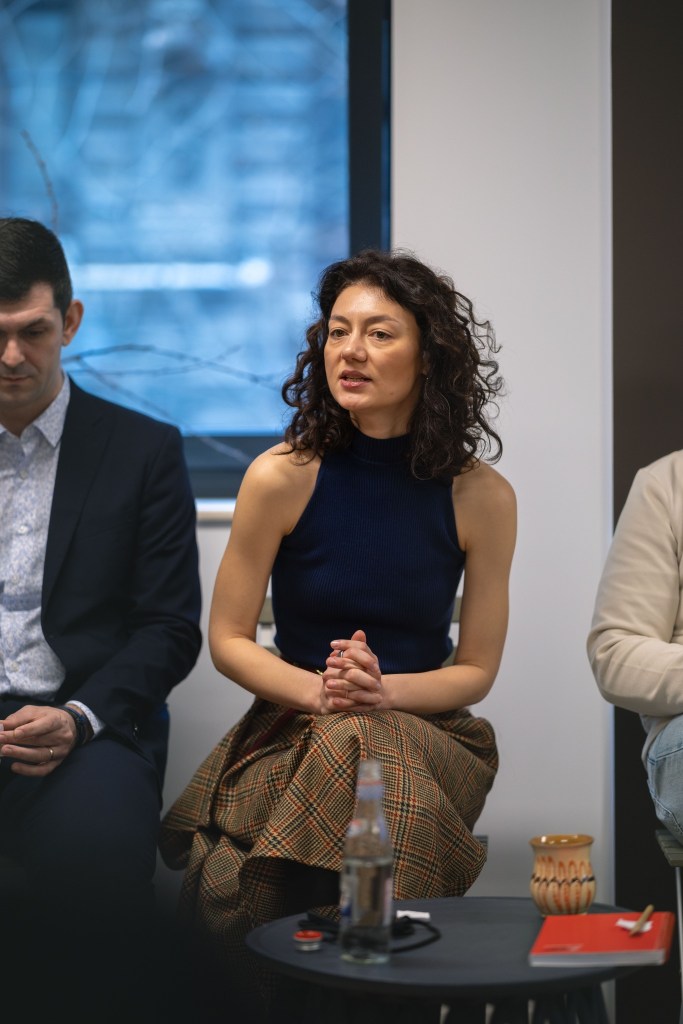
One out of two children in Romania does not understand what they read
In the last 10 years, more than 1,400 public libraries have been closed, which is almost 15% of the national total. Most are in the village, says Andreea Nistor, where “the most vulnerable children” are.
At the same time, PISA studies show that 1 in 2 children do not understand what they read, and 6 in 10 teachers do not have access to books considered “up-to-date” for the subjects they teach.
“Employers want young people who finish school to have all kinds of skills of the future, and reading makes children smarter. It's something that can propel you in life,” says Andreea Nistor.
According to the Association of Romanian Publishers, Romania ranks last in the European Union in book consumption, and the active reading public represents only 7% of the population – approximately 1.3 million people.
Nistor says, however, that we shouldn't talk about it with judgment: “a relevant book for children, big, hardcover, illustrated, reaches 50-100 lei”, and Romania is the country where the average income per capita “forces the shopping basket of a family”, and buying books is not a priority.
How to turn reading into a habit
Between February 4 and March 15, every Thursday, journalist Cristina Stănciulescu reads a story for children, live, for 10-15 minutes. Between 2,000 and 2,500 students from the large group and from the primary cycle, together with their teachers, participate weekly. Mind Fitness workshops are free and participants can win prizes, many of them in books.
The campaign was initiated by four NGOs and 10 publishing houses and bookstores and runs from February 4 to March 15.
On Thursday, February 26, Cristina Stănciulescu started the meeting on Zoom at 09:55 and started reading a story. More than 2,250 pairs of eyes were listening to her online.
At the end of the story, the students receive a challenge: to answer several questions, through a drawing. This time, they had to draw their favorite sport and their model in sports, but also a table with similarities and differences between the children and the main character in the story.
Two weeks ago, children had to draw, after a story about a dream car, this very object.
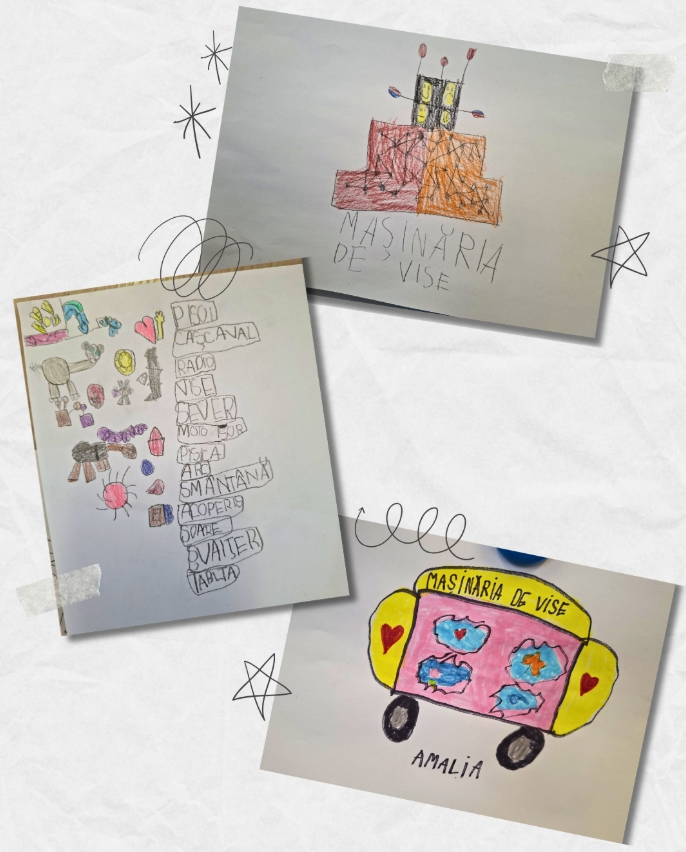
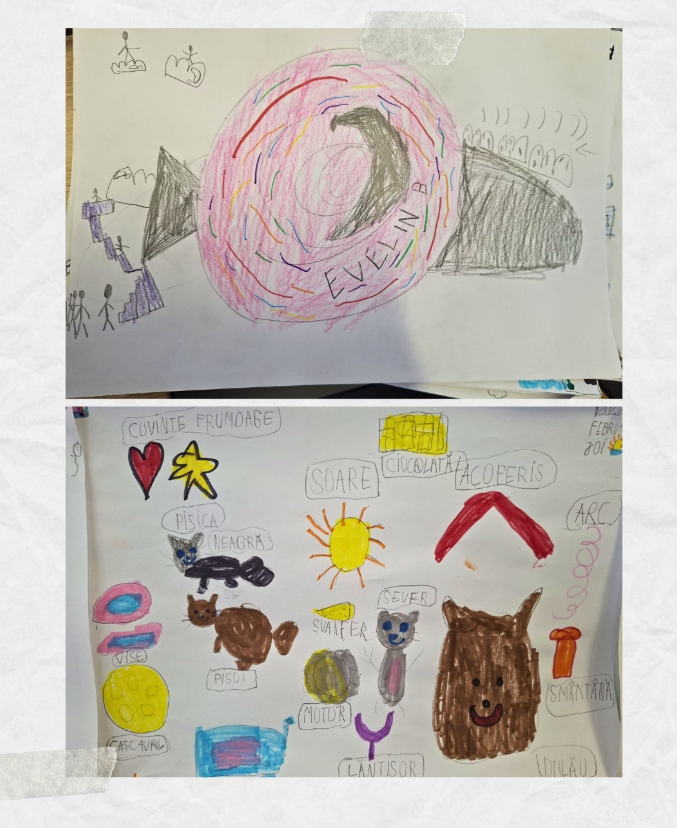
“Cristina Stănciulescu issues some questions and challenges to the children, and then we receive their drawings, because they listen to the story and the questions. The fact that they draw is a form of expression, a way of reflecting what you took from that story and what you imagined, what you understood, what notions and words and vocabulary you were left with”, Andreea Nistor explains the process.
“Nothing stops teachers from doing things differently”
When asked what things can change to promote more reading and critical thinking in school, the expert from Digital Nation says that the textbook and writing after dictation should be abandoned.
“Teachers are focused on the program and curriculum and textbooks and content. That means going through information, going through knowledge. But if you look at what young people will have to do on the job – the ability to solve problems, analytical thinking, the ability to synthesize some information – they can be formed if you, from the first years of life, had the chance to reflect and discuss”, argues the initiator of the campaign.
She claims that “there is nothing stopping teachers from doing things differently”, but this means more creativity and time to prepare lessons differently than they did before.
“In the Romanian education system, you don't have any performance management system for the teacher. If he gets results, if he does his job with dedication, he gets the same salary and the same performance qualification as a colleague who doesn't do that. And then you destroy the motivation for performance, progress and self-improvement, rewarding everyone in the same way”, concludes Andreea Nistor.