The European Commission has approved a state aid scheme notified by Romania, in the amount of 150 million euros (approximately 764 million lei), for the storage of electricity, according to a statement sent on Friday by the Community Executive.
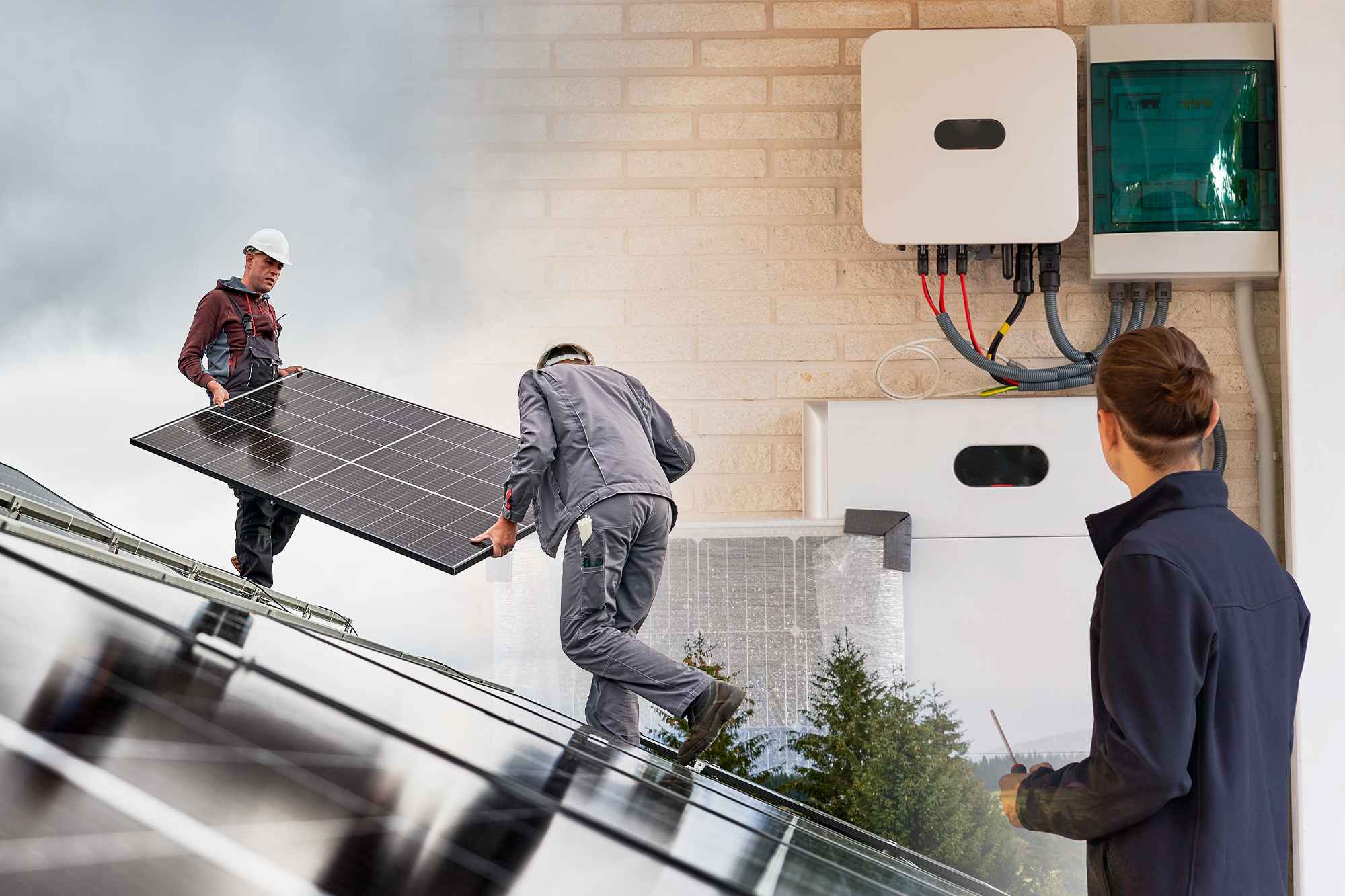
The scheme is for investment in storage systems, particularly energy batteries, so that electricity produced from renewable sources can be used more efficiently in the national energy system.
What storage capacity will be financed
The program will finance the installation of new storage capacities of at least 2,174 MWh, which would facilitate the integration of energy from variable renewable sources, such as wind or solar energy, into the electricity grid.
The support will be given in the form of direct grants for investments in autonomous energy storage systems, and the beneficiaries will be selected through a competitive bidding procedure.
Funding from the Modernization Fund
The scheme will be financed from the European Union's Modernization Fund. It is a tool for lower-income Member States to support clean energy investments and the modernization of energy systems.
The program is the first scheme notified by Romania within the State Aid Framework for the Clean Industry Pact (CISAF), adopted by the European Commission in June 2025.
The scheme will run until 2030
According to the Executive Vice President of the Clean Transition Commission, Teresa Ribera, the development of storage capacities is essential to the large-scale integration of renewable energy and to ensure a more secure and resilient energy system.
The aid will be granted under an estimated budget scheme and can be awarded until 31 December 2030, in accordance with European state aid rules.
What storage capacities does Romania have?
In the last year, more and more storage capacities began to appear in Romania.
At the end of 2025, there were storage capacities of almost 600 MW that can be distributed throughout the national energy system, and, according to ANRE's estimates, another 600 MW are in storage in the batteries of the prosumers.