Since the US and Israel's attack on Iran and the war it turned into, the world economy has been shaking to its foundations. The world's most important oil transport route, the Strait of Hormuz, has been closed, causing oil and gas prices to skyrocket.
Everyone is wondering how long this situation will last. The United States and Europe want to break the deadlock and ensure that tankers can return to transporting raw materials through the strait blocked by Iranian forces as soon as possible.
US President Donald Trump has declared that his country's navy can escort cargo ships in the Persian Gulf to ensure their safety. — If necessary, the U.S. Navy will begin escorting tankers transiting the Strait of Hormuz as soon as possible. The United States will ensure free energy supplies in the world,” he said. Moreover, he proposed financing special insurance for ships passing through the dangerous region from the US budget.
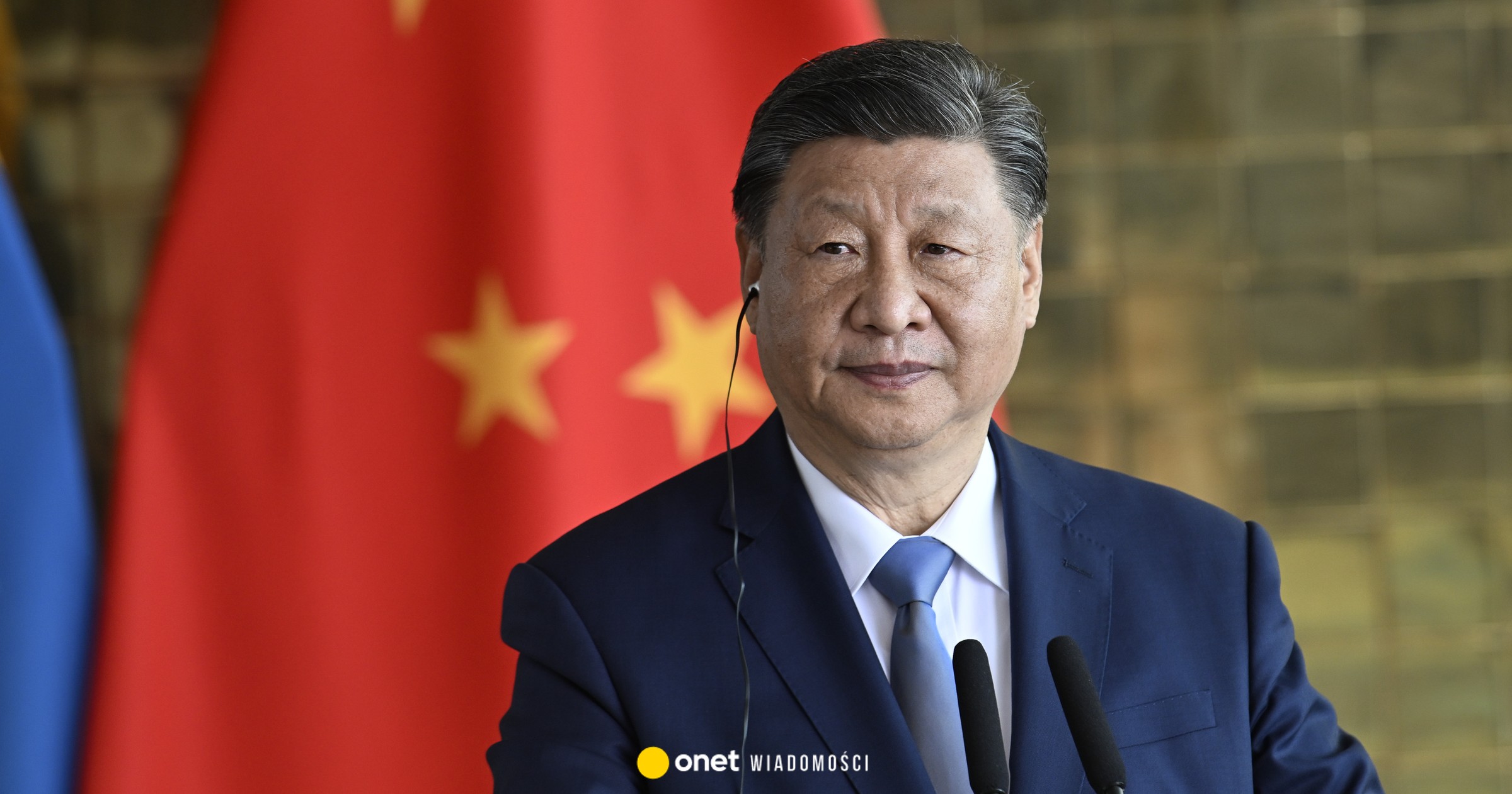
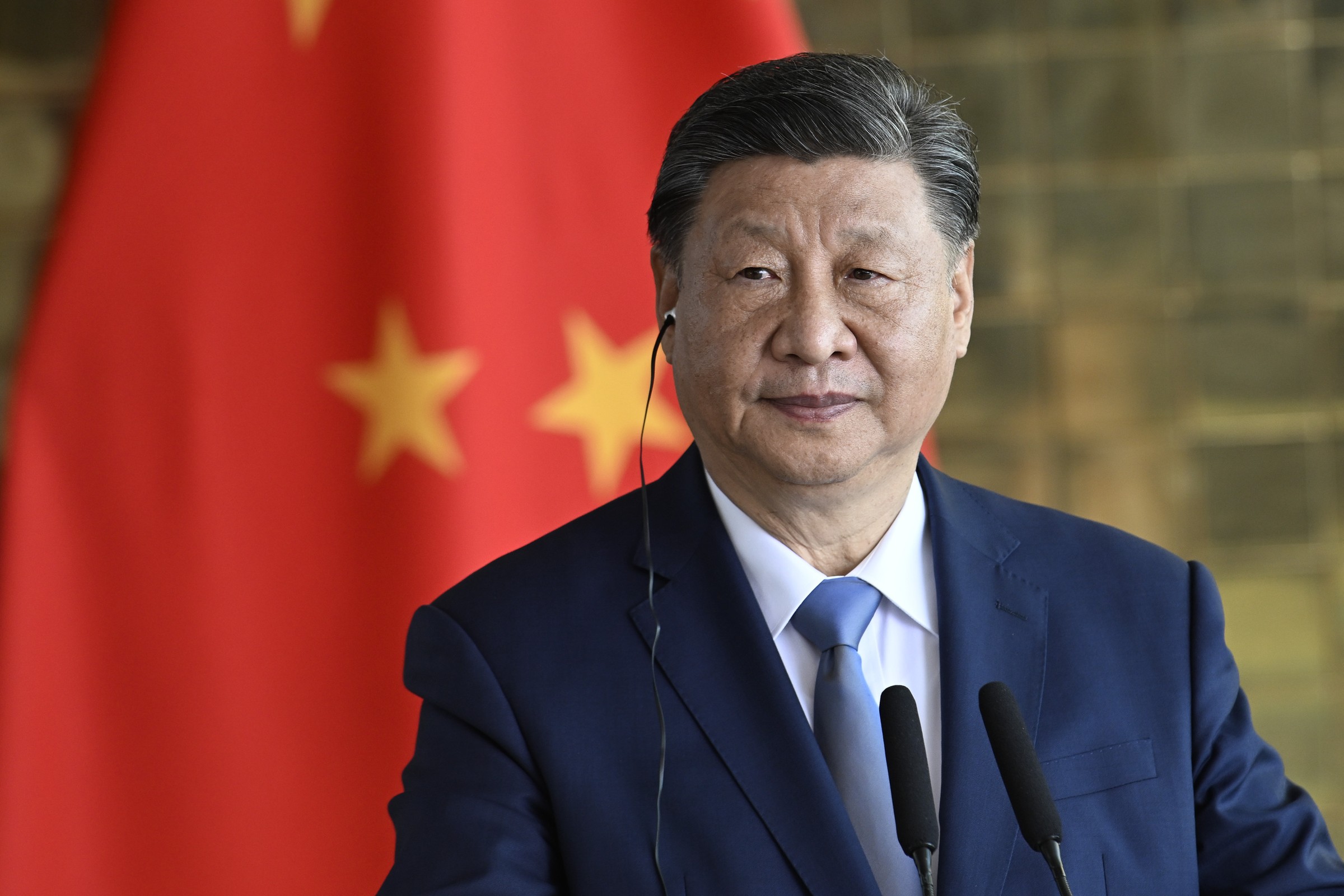
However, he is not the only one who wants to resume transport through the Strait of Hormuz. Xi Jinping is also counting on a quick lifting of the blockade. His country is an important buyer of Iranian oil – 87%. of its total exports from Tehran goes to Beijing. However, this relationship works both ways – China covers as much as 15% of its total supply from Iran. its oil demand.
— The Iranian regime is heavily dependent on payments from China. It is the pressure from Xi Jinping that may cause the Iranian authorities to open the Strait of Hormuz and even conclude an agreement with Trump, says Adrian Geiges, an expert on Asia.
Robert Halver, a capital market expert from Baader Bank, draws attention to the other side of the coin. — Due to the weak economic situation in China, Beijing cannot afford a shortage of oil and gas, he says.
Beijing's double game – missiles against American aircraft carriers
However, this is not the only aspect of cooperation between Iran and China. The countries are in “very advanced negotiations” on an arms deal. Tehran is counting on Chinese CM-302 hypersonic cruise missiles. Developed by the China Aerospace Science and Industry Corporation (CASIC), they are used to combat large surface vessels. That's why some people call them “carrier killers”.
The article continues below the video
These missiles could increase the effectiveness of Iranian attacks against the US Navy in the Persian Gulf. Xi Jinping has thus chosen a dangerous strategy. Officials appeal for restraint. Unofficially, it provides Iran with the opportunity to militarily break the US naval blockade.
The agreement that Beijing concluded with the Houthi rebels in 2024 may serve as a model. Under the secret agreement, Chinese ships could freely sail through the Red Sea. At the same time, Western freighters were attacked by rebels.
Sudden reticence towards the US – because of Taiwan?
Another fact is particularly telling. China refrained from sharply criticizing the US for its attack on Iran — Foreign Ministry spokeswoman Mao Ning only called on all parties to exercise restraint. At the meeting of the National People's Congress, a statement was made about “the vision that China and the US should be partners and friends.”
Adrian Geiges suspects that there is a cold calculation behind this by the Chinese. — Beijing has great hope that Trump will give China a free hand regarding Taiwan, he says. Since Trump attacked Iran, Xi may want to use this opportunity to “unite” Taiwan with China, as he often mentions. Geiges believes that Beijing is willing to sacrifice a lot to achieve this goal.
— To achieve this, the Chinese Communist Party is ready to abandon its ally, the mullahs' regime in Iran, he says.
I’m Ashley Davis as an editor, I’m committed to upholding the highest standards of integrity and accuracy in every piece we publish. My work is driven by curiosity, a passion for truth, and a belief that journalism plays a crucial role in shaping public discourse. I strive to tell stories that not only inform but also inspire action and conversation.