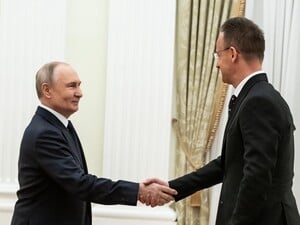
On March 4, Hungarian Foreign Minister Peter Szijjarto announced his visit to Moscow. According to him, the main reasons for the trip were issues of energy security and the situation of Hungarians from Transcarpathia who found themselves in Russian captivity.
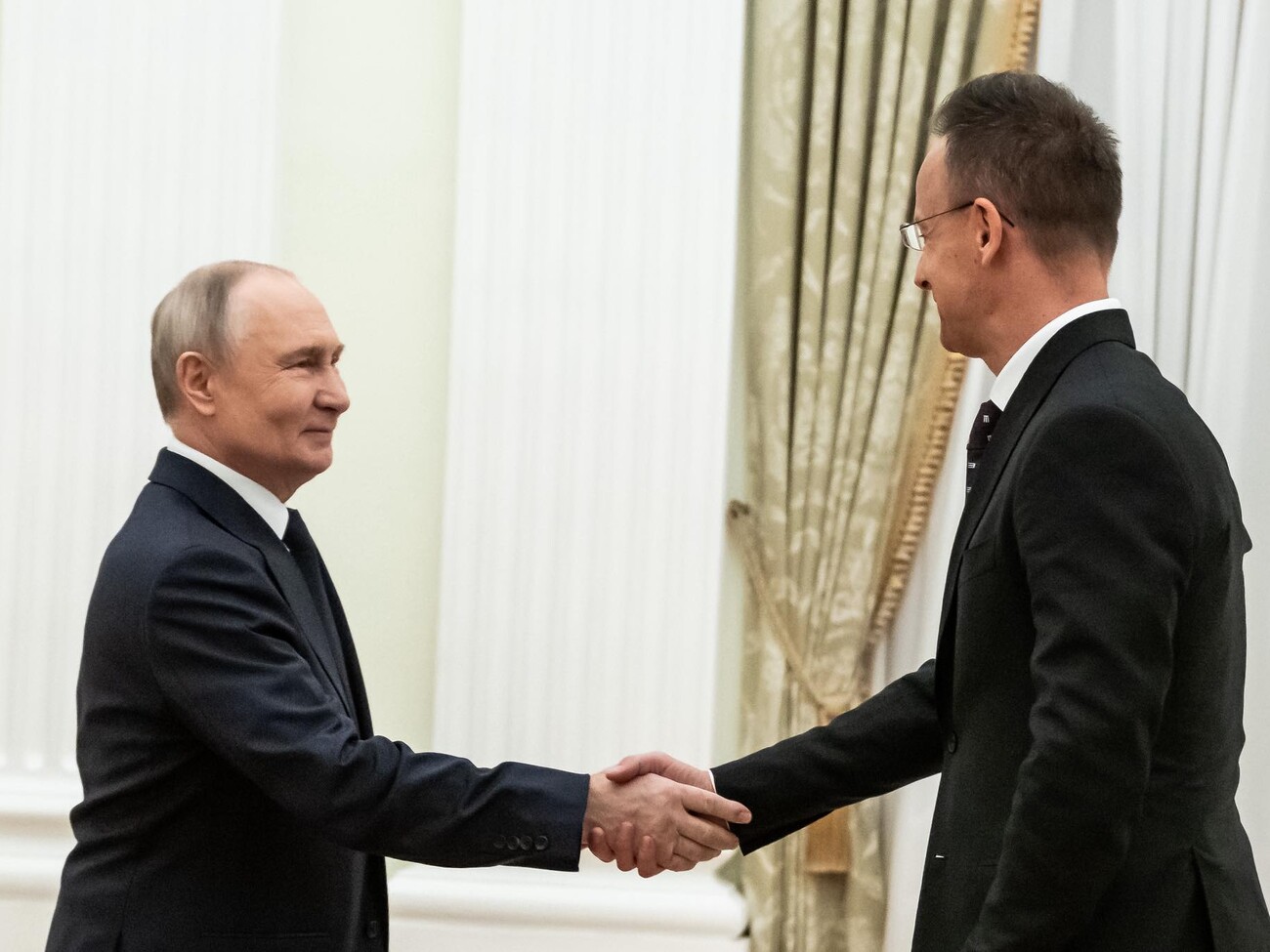
At a meeting between Szijjártó and the illegitimate Russian President Vladimir Putin, the release of two prisoners of war allegedly having Hungarian citizenship was announced.
A video of Putin’s statement was published by the “YOU LISTENED” Telegram channel.
“These are citizens who have dual citizenship – both Ukrainian and Hungarian, they were forcibly mobilized. You will be able, as the Prime Minister asked, to take them with you directly onto the plane on which you came here and on which you will return to Budapest,” the head of the Kremlin said.
The day before, the Kremlin reported a telephone conversation between Hungarian Prime Minister Viktor Orban and Putin. In this conversation, the issue of prisoners of war of Hungarian citizens in the ranks of the Ukrainian Armed Forces was raised.
Szijjártó published a video from the cabin of the plane, showing supposedly freed prisoners of war.
The Ukrainian Foreign Ministry noted that such actions are “political PR” on the eve of the elections in Hungary, emphasizing that Moscow and Budapest “this is not the first time they have manipulated the sensitive issue of prisoners of war.”
“One cannot help but be struck by the cynicism when the issue of people’s release is made part of political PR before the elections in Hungary and a bargaining chip in relations with the Kremlin… We hope that after today they will leave these people alone and allow them to choose how to live their lives,” the ministry said in a statement.
The Ukrainian side plans to seek access to the persons transferred to Hungary in order to obtain reliable information.
The Foreign Ministry also condemned the manipulation of the ethnic card and emphasized that the protection of Ukrainian citizens is a priority regardless of their origin.