Project put up for public debate in Iași for the banning of stalls. Mayor Mihai Chirica: “They will no longer exist until the borders of the municipality”


Gambling machines, the so-called pačanele – PHOTO: Inquam Photos / Octav Ganea
Iași City Hall has put into public debate a draft decision that provides for the banning of slot-machine type gaming devices (“slots”) within the municipality. The project, published on Tuesday on the Iași City Hall website, is under public debate for 10 days, according to local authorities.
The initiative directly targets the halls with slot-machine type machines, popularly known as “the slots”. Traditional lottery-type games organized by the National Company “Loteria Română” and operators that carry out exclusively sports betting activities are excluded.
If the project is approved, such devices will no longer be able to operate on the entire administrative territory of the municipality.
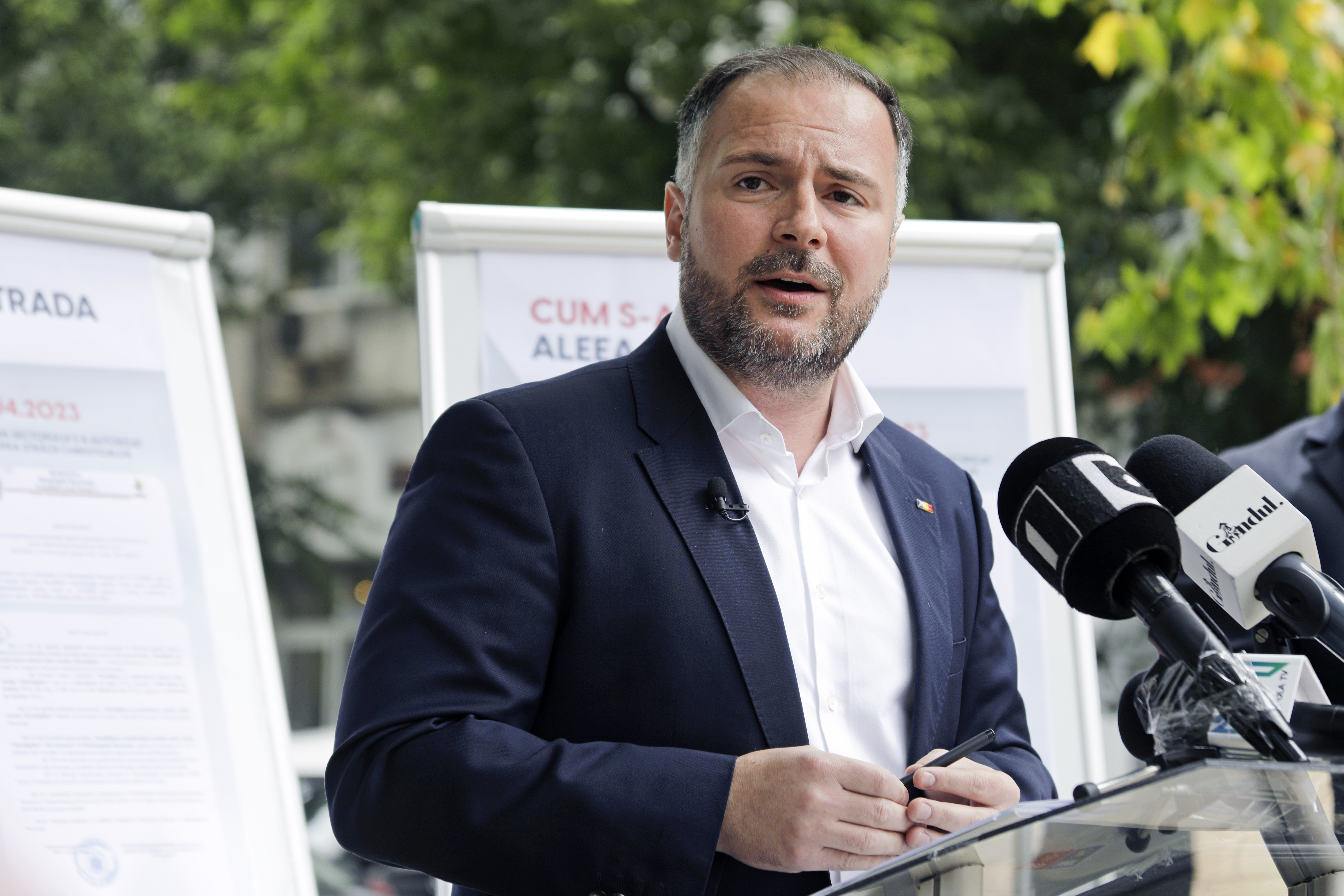
“This means that pawnshops will no longer exist until the borders with the other localities of Iași. I did a check around the city and found that there are pawnshops even in the halls of the National Lottery, which is why we will intervene in a meeting of the City Council to ban them,” mayor Mihai Chirica told Agerpres on Tuesday.
According to the data cited by Iași City Hall, approximately 150 gambling halls and approximately 30 betting agencies are currently operating in the municipality
“There are currently approximately 150 gambling halls and approximately 30 betting agencies operating in the Municipality of Iași, totaling 2,127 slot-machine type gaming devices (“slots”) out of a total of 102,186 devices at the national level. They are authorized by the Supervisory Committee of the National Gambling Office, according to the provisions of Government Emergency Ordinance no. 77 / 2009 regarding the organization and operation of gambling with subsequent amendments and additions, without the need to issue any operating authorization from the local public authorities, i.e. the Iași City Hall”, explained the institution.
Until the end of last month, the law required gambling companies to obtain a national permit. Through an emergency ordinance adopted on February 24, the Government introduced, in addition to the national authorization, the obligation of an operating authorization from the local public administration authority within which it operates.
Fee of 500 lei per square meter for other types of gambling halls
The mayor of Iași stated that, in parallel, a regulation for other types of activities in the field of gambling is also under public debate.
“The activities related to the National Lottery and sports betting are also regulated at the European level. We want to regulate especially those that operate on the ground floor of the blocks. They will no longer be able to operate if they do not have the consent of the owners' association. We asked for this because everyone has to decide for their lives. If the associations do not agree, they will be dissolved one by one”, declared Mihai Chirica.
He also announced the introduction of a tax on the other types of gambling halls that will continue to operate in the city.
“The gambling halls, other than the gambling halls, which will continue to operate within the radius of the municipality of Iași will have a tax of 500 lei per square meter,” said the mayor.
TSeveral cities are discussing banning gambling
Similar initiatives have recently been announced by other mayors, amid public pressures related to the social impact of gambling.
The mayor of Ploiesti, Mihai Polițeanu, the mayor of Slatina, Mario De Mezzo, and the mayor of Brăila, Viorel Marian Dragomir, announced that they are considering similar measures in their cities.
In parallel, the Parliament is discussing two draft laws on gambling. One of the initiatives provides for raising the minimum age for access to casinos from 18 to 21, and the other prohibits the display of betting advertisements between 06:00 and 24:00. Both projects were adopted by the Senate and are to be voted on by the Chamber of Deputies, the decision-making body.
 MAP More than 200 localities can ban gambling. What are the chances they will