Space has become a 'battlefield' with armed forces vying to have the largest presence in orbit, says SES chief


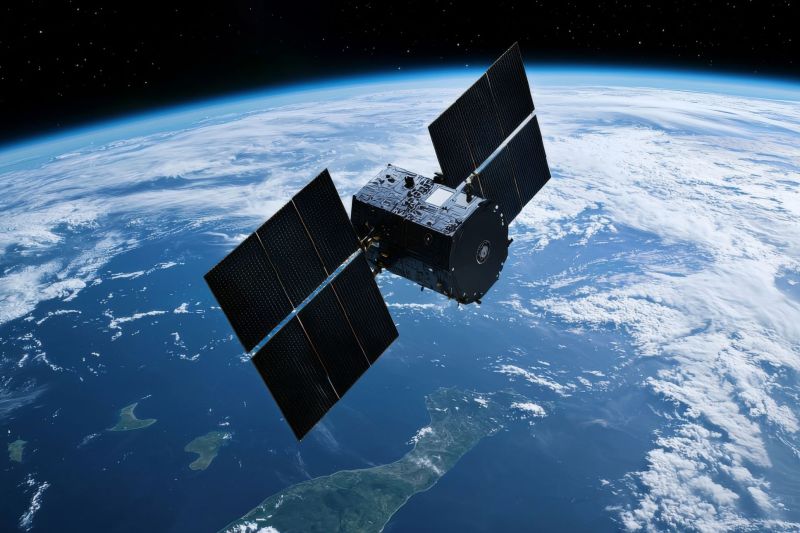
Satellite in space, PHOTO: Dzmitry Auramchik / Dreamstime.com
Space has become a war zone that requires military dominance in every orbit, the chief executive of satellite operator SES said on Monday, as the company's shares rose 4 percent after the release of its annual results and amid a broader appreciation in European defense stocks amid escalating conflict in the Middle East.
A note published by Citi analysts also shows that defense investors' focus on space-launched interceptor missile defense systems, such as US President Donald Trump's “Golden Dome” initiative, is likely to increase as the conflict in the Middle East and Persian Gulf expands.
Adel Al-Saleh, CEO of SES, said in a conference call after his company's financial results were published that the key to such rapidly evolving military systems is real-time information sharing between defense units.
He cited as an example of this the French nuclear aircraft carrier “Charles de Gaulle”, which last year led a multi-ship mission in the Pacific Ocean based on SES satellite networks.
“Space is now a battleground,” Al-Saleh told investors, noting that militaries now place space capabilities on par with air superiority, naval power or cyber security.
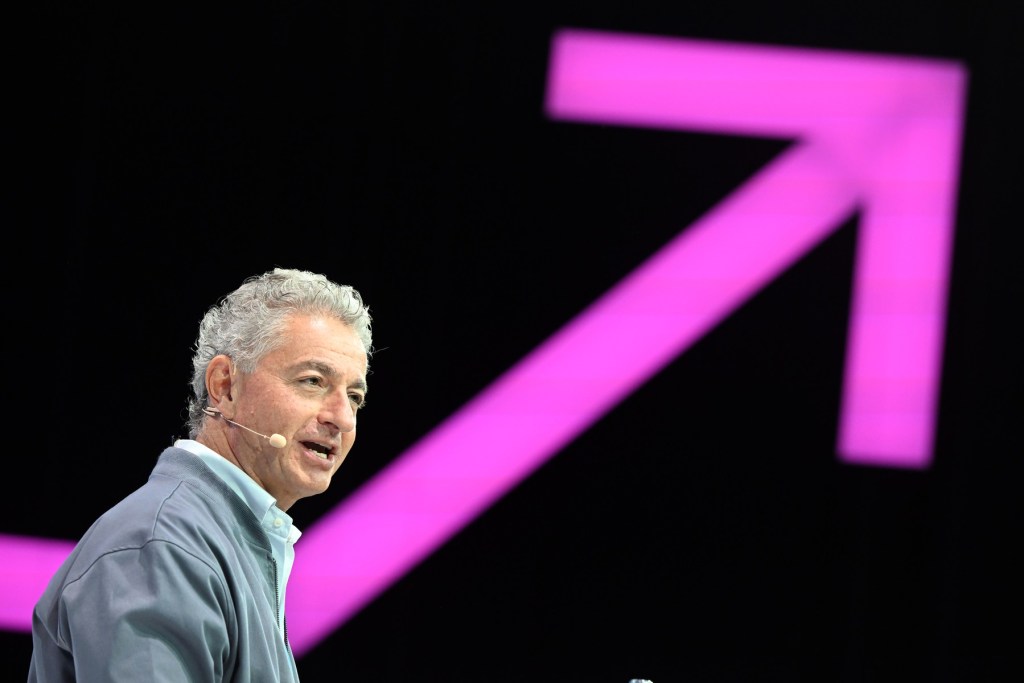
The growing European appetite for autonomy is also seen in space initiatives with military applications
He also said the strength of SES, a Luxembourg-based company, is that it offers sovereign network “segments” where governments have full control, and that the service meets Europe's growing appetite for autonomy.
“There is an acceleration in all nations of the world, especially in the United States and the European Union, to develop these capabilities on a large scale,” Al-Saleh recalled.
He also said that Europe treats space as a key element in achieving NATO's spending targets, part of which derives from the ability to build independent defense capabilities.
“The outlook is positive and it accelerates with conflicts,” Al-Saleh continued, adding, however, that even in the absence of conflicts, strengthening sovereign capabilities is a priority for many countries.
He concluded by saying SES plans to pursue aggressive vertical integration to “take control of supply chains critical to innovation,” banking on dual-use as it develops satellites that combine military and commercial capabilities.
PHOTO article: Dzmitry Auramchik / Dreamstime.com.