Some rejoice, others mourn the ayatollah. Why Iranians aren't following Trump's call to 'take over their government'

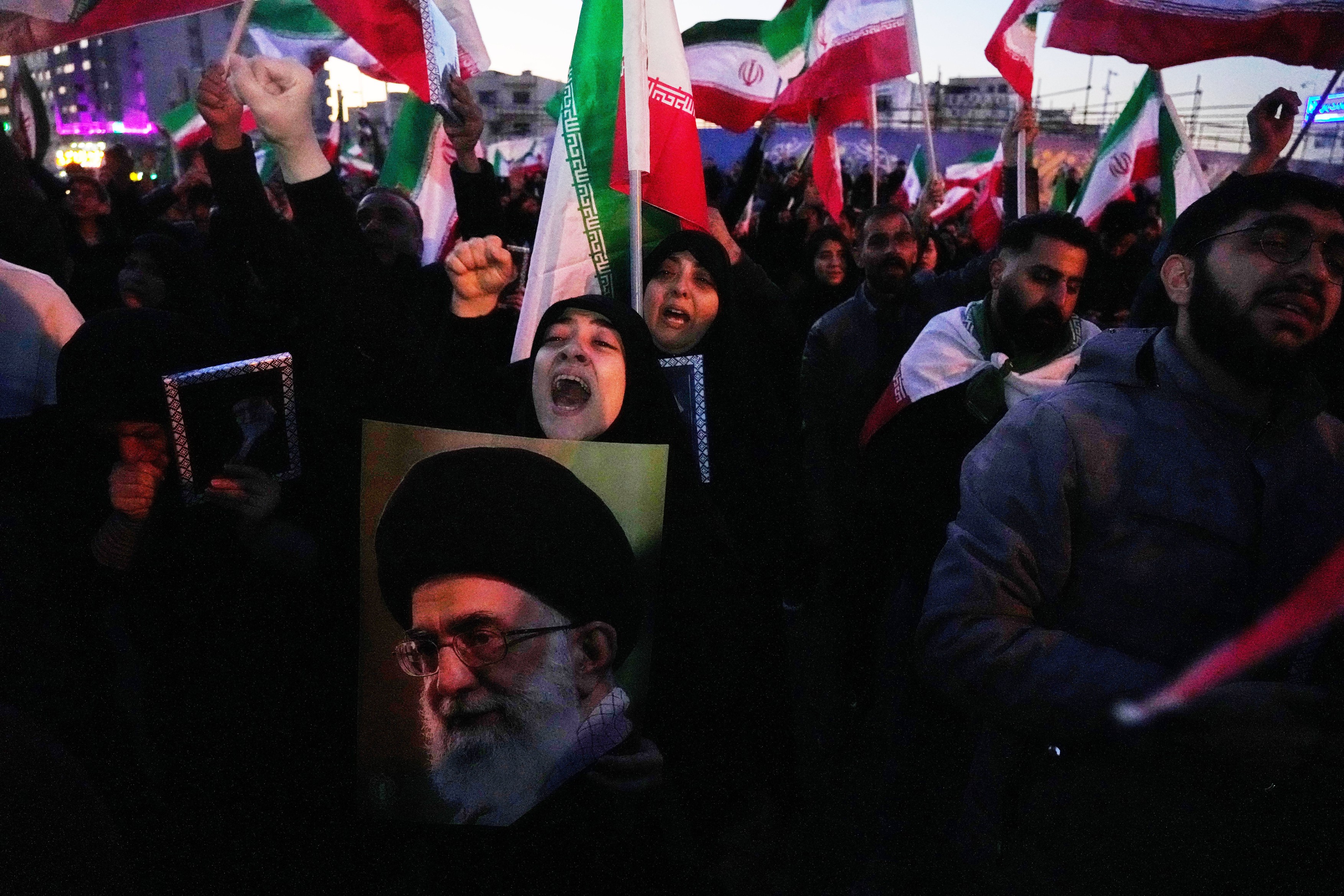
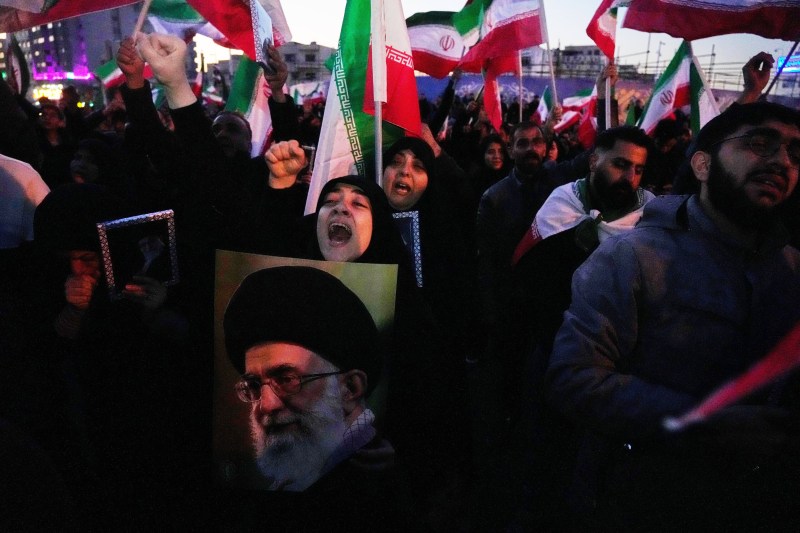
Supporters of the Iranian government mourn the death of Ayatollah Khamenei. PHOTO: Vahid Salemi / AP / Profimedia
“The hour of your freedom is at hand (…) When we are finished, take over your government. It will be yours,” Donald Trump urged the Iraniansin the speech in which he announced that the US and Israel attacked Iran with the aim of changing the regime in Tehran. But the Iranians don't seem to be in a rush to listen to the American leader, even after that Ayatollah Khamenei has been confirmed dead.
It is true that in Tehran and other large cities people could be seen on the streets rejoicing in the disappearance of the Supreme Leader. But it is equally true that thousands of other people gathered in the center of the capital on Sunday to mourn the man who has ruled Iran for the past 37 years.
On the one hand, we have a lack of confidence in these promises coming from America. In February 1991, during the first Gulf War, President George HW Bush issued a similar call to the Iraqi people to rise up and oust Saddam Hussein. “They did, but the US stood by while Saddam's repression forces massacred them in large numbers,” explains Ivo Daalder, former US ambassador to NATO, quoted by New York Times journalist Steven Erlanger.
And on Sunday morning, Iranians received a message on their phones from the Revolutionary Guards, warning them not to take to the streets to protest, as doing so would be considered “cooperation with the enemy”.
As for the others, those who wept and mourned the dead Ayatollah, we cannot know what they are really thinking.
“We embrace pain like no one else, mourning on command,” writes Ramita Navai, an Iranian journalist born in Tehran and raised in Britain, in her book, City of Lies. Based on the testimonies collected by the journalist during her time as a correspondent in Iran for The Times publication, between 2003 and 2006, the book talks about the double life of most Iranians under the Islamic dictatorship.
“To live in Tehran you have to lie,” writes Ramita Navai.
To read the entire article, you must subscribe to the “Ration, back!” newsletter, sent by email, every Tuesday morning, by journalist Gabriel Bejan.