First, she learned Polish in Łódź, in a special language study for foreigners. She already knew the basic phrases, but the nuances of Polish grammar turned out to be quite a challenge. For example, the masculine gender. That women and animals are lumped into one grammatical category.
– That they say “these girls” and “these dogs”, but “these boys” – Liza is still surprised. And consonant clusters. It is because of them that in Russia Poles are called “Pszeki”.
Ultimately, the Polish language was not a big obstacle for the Russian. After a year in Łódź, she was accepted to study finance at the University of Warsaw
— What surprised you about Poles? Once you came here permanently and got to know them better.
“Religion,” he replies without hesitation.
— I lived in a dormitory with a Polish roommate. It was Sunday.
I wake up and see that she is already up and starting to get ready somewhere. I look at my watch: eight o'clock. I say: you must have made a mistake, today is Sunday, not Monday, there are no classes. And she said no, she wasn't wrong. So where are you going? To church. To church? It was a shock for me. Here in Kaliningrad, people do not go to church every week, even the older, more religious ones, rather pray at home. You go to church for holidays and that's it. There are no religious lessons in schools. If you get married, it's a civil one. Church people take up membership maybe after a few or a dozen years.
She thinks that young Poles are more conservative when it comes to morals. Although not entirely, because, for example, homosexual people have it worse in Russia. There, you can go to jail for an equality parade.
What else surprised you? Caviar. That it's not even in stores.
— We always have caviar on the table for the New Year. People buy so much that they have enough of it. The red one in Kaliningrad wasn't even a particularly luxurious product. The black one is different, it's already expensive. In general, Poles eat little fish. For example, there are basically no dried ones here. Now it is a little easier to buy them, because Ukrainians have opened stores selling food from the East.
Finally, offices. In Russia, they are open during the week until 8 p.m. and additionally on Saturday.
— How can I arrange something at a Polish office if it is only open until 4 p.m.? – Liza is surprised. — I still can't understand it.
And prejudices?
“There is a stereotype about Poles in Russia that they don't like Russians,” admits Liza.
“You know, it's hard to convince such people that things are bad in Poland”
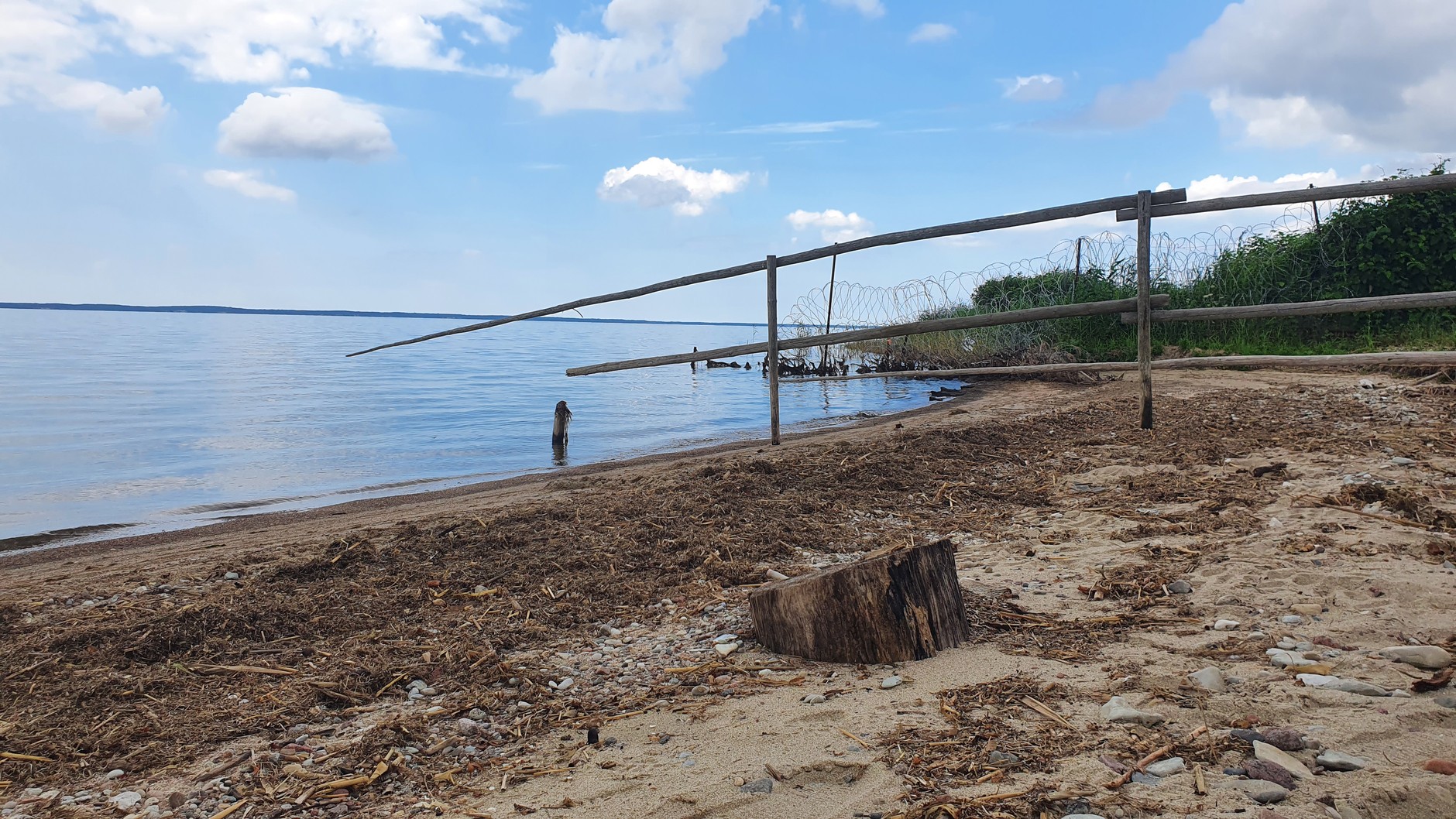
The Polish-Russian border on the bank of the Vistula LagoonMarcin Terlik / Onet
I don't think it's so baseless, especially recently. So I ask how she feels about it. After all, he has been in Poland for over 10 years.
“It's really hard for me to remember any bad situations,” he says. — Okay, once, when we came to Gdańsk with our parents, someone tried to destroy our registrations. This was after 2014 and the annexation of Crimea. And then, when I was already studying here and I had a car from Kaliningrad. In a guarded parking lot in Mokotów, they refused to buy me a subscription. They pointed to my numbers and said “we don't serve you”. They didn't say it directly, but I understood that it meant that I was Russian.
— And after February 2022?
Liza hesitates. She was then afraid that they would tell her to leave Poland, regardless of her job, husband or residence permit. But no one told her to do anything. Nobody said anything. On the other hand, no one on the street will recognize that she is Russian.
He thinks about his relatives and friends, those who stayed in Kaliningrad. Everyone has a lot of experience with Poland. Trade trips, weekends, holidays, shopping near the border. For years, an “obvious aspect of life”.
View of the street in the center of Königsberg [czerwiec 2022 r.]Associated Press/EastNews
— You know, it's hard to convince such people that things are bad in Poland. They finally saw it with their own eyes, says Liza.
And after a moment of reflection he adds:
— I think it's different with the younger generation. The one that is now 20 years old. They only went to Poland as children. They can believe it when they hear that there is Russophobia and hostility here. And if someone cannot check the facts for themselves, they believe what is on TV.
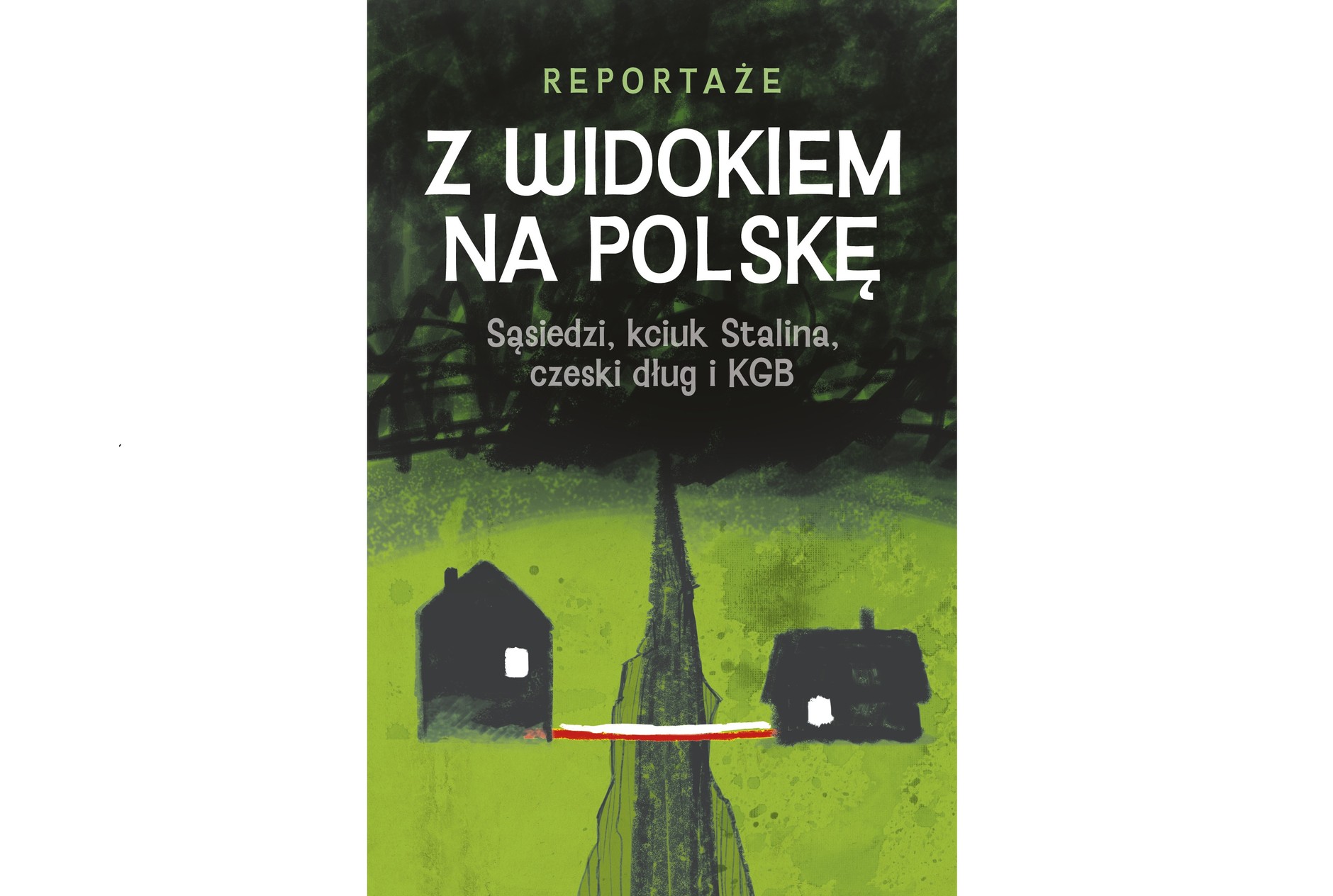
Read more in the book “With a view of Poland. Neighbors, Stalin's thumb, Czech debt and the KGB”.


![View of the street in the center of Königsberg [czerwiec 2022 r.]](https://knews.media/wp-content/uploads/2026/03/Ah3k9lBaHR0cHM6Ly9vY2RuLmV1L3B1bHNjbXMvTURBXy84ZWVhOTYyMjJjZmJmMTQ2ODZkZjZhZDk3MmE2MWNkZS5qcGeSlQMAA.jpeg)