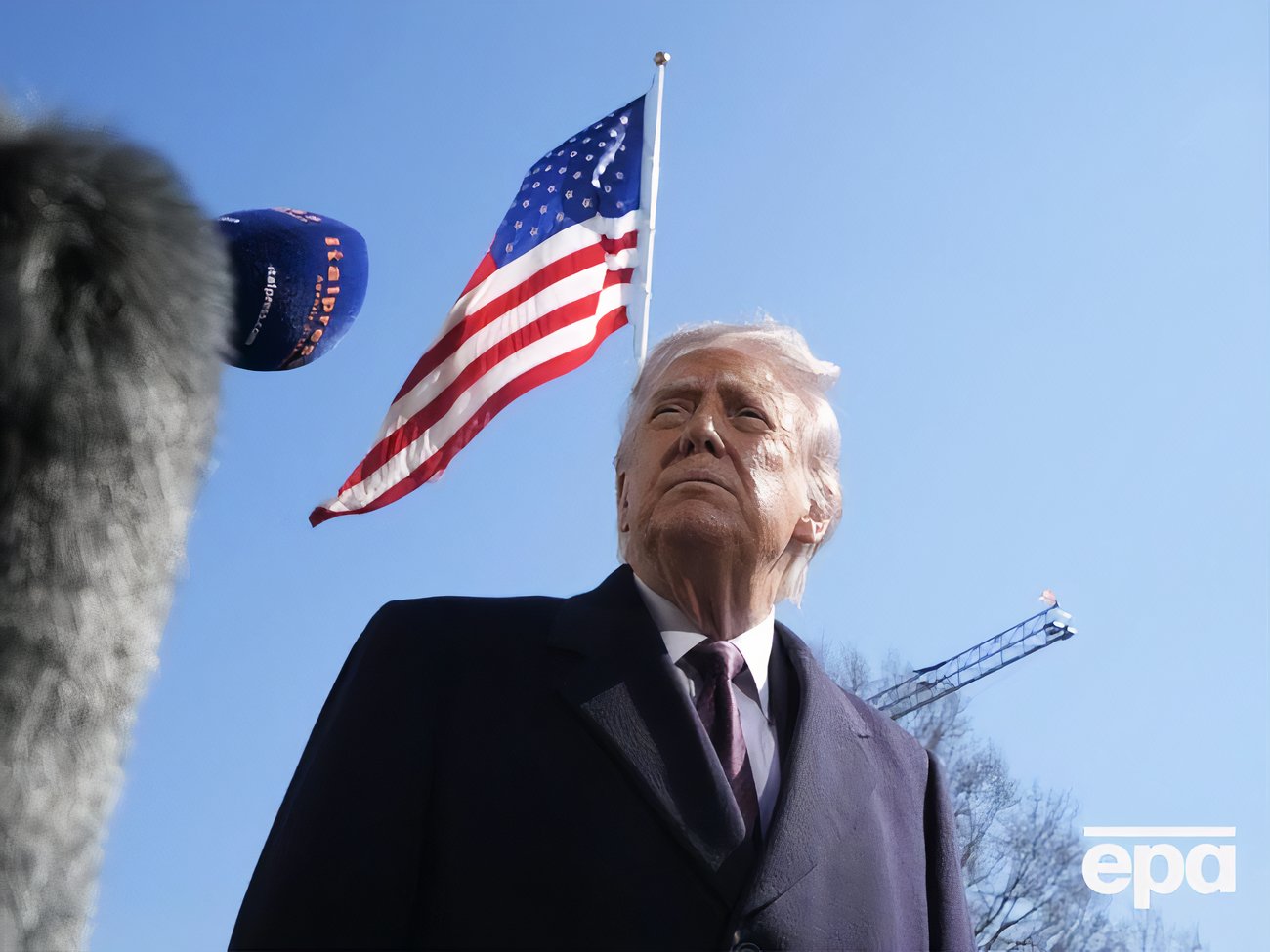
The head of the White House noted that he could either continue the operation and “take control of everything,” or “finish this in two or three days” and return to attacks on Iran in a few years if the Iranians begin to resume their nuclear and missile programs.
According to the media, such comments hint that Trump is still open to a diplomatic solution, even after US-Iran nuclear talks collapsed in Geneva.
The head of the White House himself called the unsuccessful negotiations with the Iranian side, which were headed by his special envoy Steve Witkoff and son-in-law Jared Kushner on the US side, one of the main reasons why he decided to strike at Iran. He noted that the Iranians were either approaching a nuclear agreement or retreating. From this, Trump said, he understood that “they really don’t want an agreement.”
The second reason was “Iran's behavior over the past few decades.” The American president noted that the day before, while preparing his speech, he instructed his team to collect information on all attacks related to Iran over the past 25 years. As a result, he saw that the Iranians “were doing something bad every month, blowing something up or killing someone.”
Trump also said Iran has begun rebuilding some of the nuclear facilities that the United States and Israel attacked during the 12-day war last June. Commenting on the then strikes on Iranian nuclear facilities, he expressed the opinion that if he had not carried out the strike then, Iran might have already developed nuclear weapons.
Context
On January 28, Trump demanded that Iran come to the negotiating table to achieve a “fair and just agreement – without nuclear weapons.” He warned that the next US strike “will be much worse” than last year's strikes on Iran's three nuclear sites.
The media wrote that at first representatives of the United States and Iran were supposed to meet in Istanbul on February 6 with the participation of other Middle Eastern countries as observers, but in Tehran the meeting was postponed to Oman, where the American side initially did not want to go.
On February 4, Iranian Foreign Minister Abbas Araqchi in X confirmed the holding of negotiations with the US delegation on Tehran’s nuclear program on February 6 in Oman. They took place in the capital Muscat. Tehran wanted to discuss with Washington exclusively nuclear issues, and not other topics, such as the missile program, that are priorities for the United States and Middle Eastern countries, Axios noted.
In an interview published on February 4, Trump said that Iranian officials had considered starting construction of a new nuclear facility in another part of the country, but were warned by the United States that they would do “very bad things” to them.
On the morning of February 28, Israel announced the military operation “Lion's Roar” in Iran. Trump announced his intention protect the American people by eliminating the immediate threats posed by the Iranian regime.”
Tehran threatened a “crushing” blow in response. The Israel Defense Forces reported several missile launches from Iran in response. The media later wrote about the fall of two ballistic missiles in northern Israel. Later, explosions were recorded in several other countries in the Middle East where there are American military bases – in Qatar, Kuwait, the UAE and Bahrain.