
How much does the daily maintenance of a prisoner cost in Romania. The budget allocated for each person in 2025


Beyond food or a bed, the operation of a detention system involves constant expenses borne from the public budget. In 2025, the state allocates 61.40 lei per day for each prisoner. The amount covers essential expenses: food, utilities, medicine, hygiene materials, fuel, communications and infrastructure maintenance.
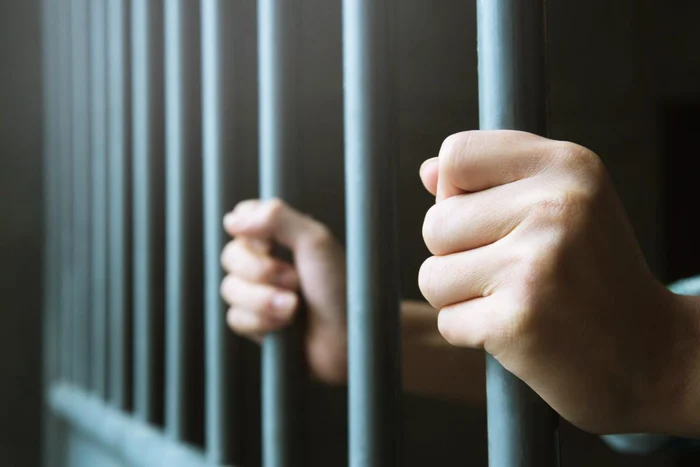
In 2025, the state allocates 61.40 lei per day for each prisoner. PHOTO: Archive
In 2025, the state allocates 61.40 lei per day for each prisoner. The amount covers essential expenses: food, utilities, medicine, hygiene materials, fuel, communications and infrastructure maintenance.
Most of the amount is directed to utilities – 17.45 lei per day for each incarcerated person. This includes heating, electricity, water and sanitation costs. Buildings must be habitable and minimum conditions are required by law.
Another 17.13 lei are allocated to the category “other expenses”, which include investment and maintenance of prison infrastructure.
8.91 lei per day is spent on food. Although the amount may seem small, the menus are varied: bread, butter, tea or milk are usually served for breakfast, soups, stews or pasta for lunch, and lighter foods such as vegetables, polenta or potatoes for dinner.
For health, 4.40 lei are allocated daily, money intended for medicines and sanitary materials, an essential aspect in a closed environment. Seemingly minor expenses complete the picture: 0.63 lei for cleaning materials, 0.83 lei for fuels and 0.15 lei for communications.
Prisoners and connection with the outside
A prisoner is not completely cut off from the world. Telephone calls are allowed through the telephones available in the penitentiaries, and their schedule and duration differ depending on the detention regime. In most cases, calls are used to keep in touch with family.
Romanian legislation establishes minimum accommodation standards, and European recommendations emphasize sufficient space, access to medical care and maintaining contact with the outside world. The idea of detention is not only punishment but also rehabilitation.
Overcrowding, a persistent problem
In practice, meeting these standards is becoming increasingly difficult. In many facilities, the number of convicted persons exceeds the available capacity.
For example, at the beginning of the year, the occupancy rate in Rahova Penitentiary exceeded 110%, and in Jilava Penitentiary it exceeded 107%.
Under these conditions, each day of detention not only means financial costs, but also a constant pressure on a system that tries to combine punishment with social reintegration.


