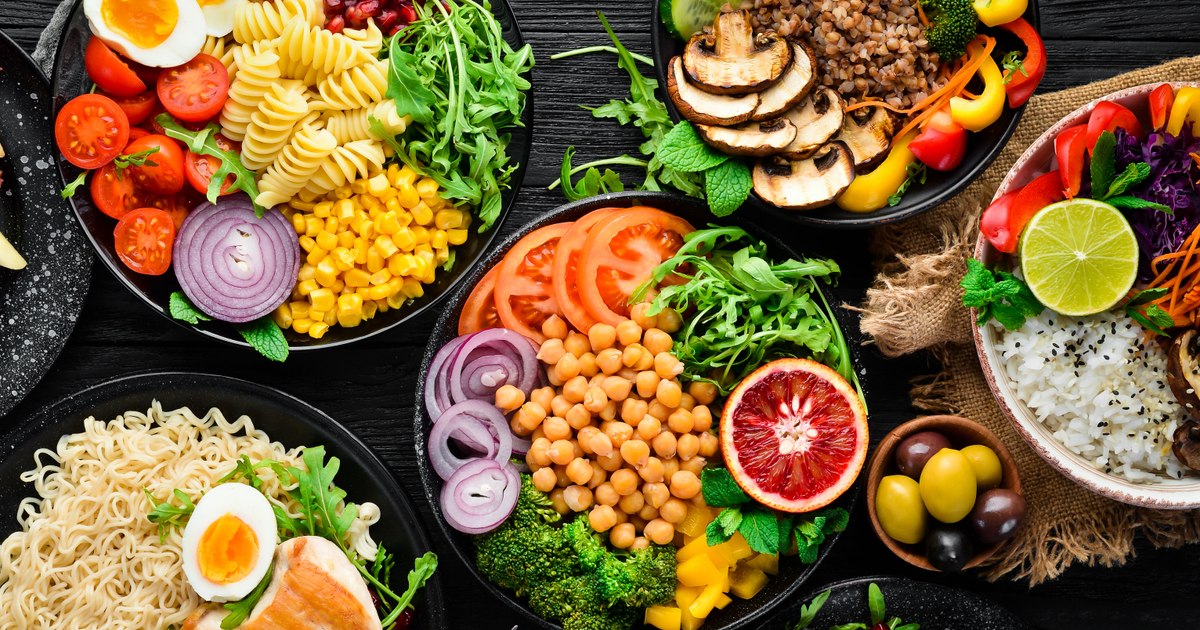
New research shows that vegetarians tend to have a lower risk of developing several types of cancer. However, the conclusions are not uniform: in the case of vegans, the risk of colon cancer was higher, compared to people who eat meat.
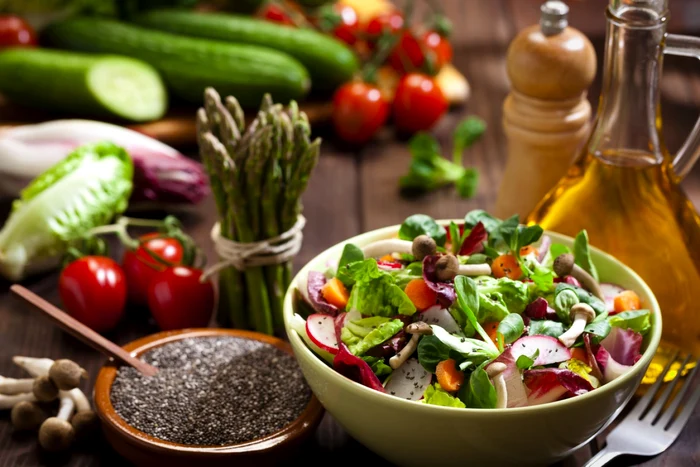
The risk of colon cancer was higher in vegans. PHOTO: archive
The study looked at long-term data from more than 1.8 million people in the US, UK, India and Taiwan who followed five eating patterns considered relatively healthy:
– 1,645,555 meat consumers
– 57,016 poultry meat consumers (without red meat)
– 42,910 fishermen
– 63,147 vegetarians
– 8,849 vegans
The participants were followed for an average of 16 years, and the researchers monitored the occurrence of 17 different types of cancer.
Vegetarians, lower risk for five types of cancer
Compared to meat eaters, vegetarians showed:
– a 31% lower risk of multiple myeloma,
– 28% less kidney cancer,
– 21% less pancreatic cancer,
– 12% less prostate cancer,
– 9% less breast cancer.
And pescatarians had a lower risk of colorectal, breast and kidney cancer, and those who excluded red meat but ate poultry had fewer cases of prostate cancer.
According to epidemiologist Tim Key, professor emeritus at the University of Oxford, the differences could be related to the effects of meat on the body rather than a significantly higher consumption of vegetables among vegetarians.
Possible nutritional deficiencies
However, researchers point out that diets without animal products can lead to reduced intake of certain micronutrients, such as calcium, B vitamins or riboflavin.
For example, vegetarians had almost double the risk of esophageal squamous cell carcinoma compared to meat eaters, possibly due to a lower intake of riboflavin.
Specialists point out that the study is observational and cannot demonstrate a direct causal relationship between diet and the occurrence of cancer.
Vegans and increased risk of colorectal cancer
One result that surprised the scientific community was that vegans had about a 40% higher risk of developing colon cancer compared to meat eaters.
The possible explanation would be low calcium intake. Calcium helps prevent colorectal cancer by binding free fatty acids in the gut, thus reducing potential damage. A previous study showed that women who consumed the equivalent of a glass of milk a day (about 300 mg of calcium) had a 17% lower risk of colorectal cancer.
However, the researchers state that the current differences in calcium intake between vegans and the rest of the population have narrowed significantly in recent years, mainly due to the increased consumption of fortified plant products.
Modern, more processed diets
Experts point out that the analyzed data comes in some cases from the 80s or 90s. Meanwhile, the vegetarian and vegan diet has changed, including more and more ultra-processed plant-based products that may influence health risks differently.
What remains valid
The study, published Friday in the scientific journal British Journal of Cancer, does not change the basic recommendations for a healthy diet: increased consumption of vegetables and fiber, red meat in moderation and frequent avoidance of ultra-processed meat, such as sausages.
Also, previous research suggests that moderate consumption of fish—and occasional meat—may benefit brain health and longevity, particularly thanks to the healthy fats found in fish, olive oil, avocados, and nuts.
The experts' conclusion: A diet that is predominantly vegetarian, balanced and nutrient-dense, but not necessarily extremely restrictive, may be the best option for reducing cancer risk in the long term.