Tamara Łempicka at the Samsung Art Store – how Samsung created a new niche on the RTV market

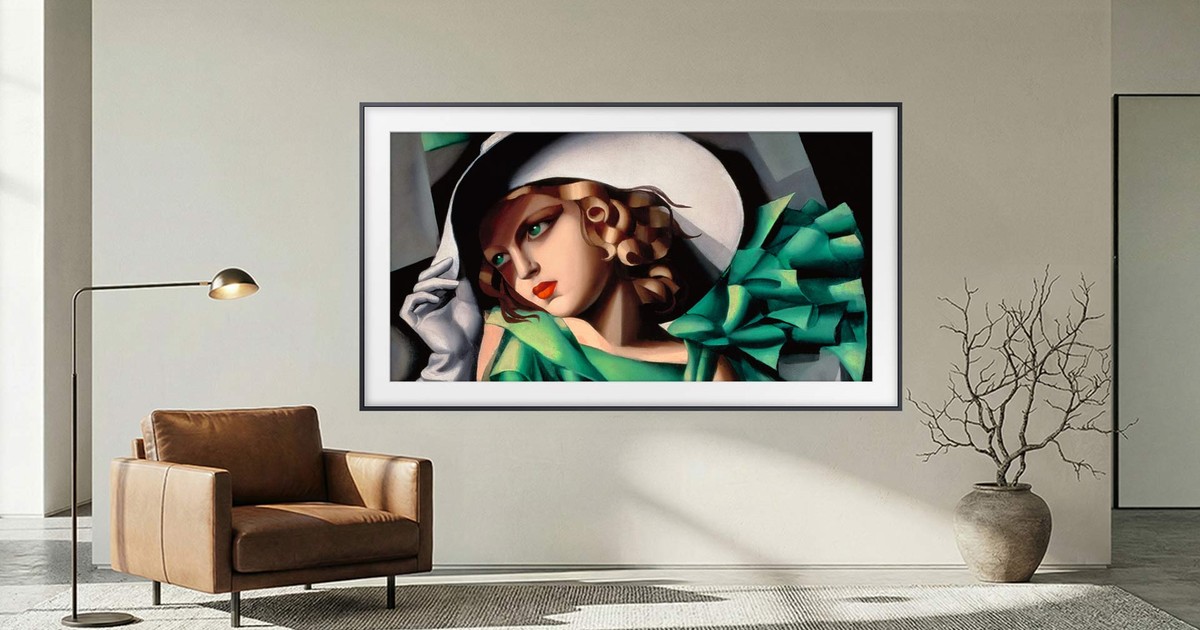
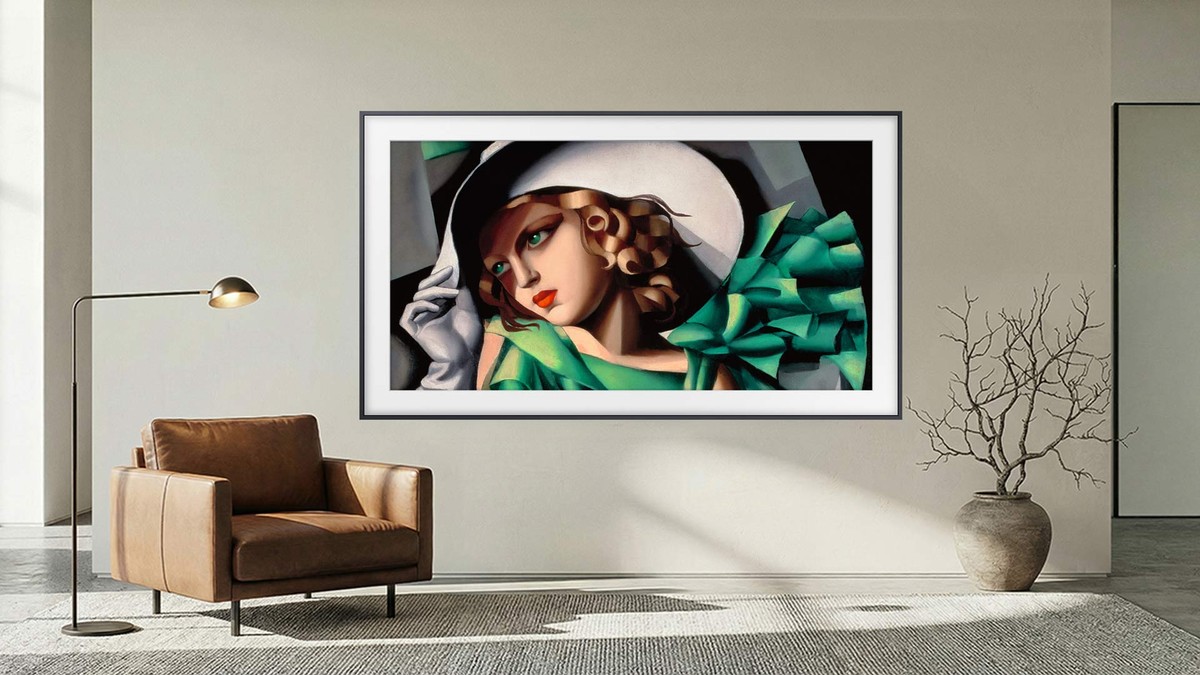
For several years now, Samsung has been consistently building a segment that simply did not exist on the RTV market before – a TV as a decorative element, not just an RTV device. And it is this niche that is starting to attract the attention of consumers and competitors today. The black mirror of the TV being turned off was a problem. Samsung was the first to treat this not as a technological limitation, but as unused space. The Frame (a TV that displays paintings, graphics and photographs in Art Mode) was a response to a very simple observation – the screen in the living room can be media all the time, not only when we watch a movie.
This was the moment when the TV stopped being an appliance and started to be a lifestyle product.
Art Store – an ecosystem that builds loyalty and generates recurring revenue
Together with The Frame, the Art Store was created – a subscription platform that today offers over 5,000 works from over 50 museums and institutions from around the world. It's not just a function anymore. It is an ecosystem that:
- increases brand loyalty,
- generates recurring revenue,
- allows you to diversify the offer in an industry where most TVs look similar.
Why Łempicka? A collection that strengthens the platform
Adding the Tamara Łempicka collection – prepared in cooperation with the Tamara Lempicka Foundation – is another step in building the value of this platform. This is not a random choice. Łempicka is globally recognizable, and its aesthetics work great on 4K screens.
The competition has already noticed this niche. For several years, Samsung was practically alone in this category. But the market abhors a vacuum. Today, others, and not for the first time, are following in Samsung's footsteps.
Why does it work? Technology is meant to be visible only when needed
Contemporary interiors are designed so that technology is visible only when it is needed. A TV that can “disappear” and become an image fits this trend perfectly.
It is no longer a question of whether art should be shown on screens. This is a question about how electronics manufacturers can monetize a space that has been dead so far.
Łempicka as a symbol of greater change – art in the era of digital distribution
Łempicka's presence in the Art Store is not only a cultural gesture. This is a signal that:
- digital, quality reproductions become a full-fledged product,
- the TV ceases to be an RTV device and becomes a platform for visual content,
- art enters mass circulation in a controlled and licensed way.
This is not a desecration. This is the commercialization of space that no one has been able to develop so far.
Conclusion: this is not the end of art history – it is its next format
And Łempicka? She would fit perfectly in our world.
Tamara Łempicka loved modernity, speed, style and precision. Her paintings have always looked as if they were designed for technology: sharp lines, light control, geometric form. If she were alive, she would be more interested in whether her works were displayed in the best possible quality and reached the widest possible audience.
Łempicka does not lose her “aura” on the screen. It only loses its limitations.
Digital galleries will not replace museums, but they are changing the way we interact with art – they turn elite experience into an accessible, scalable and global product. And this means that the future of art will not only take place in institutions, but also on the platforms, devices and screens we have at home.
Łempicka on TV is not a desecration.
It is a signal that art, like everything else, is entering, or rather already is, in the era of digital distribution. And that even the classics of modernism today have to compete for the attention of the user who, with one click, can change Monet to Picasso, and Picasso to Łempicka.
This is not the end of art history. This is her next format.