Trump administration lifted 30-year-old restrictions on ICE operations in or near churches and prohibited clergy from providing “pastoral care” to people in temporary detention centers. Religious organizations representing thousands of worshipers of various denominations have filed lawsuits over the policy changes, and some federal judges have ruled in their favor.
“The president has said that religious freedom is important to him,” said Ingrid Rasmussen, lead pastor of the Lutheran Church in Minneapolis, referring to President Donald Trump's State of the Union address. “But I can't help but wonder if the current administration believes that only certain people should be able to practice their faith,” he adds.
Some judges found the administration's eagerness to carry out mass deportations limits the religious rights not only of immigrants but also of communitiesthat welcome them. The legal disputes center on the First Amendment right to freely exercise religion [do Konstytucji Stanów Zjednoczonych]and the Religious Freedom Restoration Act, which requires the government to use the “least restrictive” measures when it violates religious practice.
U.S. District Judge Robert Gettleman found earlier this month that restrictions imposed by ICE at a Chicago-area detention center “significantly limited” the rights of clergy who provide services to immigrants. He ordered ICE to allow them limited access to the facility to “administer penance and communion” on Ash Wednesday. In Minnesota, U.S. District Judge Jerry Blackwell has scheduled a March 13 hearing in a similar lawsuit brought by religious organizations and members of the clergy seeking access to the federal building. Bishop Henry Whipple in Minneapolis, Minnesota.
The article continues below the video
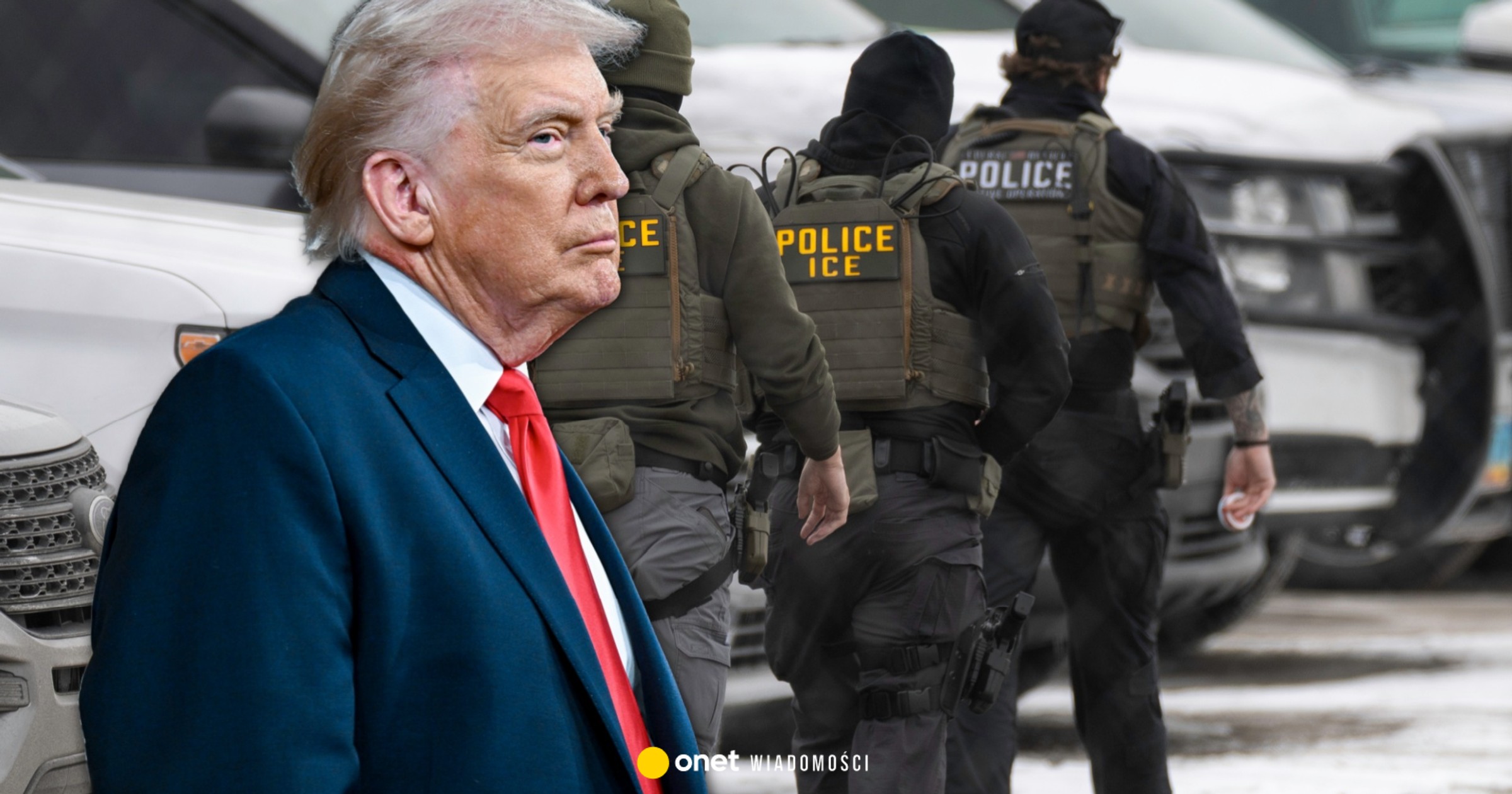
There is a broader dispute over the administration's first day order to lift decades-old restrictions on ICE enforcement in or near churches, as well as other “sensitive” places such as hospitals and schools. This change eliminates clear rules for enforcement in these places and instead requires local ICE officers to use “common sense.”
Religious organizations representing thousands of believers filed a lawsuit over the change, saying it caused a measurable decline in attendance at places of worship that welcome immigrants. They say the threat of law enforcement has limited their public statements, influenced decisions about appointing immigrants to leadership positions and led them to consider new security measures to protect worshipers.
The Trump administration says these fears are overblown. — The free exercise clause does not allow breaking the law. People who are here legally and not breaking any other laws have nothing to fear, said Tricia McLaughlin, spokeswoman for the Department of Homeland Security. “Elected officials and clergy who choose to spread fear by distorting reality are doing our country great harm… We protect our schools and places of worship by preventing foreign criminals and gang members from using them and taking refuge there,” she added.
In court, the administration's argument is simple: ICE has carried out few crackdowns on churches, so concerns that it might do so on a regular basis are not legally justified.
“Another level of inhumane treatment”
But a federal appeals court in Washington appeared skeptical during a hearing this month in a case brought by Christian and Jewish communities that argue that ICE should have obtained a court order before carrying out operations near churches.
— We want to remove the barrier to enforcement in places of worship, but the court should assume that in doing so — even though we enforce the law everywhere, we won't enforce it in places of religious worship? Judge Robert Wilkins said during a hearing in U.S. District Court in Washington. “It doesn't make sense,” he added.
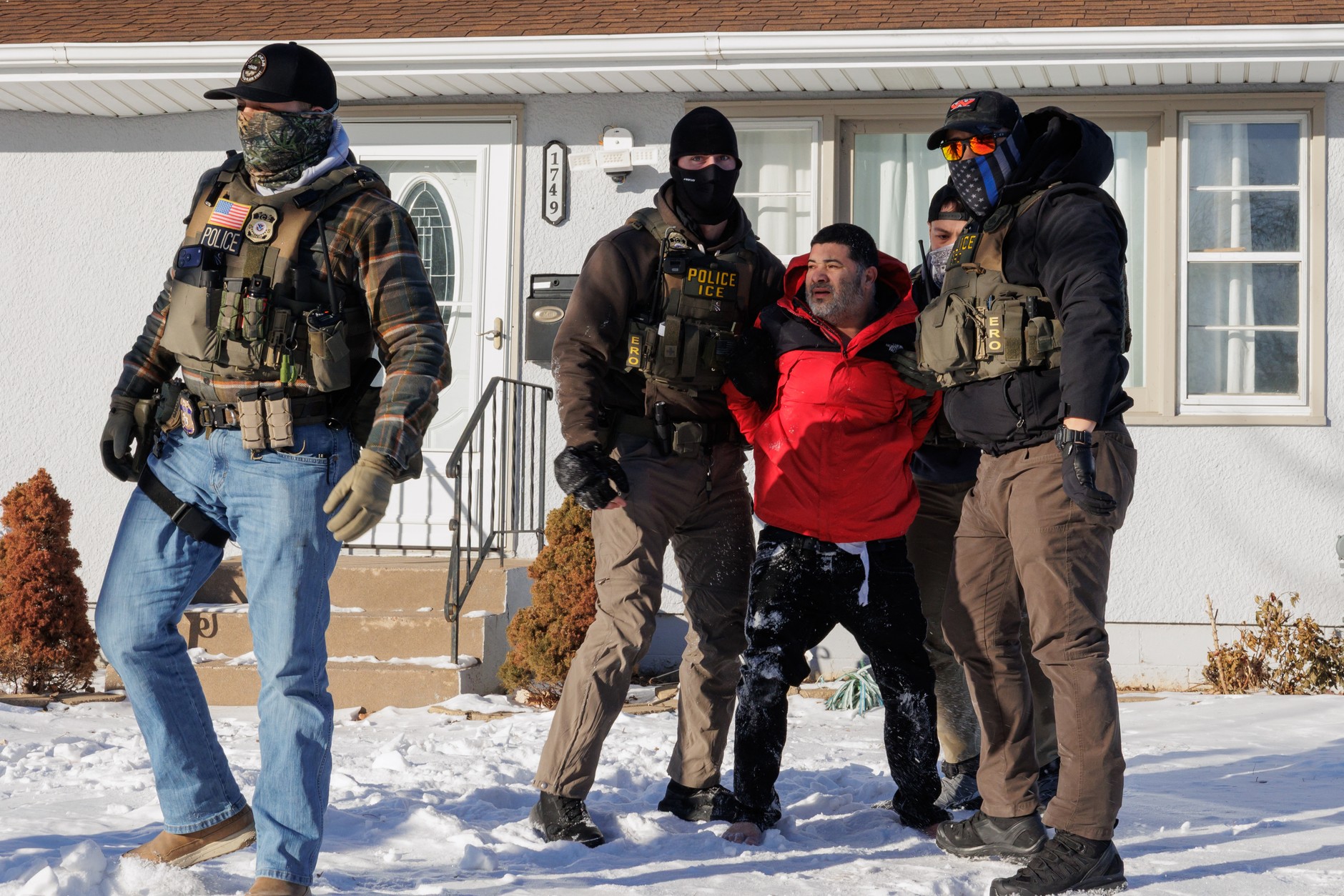
ICE agents arrest a man outside his home during an operation in St. Paul, Minnesota, January 27, 2026MADISON THORN / ANADOLU / ANADOLU VIA AFP / AFP
Judge Florence Pan said requiring ICE to obtain warrants for church operations would make places of worship “safer than your homes.”
Last year, just weeks after the administration lifted the old restrictions, Quaker, Baptist and Sikh congregations won a smaller-scale injunction case. That case is scheduled for oral arguments before the 4th Circuit Court of Appeals in Richmond in May.
Irina Vaynerman, CEO of Groundwork Legal and lead attorney for clergy seeking access to Whipple's building in Minnesota, notes that the crux of the dispute is the humane treatment of people in difficult times under “appalling” detention conditions.
— Denying them the opportunity to contact a clergyman who could provide them with emotional or spiritual support, is another level of inhumane treatment towards some people, he says.
I’m Ashley Davis as an editor, I’m committed to upholding the highest standards of integrity and accuracy in every piece we publish. My work is driven by curiosity, a passion for truth, and a belief that journalism plays a crucial role in shaping public discourse. I strive to tell stories that not only inform but also inspire action and conversation.