Two scenarios for Venezuela after Maduro. Democracy wins in both

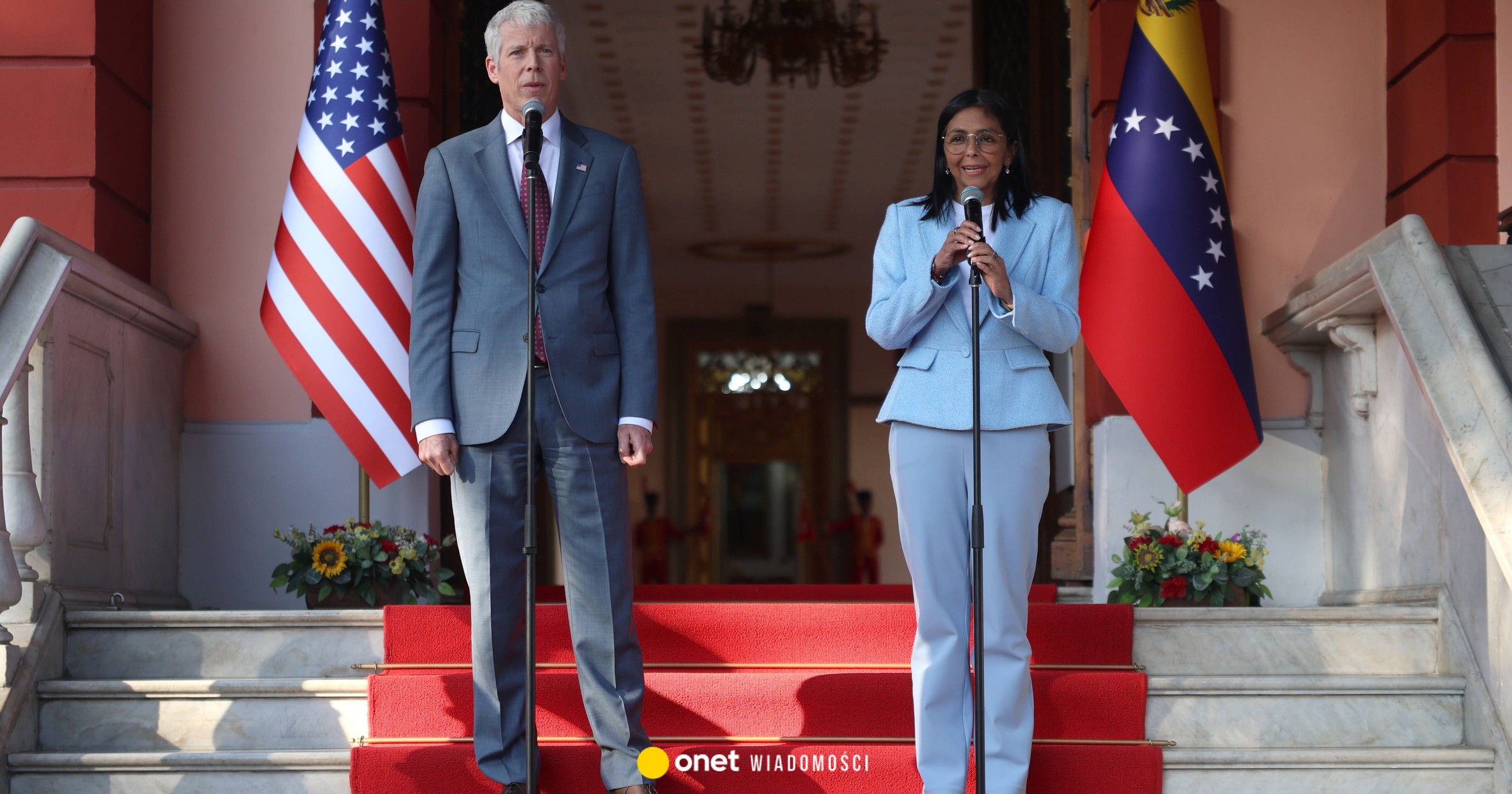
Delcy Rodriguez, 56, is a lawyer and the daughter of the guerrilla leader who kidnapped American businessman William F. Niehous. Her father's actions led to his imprisonment and subsequent death, widely considered a homicide. During the presidency of Hugo Chavez and Nicolas Maduro Rodriguez has held a number of key public positionsincluding the minister of communication, finance, foreign affairs and the vice president.
The politician is famous for her activity in the international arena, where she zealously defended the Venezuelan government against serious accusations, including: from the Organization of American States or the International Criminal Court. Rodriguez alleges creating a wide network of corruption and bribery around the world to recruit lobbyists and collaborators. As a result, it was subject to international sanctions for actions undermining democracy and the rule of law in Venezuela.
Secretary Rubio in the Senate stated that the interim Rodriguez government is implementing U.S. demands regarding stabilizing the country, ending the repression, reviving the economy and releasing all political prisonerswhich is the purpose of the amnesty law. – We want to move to a transformation phase in which we will remain a friendly, stable, prosperous and democratic Venezuela, in which all social groups will be represented in free and fair elections, he assured.
In response to some senators' concerns about oil control, Rubio explained that The US wants it not to go to Cuba or China for cheap. Therefore, the oil subject to sanctions will be released, companies will receive licenses to transport and sell it, and the funds will go to an account supervised by the US.
This solution ensures that revenues will be audited and allocated to health, education, safety and wages – instead of contributing to the pockets of the “Chavista” elite, as has been the case so far. Secretary Rubio emphasized that Venezuela does not need financial assistance from American taxpayersbecause it has sufficient funds for reconstruction. He predicts that the country will complete the stabilization phase within approximately half a year.
Left-wing narrative war. “Hostile intervention by the United States”
Under the banner of a refreshed Monroe Doctrine and a new “Trump addition”… [USA przeprowadziły] military intervention in Venezuela, bombing the capital Caracas, which led to the death of civilians and 32 Cuban soldiers who bravely and honorably opposed the hostile intervention of the United States and defended Nicolas Maduro from kidnapping.
The Venezuelan public rejected these accusations. The survey showed that 92 percent Venezuelans not only supported Maduro's capture, but also expressed gratitude to President Donald Trump for issuing such an order.
Not only Venezuela. The US action changes the entire continent
American military intervention had a strong impact on the rest of Latin America, especially Colombia. October 19, 2025 President Trump accused President Petro of “illegal drug trafficking” and supporting drug cultivation in Colombia. He warned that if Petro did not destroy the crops, “the US would take care of it for him and it would not be pleasant.” Following these public warnings, Colombia's president entered into talks on the fight against drugs. The improving relationship became evident during their meeting at the White House on February 3, when Trump called the Colombian leader a “great guy” and agreed to strengthen cooperation in the fight against drugs.
On January 10, the Nicaraguan government announced the release of dozens of people from prison, just a day after the US demanded the release of more than 60 political prisoners. This decision is part of a broader trend – just like in Venezuela, where Under pressure from the US, political prisoners began to be released.
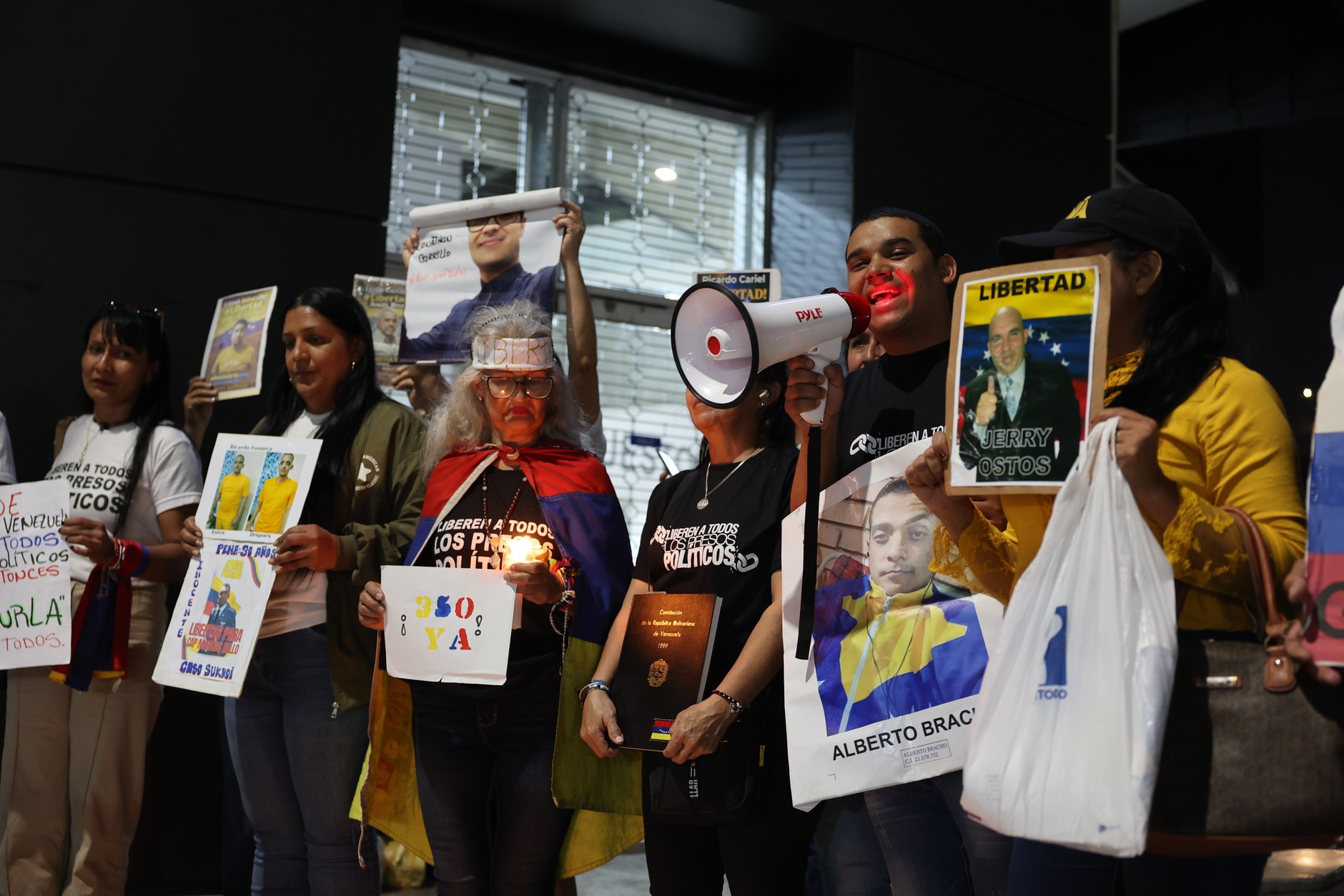
The participants of the vigil demand the release of political prisoners. Caracas, February 23, 2026PAP/EPA/MIGUEL GUTIERREZ
Delcy Rodriguez may be trying to save moderate Chavism from before Maduro's rule
Maduro's extreme authoritarianism and his ties to the Cartel de los Soles drug cartel have led to a split in the leftist Forum of Sao Paulo. Additionally, the ruling United Socialist Party of Venezuela (PSUV) remained in power in Venezuela severely weakened by Maduro's often irrational actionswhich undermined her chances for the future.
Maduro acted against the interests of his own party and even his own, because he should have left when Secretary Rubio gave him the opportunity. Meanwhile, he carried out the orders of the Cuban regimewhose sole purpose was to further extract resources from Venezuela. The scale of Cuba's influence is best demonstrated by the fact that among the 32 Maduro bodyguards eliminated by American armed forces, all of them turned out to be Cubans.
Therefore, it is not unreasonable to assume that Rodriguez took part in designing the post-Venezuelan reality after Maduro's departure. According to sources, even before the president was removed from office, his then-vice president and her brother told Americans that they were ready to cooperate as soon as Maduro was no longer relevant.
Unlike Interior Minister Diosdado Cabello or Defense Minister Vladimir Padrino, Rodriguez has not been officially charged in the US. If it follows President Trump's directives, it can rebuild the remnants of “Chavism” and lead the PSUV in a moderate direction. However, it will not be easy, because Rodriguez is still under international sanctions for human rights violations and corruption.
The future of Venezuela. Two obstacles stand in the way of stabilization
The U.S. plan for Venezuela may be at risk for two reasons. First of all – by the resistance of Minister Cabello, who still controls irregular armed groups. Disabling it would require U.S. intervention.
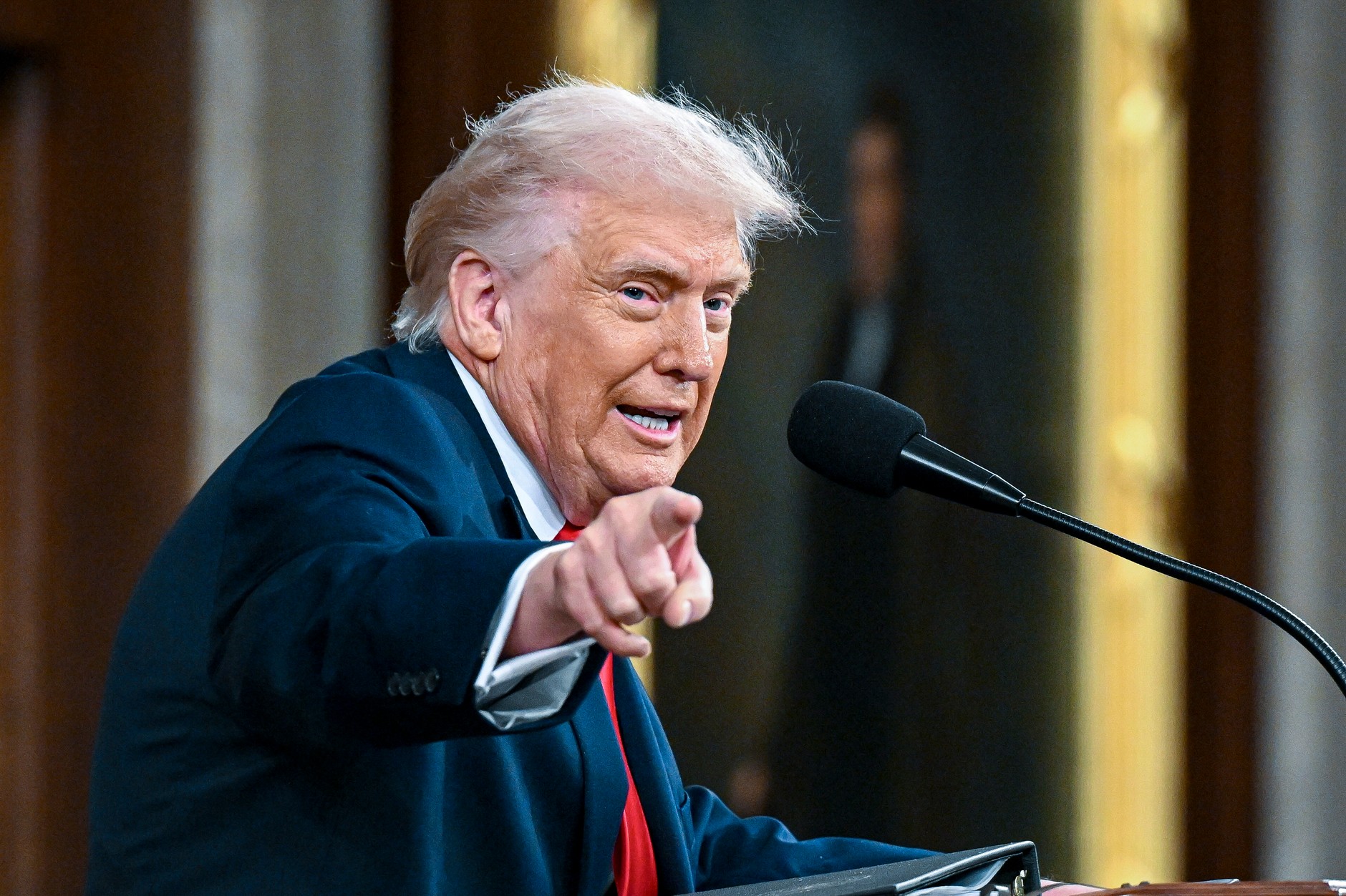
Speech by Donald Trump, President of the USA. Washington, February 24, 2026PAP/EPA/KENNY HOLSTON / POOL
As a result, foreign investments will flow into Venezuela, especially in the oil sector, a the country will become the region's energy supply center. The new government will help promote freedom and democracy in Latin America and will cooperate with the US to combat drug trafficking and organized crime.
There is another possible, although less likely, scenario if the Republican Party loses its majority in Congress in the midterm elections. Democrats can prevent President Trump from using force in Venezuela. Without a US military presence in the Caribbean, members of the Los Soles cartel will try to stay in power. Venezuelans will react to prevent this from happening, leading to outbreaks of violence.
As a result, the transformation in Venezuela will be delayed and investments will slow down. By then (after November 3), the left will most likely lose the elections in Peru, Colombia and Brazil. The continent, dominated by the right wing, will push for the democratization of Venezuela, which will eventually happen, but with a delay of several months.