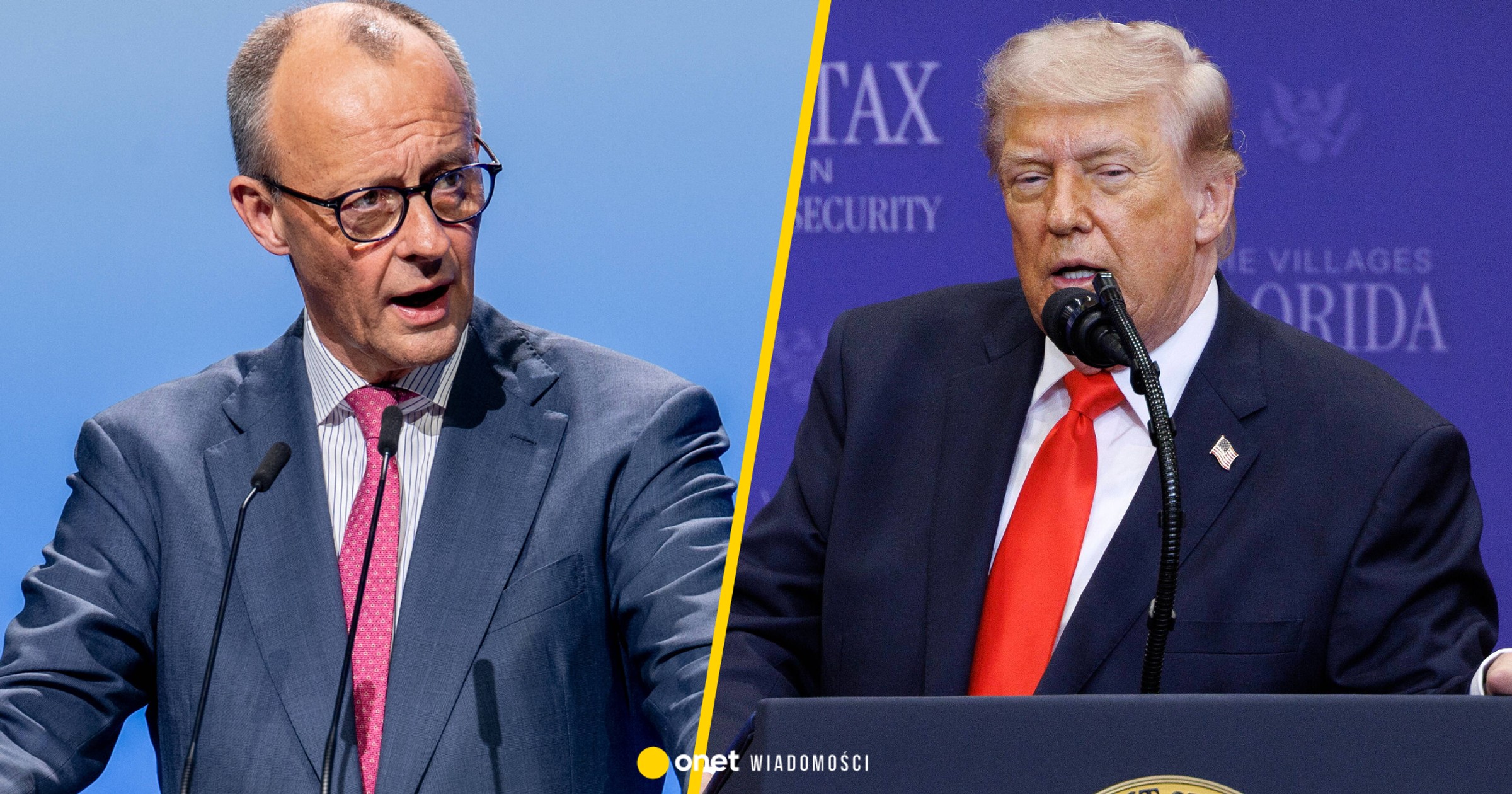
President Donald Trump initially declared that he wanted to limit America's involvement in the world and end “forever wars”in which this country has been involved many times. Over time, however, the Republican appears to be increasingly interested in concentrated military strikes.
However, there are clear differences among members of the Trump administration in their assessment of the return to a broader military operation against Iran, which could even be aimed at regime change. Numerous American journalists reported that Chief of the General Staff Daniel Caine and other senior military commanders they warned about the risks of such action. In the event of an attack, serious losses would have to be expected as a result of Iranian counterattacks, both on the American side and among allies in the region.
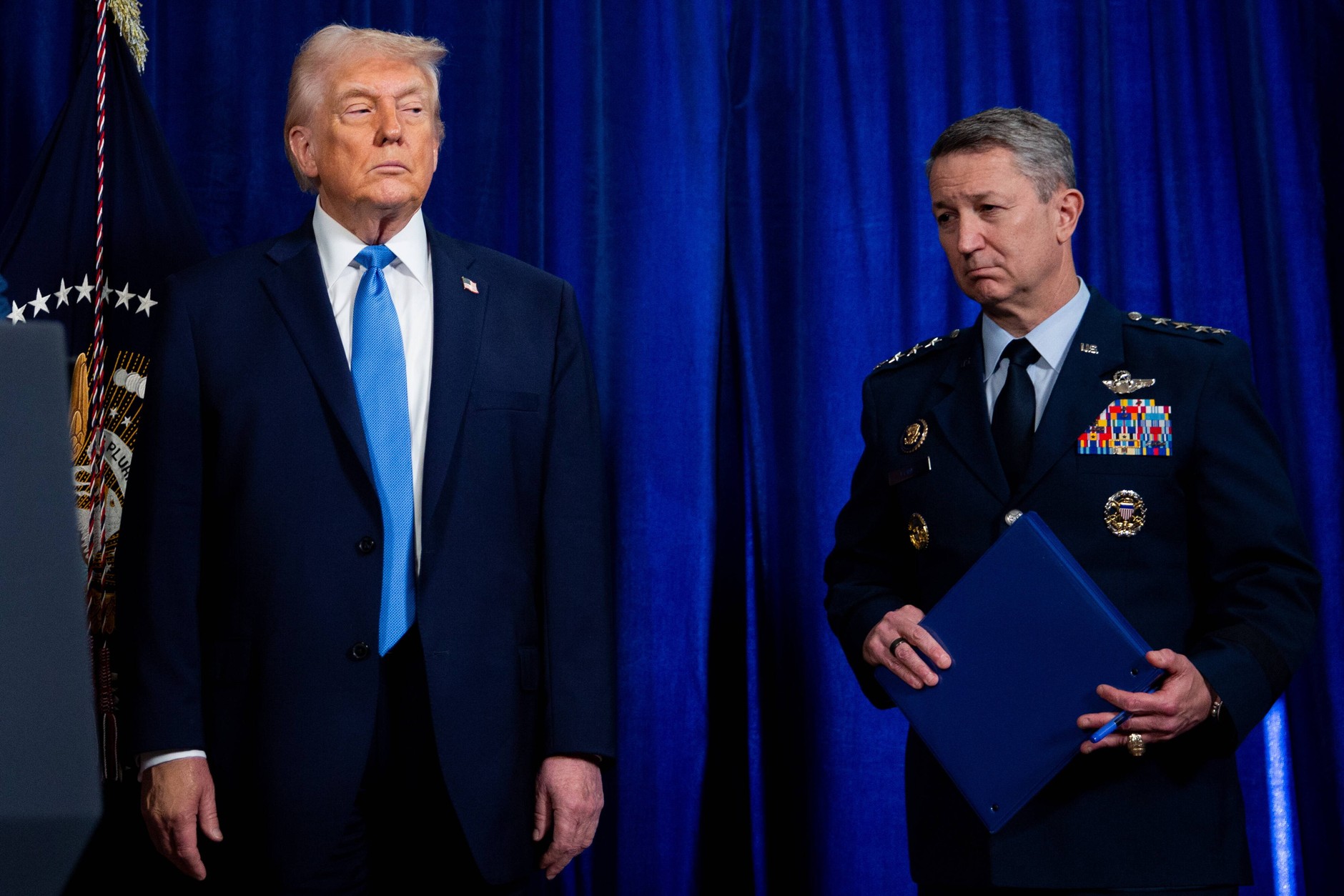
Donald Trump, President of the United States, and Gen. Dan Caine, Chairman of the Joint Chiefs of Staff, during a press conference. Palm Beach, January 3, 2026EPA/NICOLE COMBEAU / POOL / PAP
Caine also allegedly warned against the danger of a protracted conflict and against the depletion of ammunition supplies, e.g. for air defense systems. This situation could make The US will run out of resources for other potential conflictsfor example in Asia.
US military doctrine assumes that the armed forces should be able, if necessary, to conduct two large conflicts in different parts of the world at the same time. However, arms supplies to Ukraine in the war against Russia during the administration of Joe Biden significantly depleted American ammunition reserves — and the increase in production capacity will only start to impact inventories after some time.
Trump quickly denied reports of Caine's warnings on the Truth Social platform. According to him, it is “100 percent untrue” that the chief of the general staff had doubts. “General Caine, like all of us, does not want war, but if the decision is made to attack Iran, he believes it will be something we will easily win,” the US president said.
“Much smaller than the ones the U.S. fielded against Iraq in 1991 and 2003.”
Experts compare the current concentration in the Persian Gulf to… Operation Desert Fox against Iraq, carried out under President Bill Clinton in 1998. The four-day air operation, during which approximately 100 targets of Saddam Hussein's regime were attacked, was a classic retaliatory action intended to enforce compliance with the no-fly zone over northern Iraq, destroy the infrastructure of weapons of mass destruction and strengthen the UN sanctions regime against the country.
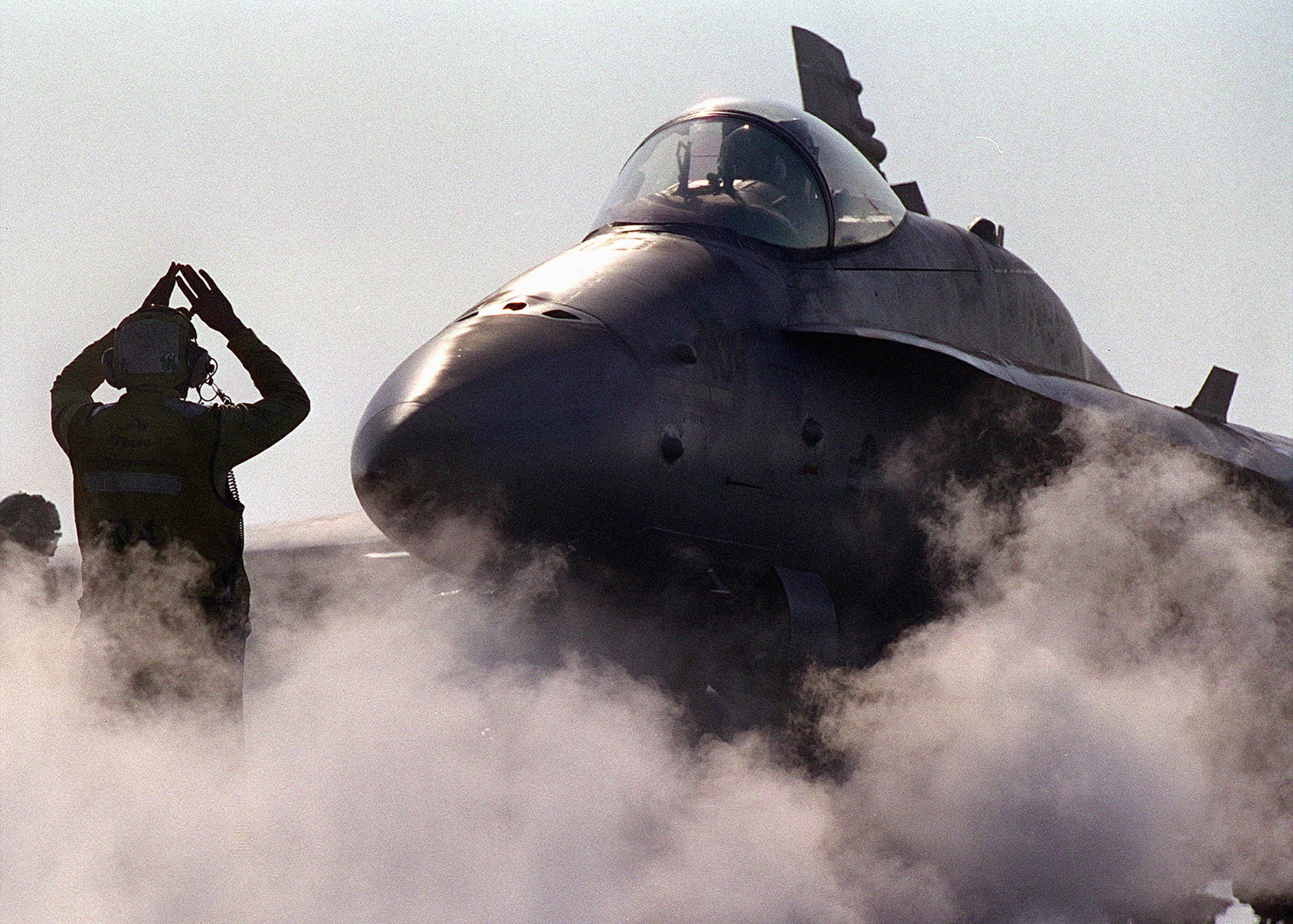
An F/A-18 Hornet fighter aboard the aircraft carrier USS Carl Vinson in the Persian Gulf, December 28, 1998.JOSE CORDERO, AFP-US NAVY / PAP
“A show of force that only the United States can provide on this scale.”
Fabian Hoffmann, a missile expert at the University of Oslo, assumes that a possible attack would be based largely on the model of the Israeli operation against Iranian nuclear installations last year. US Air Force – probably with Israeli support – they would first weaken and then destroy Iran's air defenses.
“Within hours, the United States and Israel will achieve complete air superiority over Iran” — wrote Hoffmann on X. “Then there will be a striking show of force that only the United States can provide on this scale.”
However, the biggest problem for the US and its allies would be Iranian retaliatory attacks. During the Twelve-Day War, Iran managed to launch approximately 550 ballistic missiles and 1,000 kamikaze drones at Israeli cities. Although Israel intercepted most of them, some of the missiles penetrated and struck into apartment blocks, a hospital, military cells, government buildings and energy infrastructure. Israel assumes that this time it will be the target of Iranian missiles – and is already preparing for it.
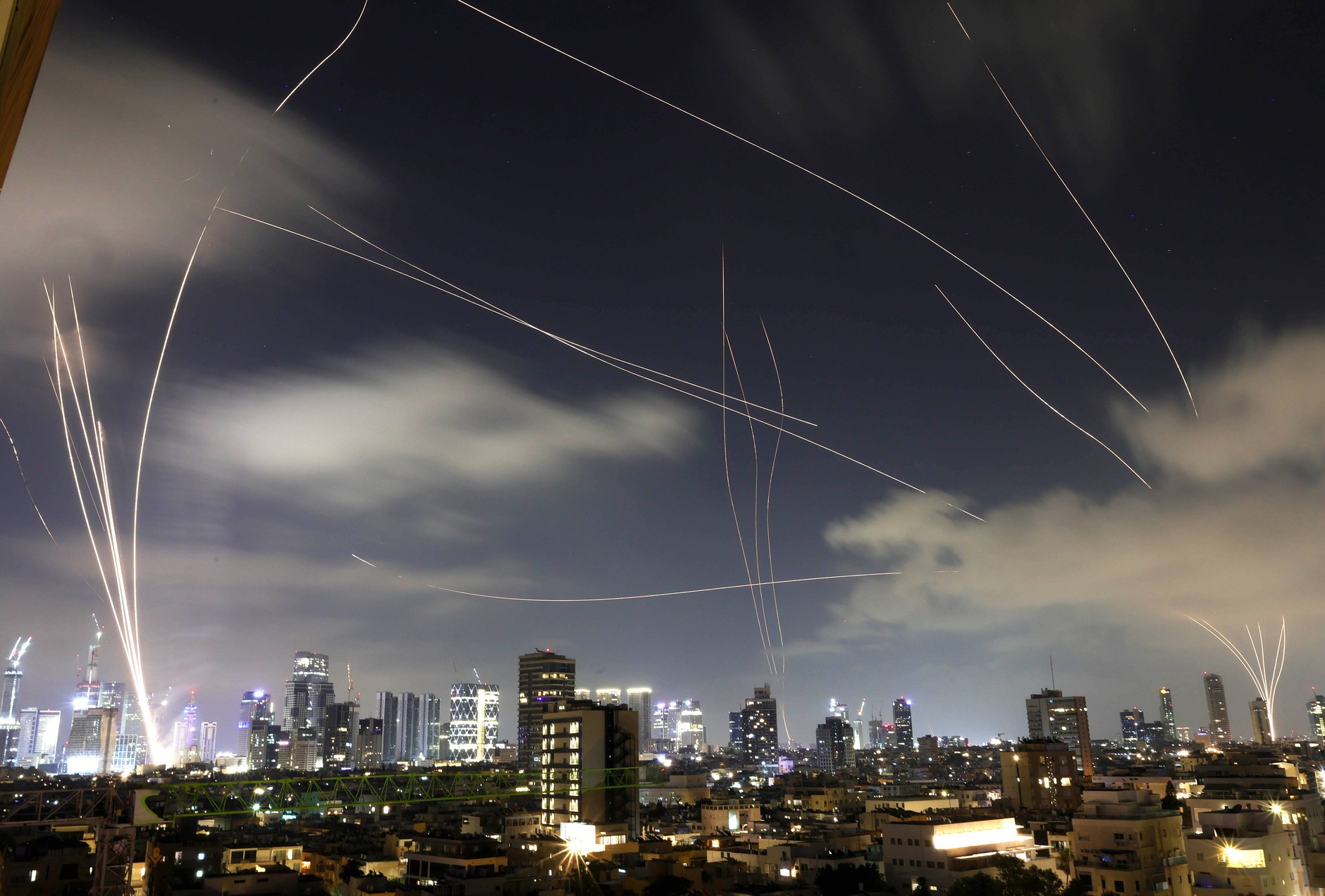
Iron Dome, an Israeli air defense system, intercepts Iranian missiles over Tel Aviv, June 17, 2025.EPA/ABIR SULTAN / PAP
“Iran's ability to conduct large-scale ballistic missile launches will be limited to one or two, perhaps three, large salvos” – Hoffmann predicts. – “Then the consumption of the TEL fleet [mobilnych wyrzutni pocisków — red.] will limit launches to sporadic, limited-range ballistic missile operations.”
In fact, Israeli fighters during the twelve-day conflict They hunted Iranian missile launchers more and more effectivelyso that as time passed, each successive salvo intended to overwhelm the Israeli anti-aircraft defenses became smaller and smaller.
Experts also assume that Iran may respond with terrorist attacks or with the support of its allies in the region, such as Shiite militias in Iraq or the Houthis in Yemen. Oil installations of U.S. allies in the Persian Gulf are also a possible target, which could sharply increase oil prices. Already in 2019, Tehran managed to damage the installations of the Saudi company Aramco in Abqaiq and Khurais with drones and cruise missiles.
“Iran's most likely strategy is prolonging the conflict and causing sufficient damage to U.S. forces and regional partners“to change public opinion in the United States,” says Hoffmann. This was the scenario that General Caine, the chief of the general staff, was supposed to warn against.