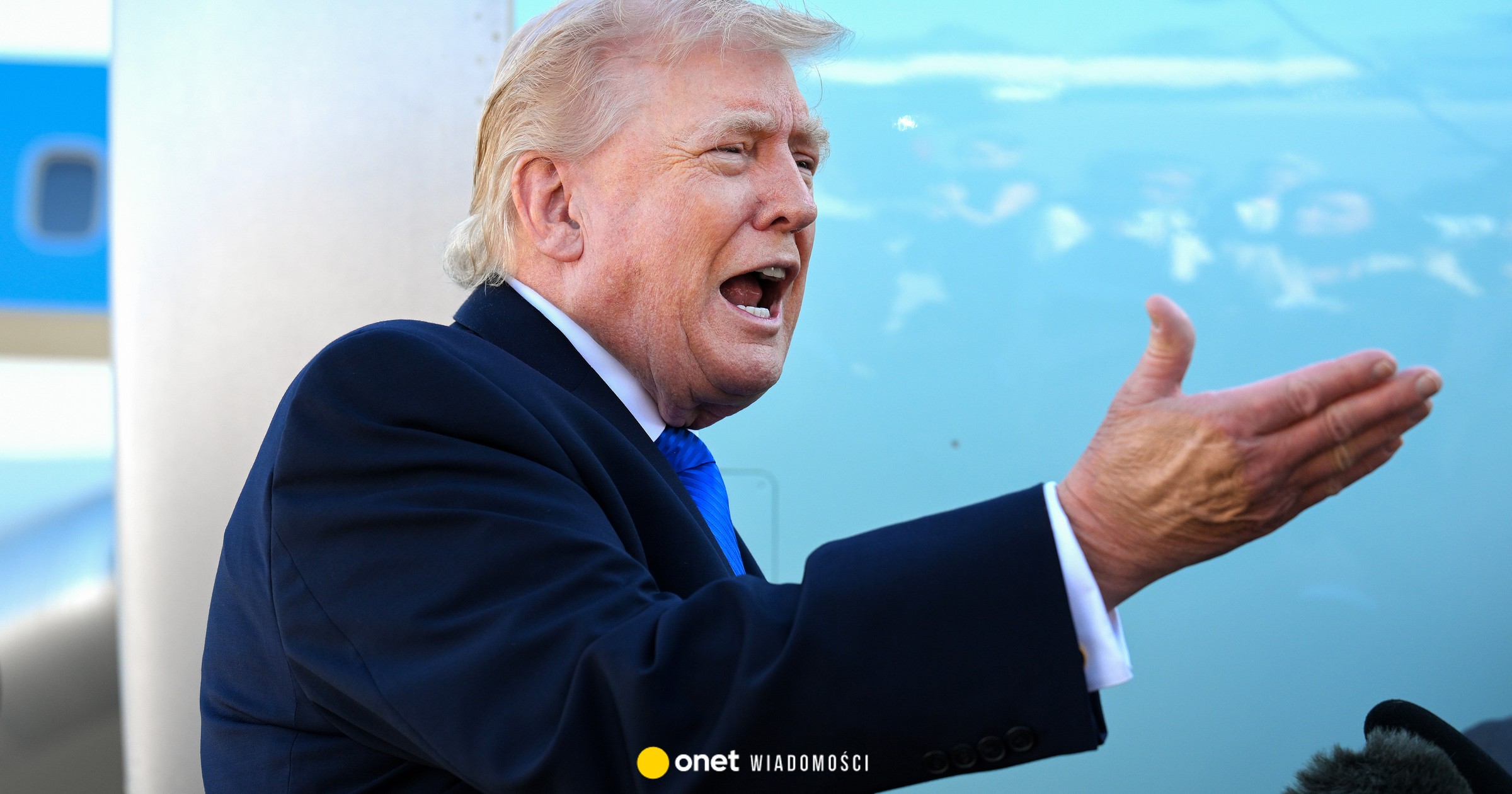
Amid the global price shock caused by the US-Iran conflict and accusations of White House inconsistency on energy policy, fossil fuel lobbyists have a clear message for the British government: we can no longer rely on the United States.
When Offshore Energies UK (OEUK), the country's largest oil and gas industry group, lobbied politicians this month, its aim was to promote increased gas production off the coast of Scotland.
The Gulf crisis was a reminder to unite with “key allies” in the name of the “national economic interest,” OEUK said in a letter sent to lawmakers in London and Scotland and seen by POLITICO.
The list of allies includes the EU and Canada. The United States, led by the man who keeps telling Keir Starmer “Drill, baby, drill” in the North Sea, was not there. Instead, the United States were treated as a threat to stability.
“Currently, the UK is increasingly reliant on imports of LNG (liquefied natural gas) from countries such as Qatar and the United States,” the letter said. The case for domestic gas, it has been argued, is strengthened by the instability resulting from Trump's war. These imports “are more expensive, more carbon-intensive and, as recent events have dramatically shown, vulnerable to geopolitical and supply chain disruptions.”
They used to be friends
It wasn't always like this. Since returning to the White House, Trump has repeatedly supported Britain's fossil fuel interests.
This is evidenced by comments made during his official visit last September. “I told him that for three days in a row. That's all he heard: “North Sea oil, North Sea,” Trump said, describing how he pressed Starmer to ease tough regulations and high taxes on drilling companies.
Trump claimed that these companies were begging him for help. — The British government takes 92 percent. revenues, so oil companies say they won't make it, he said during his stay in Davos. — They came to me. “Is there anything you can do?” – he claimed.
One industry insider said that last July, while Trump was visiting his Royal Turnberry golf course in Scotland, a copy of Aberdeen's local newspaper, The Press and Journal, was smuggled into his hotel room. This issue, with the headline “Help Us, Mr. President” and Trump's face on the front page, was a direct appeal to Trump to save the sector.
Donald Trump on the golf course in Balmedie, Scotland. July 29, 2025Jeff J Mitchell/Getty Images/Getty Images
Now, however, the industry has decided that it would be a wise political move to distance itself from its former ally.
— We will need oil and gas for many years to come. Anything that reduces our dependence on imports must be a good move, emphasizes a trade union representative associated with workers in the oil and gas sector.
“We've seen how unstable the world is right now, especially with someone like Trump in the White House doing more 180-degree turns than an Olympic snowboarder,” he notes.
– The British government is worried about the risk of Trump introducing an export ban – they are now starting to realize that stopping their own production and relying on allies is a risk, especially when one of our “friends” is so volatile – argues a second industry representative. The White House rejected allegations that it would introduce a ban on gas exports.
— We are creating a path in which the United States will meet our gas needs in the long term, fears a third industry representative. They called on the government to reduce “over-reliance on LNG, whether from Qatar, South America or North America.”
Environmentalists versus the gas lobby
The arguments of the oil and gas lobby have gained some support in Westminster.
Labor MP Henry Tufnell wrote in The Sun last week warned against becoming dependent on imports to meet the country's energy needs. Drilling off the coast of Scotland is a better option than “simply shifting the problem elsewhere and impoverishing our own communities,” he wrote.
However, this did not convince environmental groups. “The oil industry is selling a fantasy when it comes to the North Sea,” said Tessa Khan, head of anti-fossil fuel campaign group Uplift.
The article continues below the video
Julian Gallie, research director at polling firm Merlin Strategies, believes voters will look favorably on policies that reduce Britain's dependence on Trump and other energy exporters.
— Protecting the British energy sector from these shocks and reducing dependence on Trump or the Middle East would be a very popular move. The key to success will be who makes a stronger case for renewables or fossil fuels to end this dependence, but what the public wants first and foremost is domestically produced energy, regardless of the source, he says.
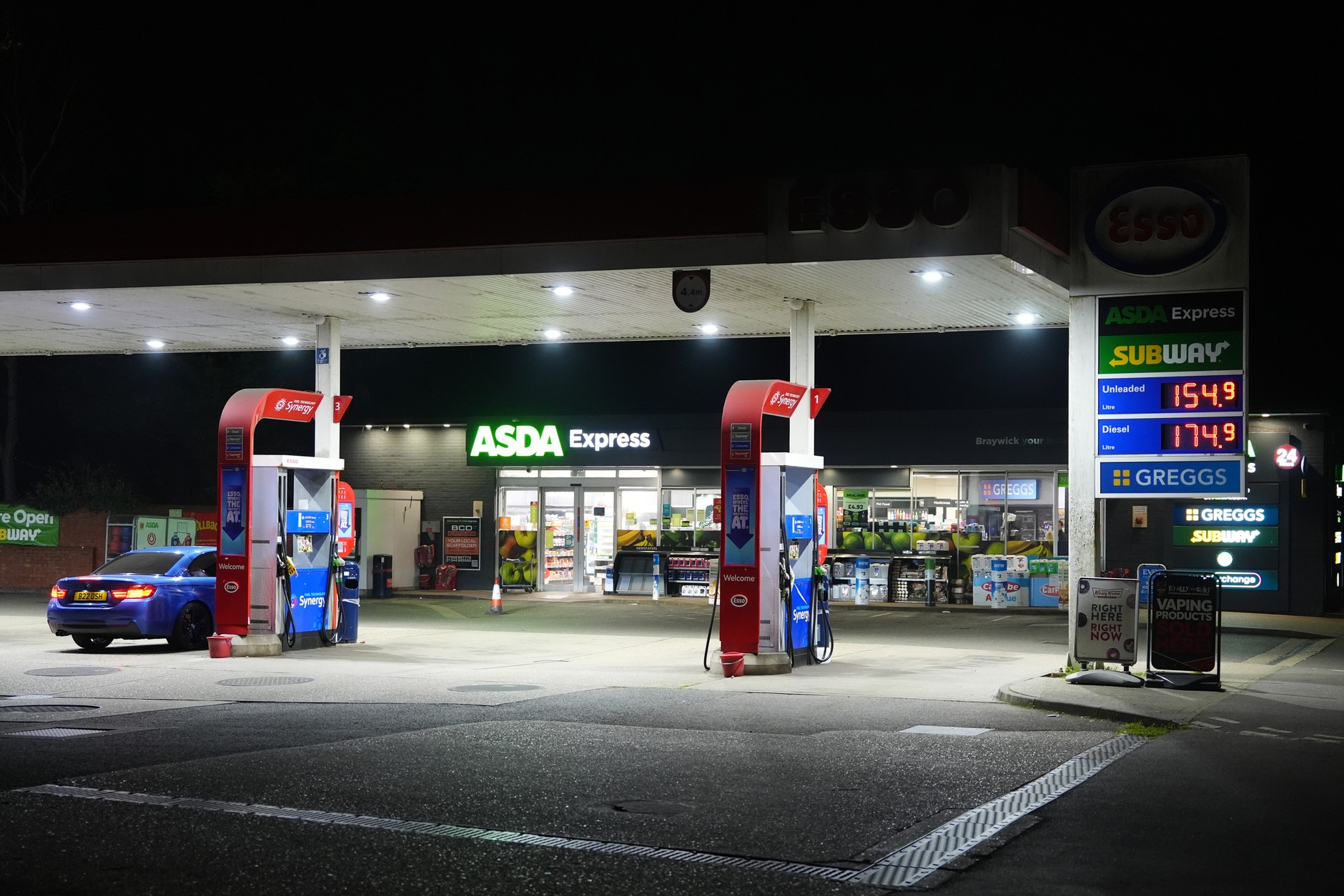
Fuel prices displayed at a petrol station in Maidenhead, UK, March 23, 2026.Jonathan Brady/PA Images via Getty Images / Getty Images
The government has responded to skyrocketing energy prices and supply concerns with a proposal to redouble efforts to meet its commitment to produce more and more clean energy, such as solar power and offshore wind.
– The events of recent days are another reminder that the only path to energy security and sovereignty for the UK is to become independent from fossil fuel markets, the prices of which we have no control over, and to switch to clean energy from our own sources, over which we do control, said Energy Secretary Ed Miliband at the beginning of the crisis.
“The only way to truly protect ourselves from these price spikes is to get off the rollercoaster of fossil fuel markets,” a government spokesman said.
Even for those on the other side of the fossil fuel debate, Trump is a risky ally. “Britain is importing energy today, more energy than ever before in our history,” OEUK chief executive David Whitehouse told the BBC this week. “I think in an unstable world this is not the best situation,” he added.
I’m Ashley Davis as an editor, I’m committed to upholding the highest standards of integrity and accuracy in every piece we publish. My work is driven by curiosity, a passion for truth, and a belief that journalism plays a crucial role in shaping public discourse. I strive to tell stories that not only inform but also inspire action and conversation.