China is on top, the EU wants guarantees. Here are the winners and losers of the Trump turnaround

The rest of the article below the video:
The Supreme Court found that the White House could not impose tariffs under the 1977 International Emergency Economic Powers Act (IEEPA). According to the court, Trump's tariffs have become a kind of tax on US citizens. And Congress must consent to this, and the US president had no right to justify the rates with an “emergency situation.”
Trump responded in his own style. He said the ruling was poorly written and the judges themselves were “fools and errand dogs” who were “very unpatriotic and disloyal to the constitution.” At the same time, under another law (the Trade Act 1974) introduced first 10 and then 15 percent. tariffs covering all countries trading with the US. Customs duties will still apply, including: for steel or wood – they result from other regulations (from 1962).
However, Trump's decision raises many more questions than answers. And it has also chilled the economic powers that could only recently announce success by reaching an agreement with the US president. And these included: Great Britain, India or the European Union.
The great fight for compensation
The Supreme Court did not directly address the issue of possible refunds of customs duties already obtained and possible compensation. Estimates indicate that as much as USD 134 billion will be collected from customs duties. from approx. 300 thousand enterprises.
The US president has already made it clear that the administration has no intention of giving up and a long legal battle will be necessary. However, it is known that hundreds of companies will be waiting in line.
“Quick refunds of prohibited tariffs will be important for over 200,000 people. small enterprises imports in the country and will help support stronger economic growth this year,” said Neil Bradley, director of policy at the US Chamber of Commerce, as quoted by the BBC.
Will those who compromise lose?
The new tariffs may affect countries that have previously decided to reach an agreement with the US administration. There were conflicting signals from the White House on this matter. The BBC, citing an anonymous White House official, indicated that countries that have concluded trade agreements with the United States, including Great Britain, India and the EU, will also have to face new global tariffs rather than the previously negotiated tariff rate.
However, the mood was officially toned down. U.S. Trade Representative Jamieson Greer told U.S. media on Sunday that U.S. trade agreements with China, the European Union and other partners will remain in force despite the ruling.
This is theoretically good news for business stability, but however, it significantly reduces the attractiveness of previously concluded contracts. It turned out that threats of rates of up to 30 percent, which effectively encouraged the conclusion of agreements, most likely could not come true.
The European Union is waiting for a move
The Supreme Court's ruling changes the perception of last year's deal between Donald Trump and Ursula von der Leyen. It assumed 15 percent tariffs on most products, as well as the community's commitment to import American energy resources. The agreements presented as a major achievement seem to be somewhat smaller today.
However, the game is still worth the candle. As Global Trade Alert calculates, the transition to new “default tariffs” from the White House would increase the EU's burden by approximately 0.8 percentage points, to an actual rate of 12.5%.
“A deal is a deal. As the United States' largest trading partner The EU expects the US to honor its commitments set out in the Joint Statement,” emphasized the European Commission's position on Sunday. Great Britain is also counting on preferential treatment and maintaining bilateral agreements.
On the other hand, the EU is waiting to see how the situation develops. The European Parliament is ready to suspend the vote on eliminating tariffs on American industrial products – one of the pillars of the previous agreement. The head of the trade committee, German social democrat Bernd Lange, gave an X rating and that we should wait for the situation to become clearer.
Poland on the happy side
In context agreement from the EU, it should be noted that the changes will most likely have a limited impact on Warsaw. Last year, the Polish Economic Institute calculated the effect of a potential rate of 15%. for domestic export. The conclusions were not dramatic – the economic cost of customs duties for Poland was approximately 0.22%. GDP, i.e. approx. PLN 8 billion.
Read more: These Polish industries will pay for Trump's tariffs. Germany will lose more anyway
India is a big winner
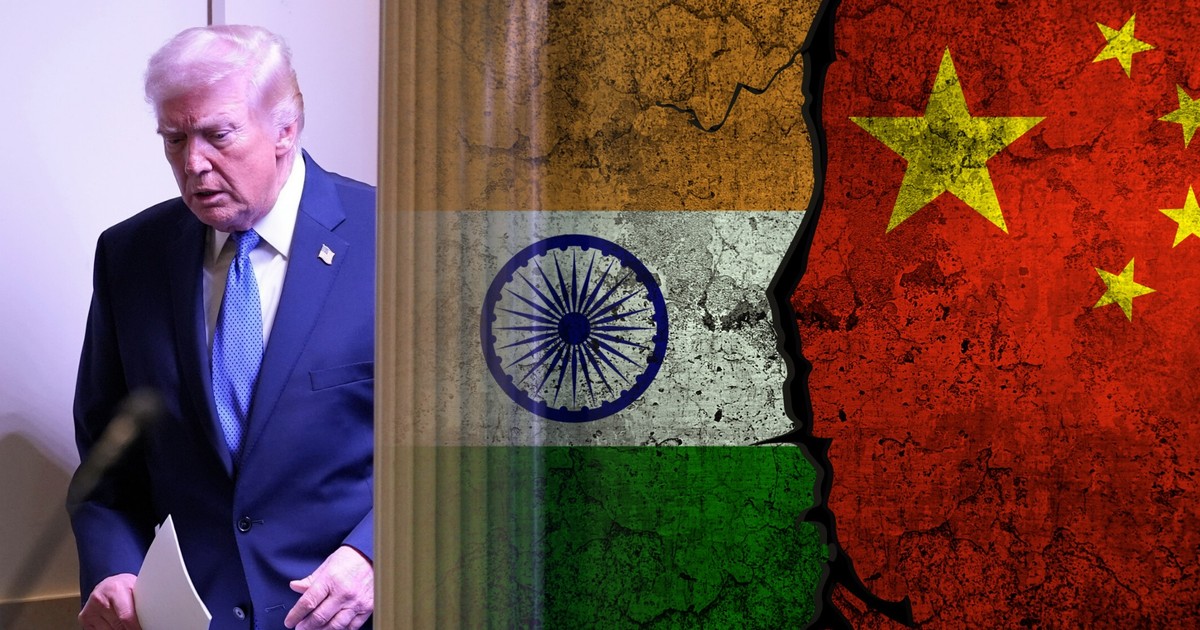
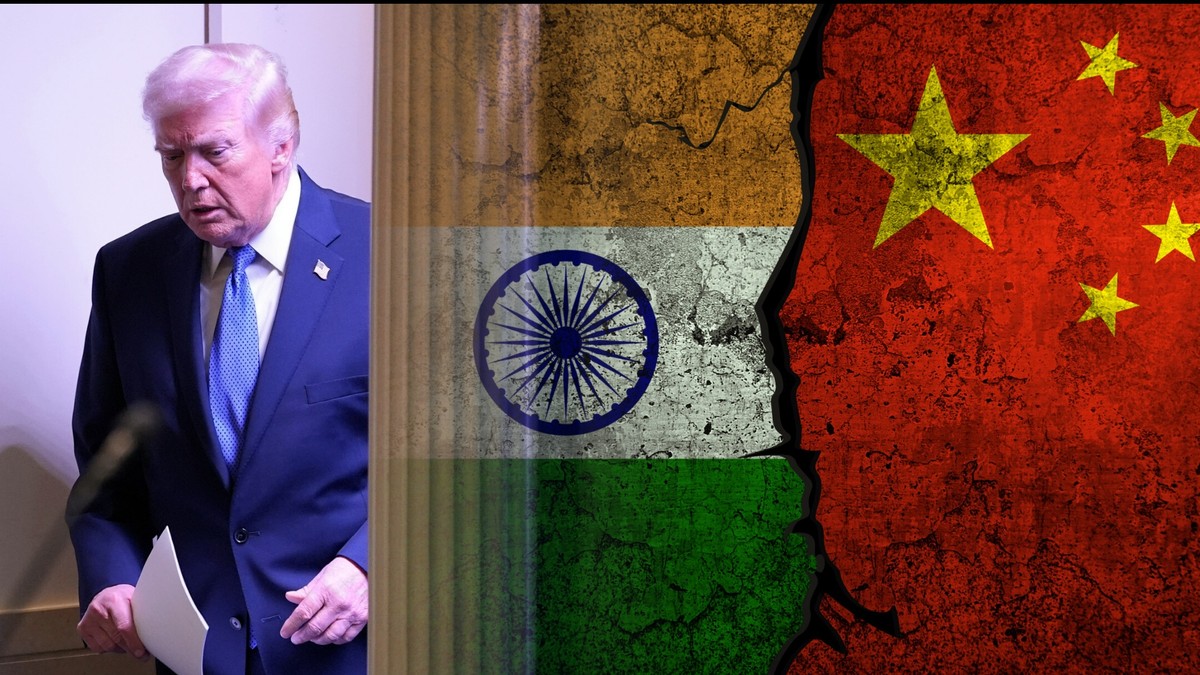
When the EU has the will to defend the agreements concluded, legal problems arise Trump's tariffs may put two Asian powers in a fairly good starting position: India and China.
The first country was subjected to one of Washington's highest tariffs – first at a rate of 25%. on goods imported by the US, and then 25 percent again. in connection with the receipt of Russian oil. Even the deal finally concluded between New Delhi and Washington in February was worse than the 15 percent rate currently being introduced. Narendra Modi and Donald Trump reached an agreement under which the rate on the most important products was to be 18%.
It is therefore not surprising that in the current situation, India is not eager to push for an agreement. According to local media, the working delegation canceled its talks with their American counterparts.
Not much is likely to change about Canada – most of the burdens are already regulated by the bilateral UMSCA agreementand the Supreme Court's decision did not apply to goods such as wood, steel or automotive. Ottawa, however, is wary of opening the deal in line with a soon-to-be-planned revision.
Countries that agreed to tariffs higher than the current 15 percent may lose out on bilateral agreements with the US. This includes: Cambodia and Indonesia.
China triumphs?
China, on the other hand, can look at the confusion with satisfaction, as it ultimately did not reach an agreement with the US and initially responded last year with retaliatory tariffs, even reaching over 100 percent. rates. Currently, both sides have “suspended” the trade war for a year. However, Morgan Stanley economists estimated on Monday that the new average tariffs on Chinese goods would fall from 32%. up to 24 percent
“China calls on the United States to abolish unilateral tariffs imposed on trading partners,” said the Chinese Ministry of Foreign Affairs. “There are no winners in a trade war, and protectionism leads nowhere,” we read. At the turn of March and April, Donald Trump is going to China to talk, among other things, on trade policy, but also on support for Taiwan.
Grzegorz Kowalczyk, journalist of Business Insider Polska