A former taxi driver from Krasnodar would have played a key role in organizing Russian sabotage in Europe

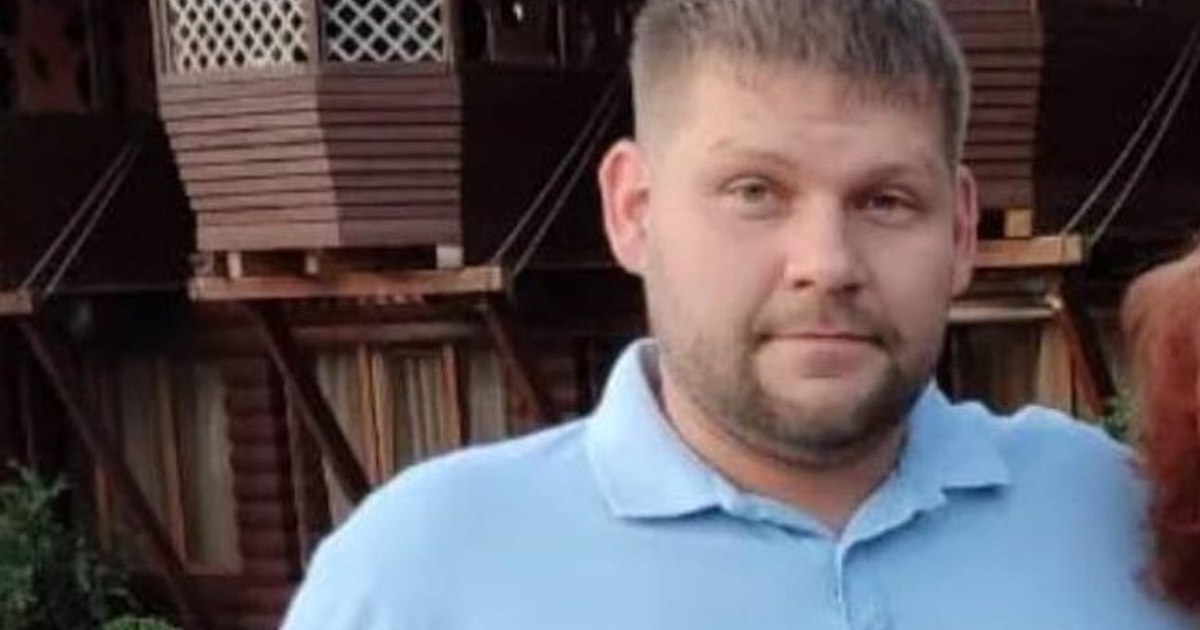
A 42-year-old former taxi driver from Krasnodar allegedly played a central role in organizing acts of sabotage attributed to Russia on the territory of Europe, according to an investigation published by The New York Times (NYT), which cites court documents and discussions with officials of the security services of five European countries.
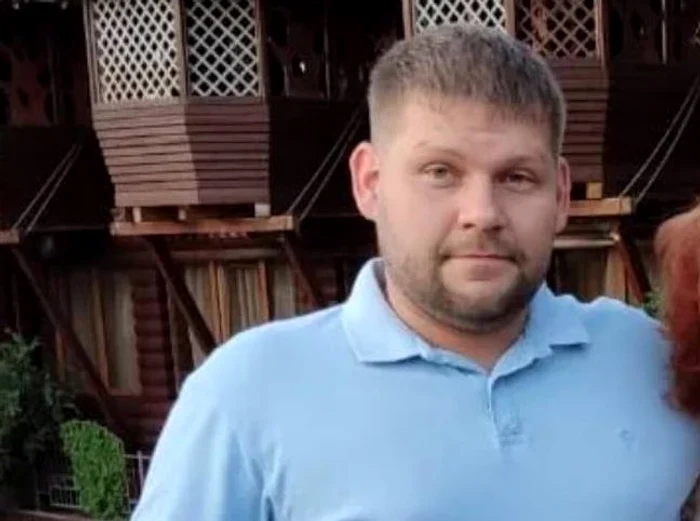
Aleksei Kolosovski, key role in the organization of Russian sabotage in Europe/FOTO:X
According to the American publication, Aleksei Kolosovski would have been responsible for the recruitment of people involved in several incidents in the summer of 2024, which Western services classified as diversionary acts. These include parcel explosions in logistics warehouses in the UK, Germany and Poland, the burning of an IKEA store in Vilnius and a fire at a shopping center in Warsaw.
Western authorities have accused Russia of involvement in these actions. According to the NYT, Kolosovski — who still lives in Krasnodar — is neither a career intelligence officer nor an undercover agent, but rather a “service provider” who allegedly worked closely with Russia's military intelligence service, known as the GRU (Main Intelligence Directorate of the Russian military).
Recruitment via Telegram
Two officials cited by the NYT say that Kolosovski first came to the attention of Western services after two arsons in May 2024. On May 8, a Ukrainian teenager allegedly placed an incendiary device with a timer in an IKEA store in Vilnius, which ignited the next morning. Prosecutors say the date was deliberately chosen. Around the same time, a major wholesale and retail trade center in Warsaw was engulfed in flames. Polish authorities blamed Russian services and announced the closure of the Russian consulate in Krakow.
According to the investigation, Kolosovski allegedly recruited people through a Telegram account called “Warrior”. They would also have coordinated the delivery of detonators and equipment for the manufacture of explosive devices, placed in storage lockers in railway stations, from where they were later taken by those recruited.
Court documents and information provided by European services indicate that he was also involved in the explosions of parcels in logistics warehouses in the United Kingdom, Germany and Poland, coordinating people who monitored the transport and distribution of the necessary materials.
A modest life and controversial connections
Public information about Kolosovski is limited. According to the NYT, he lived modestly and frequently had financial difficulties. In the past, he is said to have been registered as a driver in a taxi service and had a conviction for fraud.
However, Western services claim that, beyond this appearance, Kolosovski had links to online networks involved in smuggling, disclosure of personal data, extortion and the sale of false documents. He was also allegedly associated with the hacker group KillNet, known for cyber attacks on Ukrainian and European websites after the Russian invasion of Ukraine.
A leak attributed to a rival group allegedly linked Kolosovski to the Telegram account “@warriorkillnet”.
Possible recruitment by the GRU
In 2021, Kolosovski would have been detained, but the reasons are not clear. Western officials believe he may have been recruited by Russian military intelligence at the time. After 2022, such collaborators — without formal officer status — would have been used more frequently, amid the expulsion of dozens of Russian diplomats from Europe.
According to the NYT, President Vladimir Putin would have directly appealed to the GRU to intensify foreign operations.
An important role in the structure of the Russian military services would go to General Andrei Averyanov, former commander of the GRU unit 29155 — a unit believed to be responsible for sabotage operations abroad. After the start of the full-scale war in Ukraine, he was reportedly promoted to the position of deputy head of the GRU. Western sources interpret this advance as a sign of the increasing importance of sabotage actions in the confrontation between Moscow and the West.
Recent difficulties
According to the NYT, Kolosovski is currently facing difficulties. After the warehouse explosions, he was allegedly summoned to the regional headquarters of the FSB in Krasnodar, where his electronic devices were checked. Some sources claim that the publicity of the case would have generated high-level discontent in Moscow.
It is also said that he would have encountered financial problems, possibly after using his own funds to finance part of the operations and later trying to get the expenses reimbursed.
Since the start of the 2022 invasion, Kolosovski would not have left Russia. However, officials in two European countries say he recently looked online for real estate in London — a possible indication that he is considering either a move abroad or an eventual departure from Russia, The New York Times notes.