The two foods that can increase the risk of cancer. An oncology dietitian reveals what to avoid

Changes in lifestyle and unbalanced diet are increasingly contributing to health problems.
A dietitian explains which foods really increase the risk of cancer. PHOTO Shutterstock
Dietitian oncologist Nichole Andrews explains which foods really increase the risk of cancer and debunks a number of myths circulating online.
The specialist, with 15 years of experience in the nutrition of cancer patients, says that she frequently hears claims that sugar, beef, gluten, diet juices or vegetable oils cause cancer. However, she claims that only two categories of products are directly associated with an increased risk of cancer: processed meat and alcohol consumption.
In a statement to Newsweek, Andrews said alcohol increases the risk of six types of cancer: breast, colorectal, esophageal, liver, mouth and throat, and gastric cancer. She warns that even moderate consumption can have long-term negative effects.
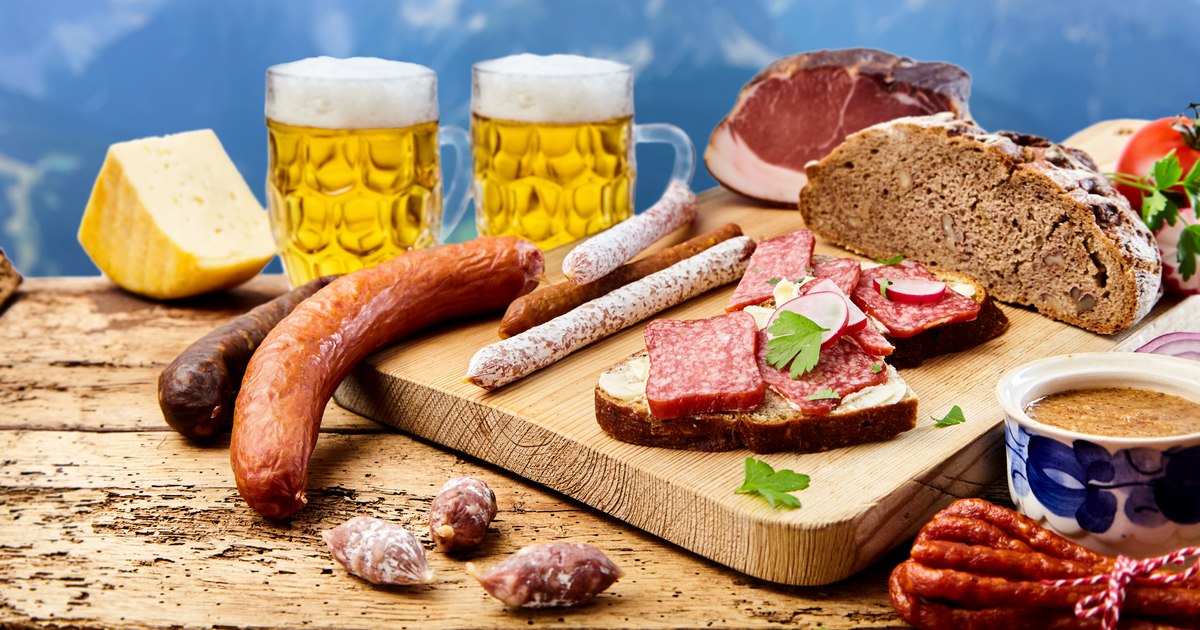
Regarding processed meat, the dietician explained in the video that “those pre-cooked deli meats in stores, such as hot dogs, sausages, bacon or sliced deli meats, increase the risk of colon cancer”. Otherwise, she says, there are no other foods that, taken individually, directly lead to cancer, which she believes is “good news”.
Andrews urges people not to believe all the alarmist warnings promoted by social media influencers and to focus on a balanced diet.
She also pointed out that obesity is a proven risk factor for at least 13 types of cancer because it promotes chronic inflammation and hormonal imbalances.
“It's not the sugar itself that's the problem, it's the overall caloric balance and body fat”she explained. According to her, all cells, including cancer cells, use glucose for energy, and complete removal of sugar does not “starve” cancer cells, because the body can also produce glucose from protein or fat.
Conversely, a diet rich in plant-based foods—vegetables, fruits, whole grains, legumes, nuts, and seeds—may help reduce cancer risk. They contain fiber, antioxidants, and phytonutrients that reduce inflammation, support the gut microbiome, and protect cells from damage. Andrews also recommends quality animal protein, such as fish, eggs, poultry or lean meat, combined with plenty of vegetables.
His message was appreciated by many users, who asked questions about dairy consumption, nitrate-free products or personal experiences with cancer, a sign that the topic remains one of great public interest.