The French now have a new archenemy. This is what a brutal power struggle looks like

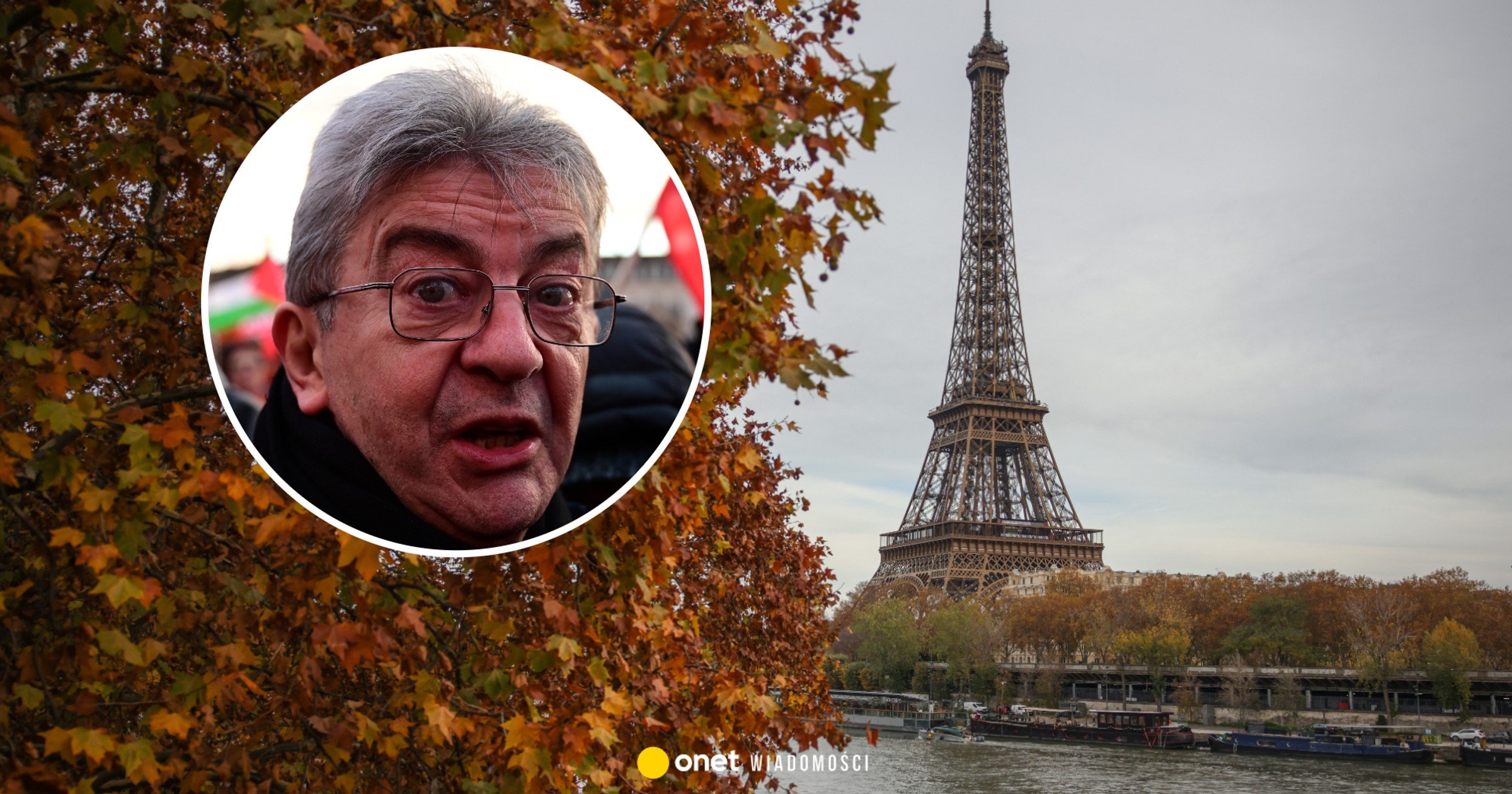
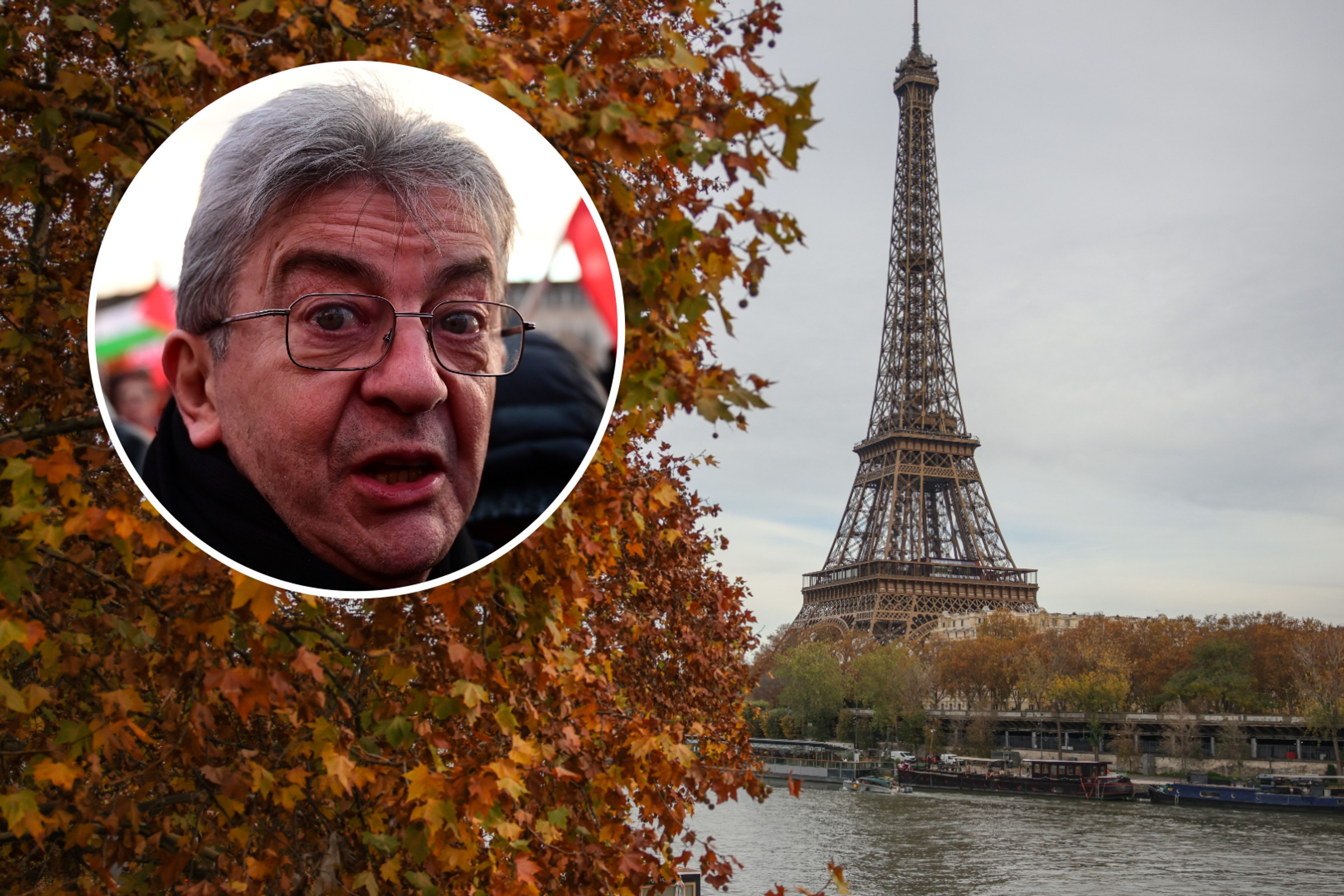
Melenchon and his anti-capitalist party France Niepokorna emphasize that their movement is peaceful and refute accusations that they are responsible for the fight that ended with the murder of 23-year-old Quentin Deranque.
But the far-right National Rally party — and, to a lesser extent, the conservative Republican party — are using the tragedy to portray Melenchon as a dangerous demagogue.
Centrists such as French President Emmanuel Macron and Prime Minister Sebastien Lecornu also got into the game.
They both call on the party to “clean house” and tone down its rhetoric.
However, stoking anti-melenchon sentiments is beneficial for the increasingly popular National Assembly, which has been trying for years to enter the mainstream and convince voters that it should no longer be associated with its founder, Jean-Marie Le Pen, who downplayed the Holocaust.
Former conservative prime minister and likely 2027 presidential candidate Dominique de Villepin has said he believes the current “demonization” of Melenchon's party has only one goal: “legitimizing the rise to power” of the French far-right.
The National Assembly is trying to make France Unruly [to francuska partia polityczna reprezentująca nurty demokratycznego socjalizmu, ekosocjalizmu i alterglobalizmu, założona przez Melenchona] a “deplorable” formation. And it looks like that the far-right strategy is bearing fruit.
A survey conducted after Deranque's death by the independent research firm Odoxa found that only 11 percent respondents believe that Melenchon responded to the incident appropriately.
61 percent respondents believe they are ready to vote in next month's local elections to block Defiant France from coming to power – just as voters did earlier when they wanted to block the far right.
Bardella's call to block Melenchon's actions
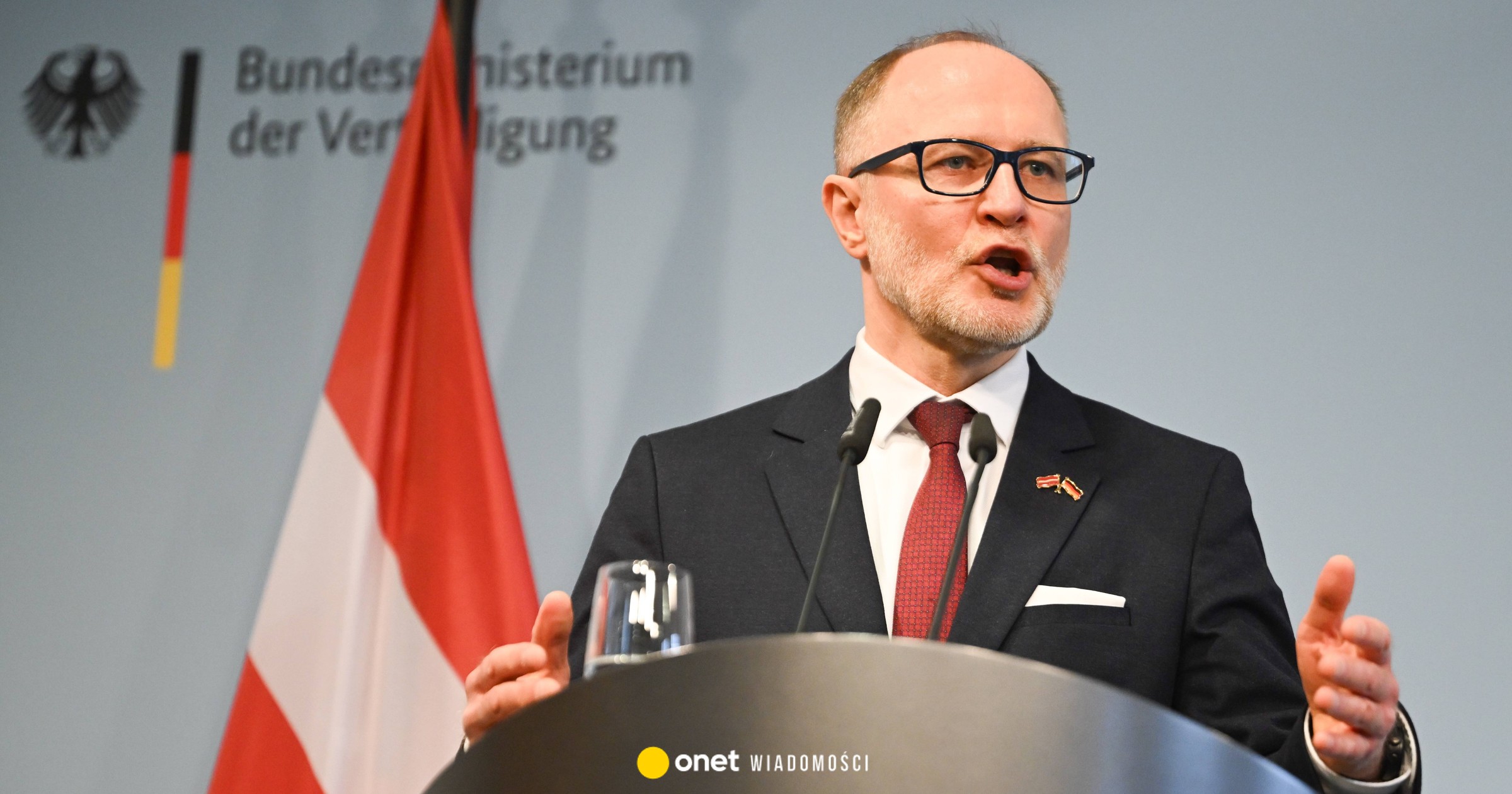
Tensions are rising on the French political scene, and the president of the National Assembly [to izba niższa francuskiego parlamentu] Jordan Bardella called for the creation last week cordon sanitaireThat is Exclusion Pact against the Indomitable France.
He then asked officers of the National Assembly to refrain from attending rallies commemorating Deranque, fearing such events may turn into acts of violence.
The strategy is clear. Bardella and his allies are trying to present their party as a victim of the aggressive left, which is becoming more and more radical.
Niepokorna Niepokorna is heading in the completely opposite direction [do naszego]
– says Pierre-Romain Thionnet, MEP of the National Assembly, a close associate of Bardella.
The thesis that the dangerous left is taking over France is clearly gaining ground — even though historically most political violence in France has been committed by the far right.
“We condemn both the extreme left and the extreme right,” says an anonymous government official. – However, in France there is a certain leniency towards the extreme left, a kind of romanticism towards the radical left, which is dangerous – he adds.
Melenchon, for his part, has long been a controversial figure in French politics, including due to its refusal to immediately condemn the Hamas attack on Israel on October 7, 2023.
This opinion has been reinforced in recent days, when the politician praised the spirit of “resistance” of the Young Guard, a disbanded anti-fascist group co-founded by an MP from the Unruly France, which was accused of participating in the fighting. Melenchon also blamed the authorities for the violence and attacked the speaker of the National Assembly for suspending a parliamentary assistant who is currently under investigation for his role in the case.
The left is under pressure
Although Melenchon ultimately condemned the violence and said last week that “nothing justifies the death of young Quentin,” the combative tone of France's response to Deranque's death has put other leftist parties in a difficult position.
Two-round local government elections will be held next month, and any candidate who obtains more than 10 percent in the first round will vote. votes, goes to the second round. This means that victory often depends on strategic alliances and convincing a like-minded adversary to swallow their pride and join forces.
However, after Deranque's death, cooperation with Francia Niepokorna may turn out to be risky.
The left-wing Socialist Party said it had severed ties with Melenchon and his team after the incident. But she will likely need far-left votes to succeed in the second round of elections against conservative or far-right opponents.
— In cities like Paris and Marseille, the choice of the voters of the Indomitable France could be decisive, Mathieu Gallard, a pollster from Ipsos, tells POLITICO. — In the face of the demonization of this formation by the National Union, the right and some of Macron's supporters, can socialists form alliances with the extreme left?
Looking further into the future, one of the representatives of the Socialist Party warns against excluding an experienced politician like Malenchon more than a year before the presidential elections, in which Bardella or Marine Le Pen will be the leaders in the National Rally polls.
“Jean-Luc Melenchon is very intelligent and very methodical in his political strategy,” one official says anonymously in an interview with POLITICO. — He adopts a strategy that leads him to the political margins […] but he also has ambitions to take over the leadership of the left.