How Ukraine's arsenal has changed in four years of war: from Soviet weapons to domestically developed drones and missiles

Four years after the start of the large-scale invasion launched by Russia, Ukraine's arsenal has been profoundly transformed. If in February 2022 the armed forces were largely based on technology inherited from the Soviet era, in 2026 the battlefield is dominated by modern Western systems, locally produced drones and digital technologies assisted by artificial intelligence, writes Focus.ua.
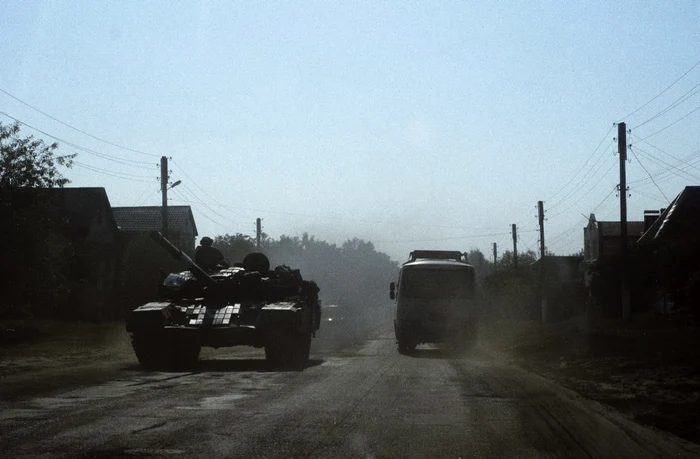
Ukrainian tanks/PHOTO: EPA/EFE
What did Ukraine go to war with?
On February 24, 2022, when Russian troops crossed the border, Ukrainian units met the armored columns using mainly 20th-century weaponry. Among the systems visible in the first weeks were man-portable anti-tank launchers such as the FGM-148 Javelin and NLAW, alongside Soviet equipment such as the 9K37 Buk anti-aircraft missile systems.
Multiple Soviet-made rocket launchers and self-propelled howitzers operated on the front line, and air forces on both sides used MiG and Sukhoi aircraft. Navally, Russia held the upper hand, at a time when Ukrainian maritime drones were not yet playing a significant role.
Data from the Global Firepower Project showed that in 2022, Ukraine had about 2,500 tanks and 1,000 self-propelled artillery systems. Four years later, their number has decreased considerably. Yet despite the losses, the front line changed relatively little—an indication of the profound change in the way the war was waged.
Western support and the transition to NATO standards
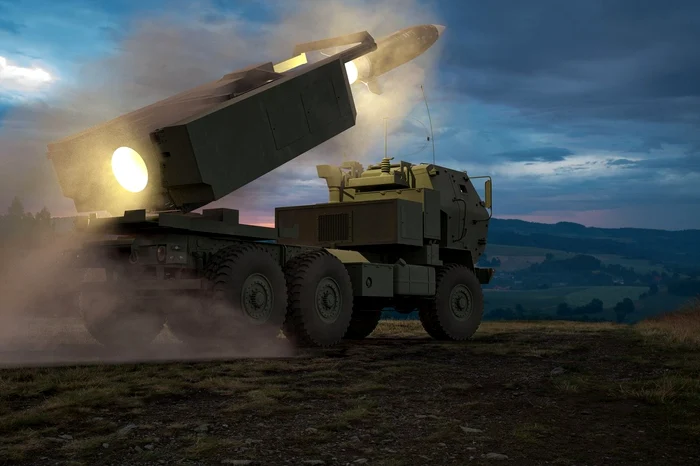
During 2022–2024, Ukraine began receiving Western weaponry, marking the gradual transition to NATO standards. Among the first systems delivered were M777 howitzers and M142 HIMARS multiple rocket launchers, capable of hitting targets tens of kilometers away with superior accuracy.
In 2023, the so-called “tank coalition” was formed, and the Leopard 2, M1 Abrams and Challenger 2 arrived at the front.
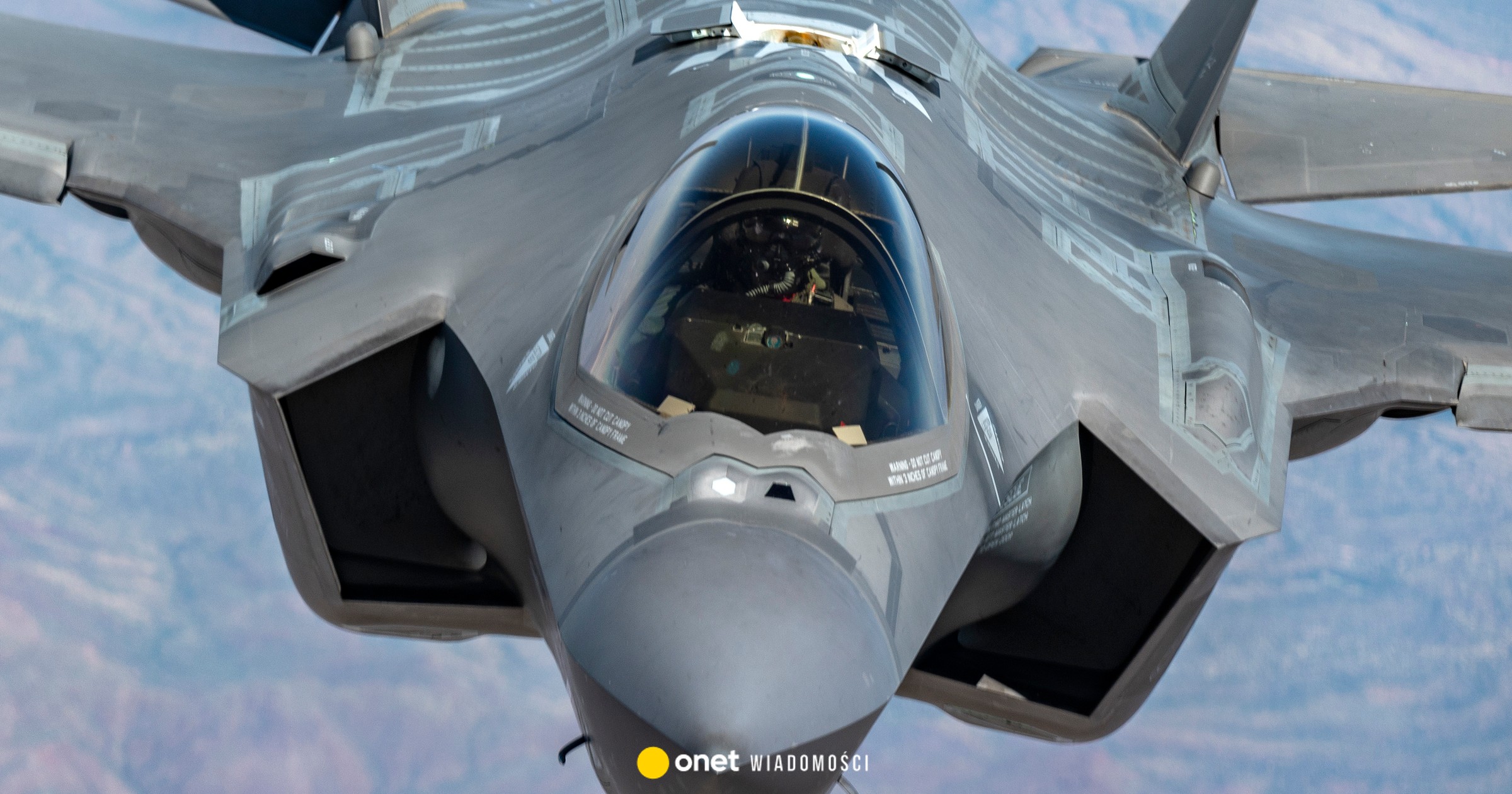
Another turning point was the delivery of the F-16 Fighting Falcon aircraft, followed later by the Dassault Mirage 2000. In parallel, Western partners contributed to strengthening air defense through systems such as the MIM-104 Patriot.
These equipment provided Ukraine with greater range and increased accuracy. However, Western support also came with restrictions on the use of long-range weapons against targets inside the Russian Federation.
Domestic production and the “drone age”
In parallel with the foreign aid, the Ukrainian defense industry accelerated its production. An example is the “Bohdana” self-propelled howitzer, caliber 155 mm, mass-produced starting in 2024.
The most visible change, however, has been the explosion of drone use. As of 2023, Ukraine has developed and widely used first-person view (FPV) drones, reconnaissance drones, and long-range kamikaze drones.

Maritime drones have targeted military ships and strategic infrastructure hundreds of kilometers away, tipping the balance in the Black Sea. At the same time, ground robotic platforms were introduced for logistical transport, evacuation of the wounded or demining operations.
In the missile segment, Ukraine has announced the use of upgraded versions of the “Neptune” system, as well as the development of missiles and missile drones with an extended range, capable of hitting targets hundreds or even thousands of kilometers away.
Digitization and artificial intelligence
The transformation was not only technical, but also digital. The Ukrainian military has implemented IT systems for coordinating operations and managing the battlefield in real time.
Artificial intelligence-based technologies allow drones to navigate autonomously and identify targets even in electronic jamming conditions, according to officials. Such capabilities have contributed to the emergence of a “no-go zone” on certain sectors of the front, where any movement is quickly detected and can become a target.
A change of tactics
The evolution of the arsenal was accompanied by a transformation of tactics. If in the first months of the war the confrontations often involved columns of tanks and massive artillery, in 2026 the battles are marked by the intensive use of drones, layered defensive lines and slow advances.
Analysts at the Center for Strategic and International Studies (CSIS) have described the conflict as one of attrition, characterized by slow advances and significant losses on both sides.
Four years after the start of the invasion, Ukraine presents a model of accelerated military adaptation: from dependence on Soviet stockpiles to the integration of Western technologies and the development of its own capabilities, in a conflict that continues to redefine the nature of conventional warfare in Europe.