Wave of uncertainty for European companies after US Supreme Court overturns tariffs: “It's not a silver bullet, it's just a new complication”

The United States Supreme Court's decision to overturn a large part of the trade tariffs imposed by President Donald Trump brings a wave of uncertainty for European companies – from wine and whiskey producers to the chemical and cosmetics industries. Although the decision represents a victory for the companies that contested these tariffs, analysts and organizations in Europe warn that trade relations are becoming even more unpredictable, reports Reuters.
The US Supreme Court on Friday struck down sweeping tariffs imposed by Trump under a national emergency law, rejecting one of the most controversial claims of the US president's authority.
Trump responded immediately and announced new global tariffs of 10 percent for an initial period of 150 days, without clarifying whether the firms would ever receive refunds for previous payments.
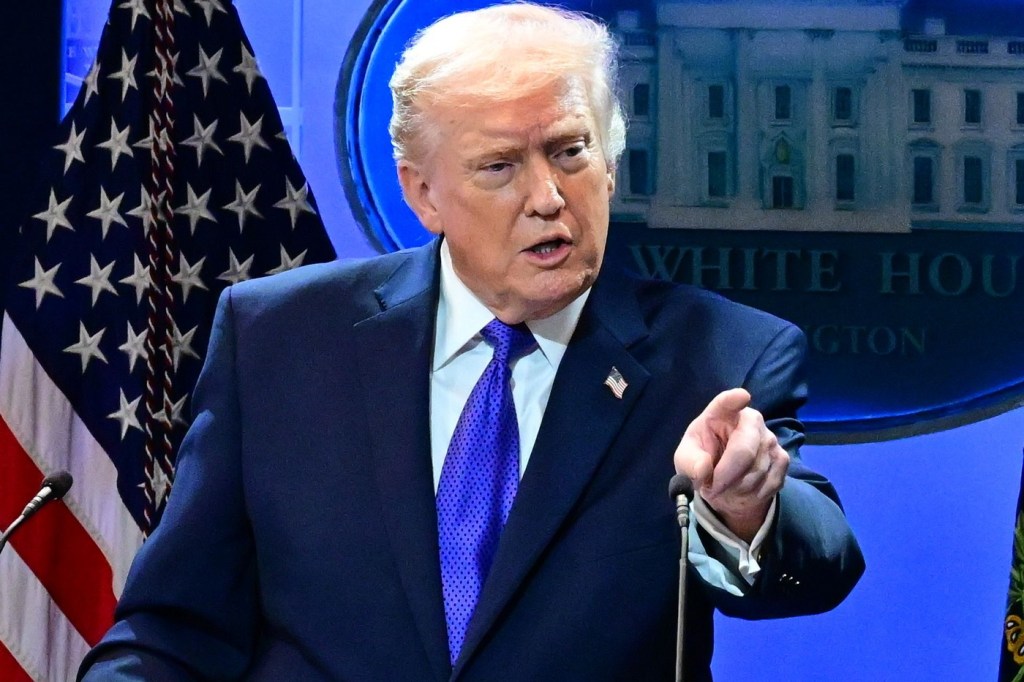 Trump fires back at Supreme Court: He signed a new 10% global tariff right after judges blocked his tariffs. Two countries will be exempted
“A Boomerang Effect”
Many companies warn that Donald Trump is likely to seek other legal tools, fueling new tensions with major trading partners.
“The main issue everyone will face, at least in the short term, is more uncertainty,” said Steve Ovara, chairman of the international trade practice group at law firm King & Spalding, which advises U.S. manufacturers, consumer goods companies and technology firms.
According to him, most customers expect any easing of the tariff burden to be short-lived.
“This decision risks producing a boomerang effect, generating even more uncertainty and the freezing of orders, while operators await a clearer regulatory framework,” said Paolo Castelletti, secretary general of the Italian wine association UIV, writes Reuters, according to News.ro.
The United States is the main market for Italian wines, with exports of approximately 1.9 billion euros in 2024, which is almost a quarter of Italy's total wine shipments globally.
“A new round of uncertainty”
The same line of warning comes from the German chemical industry.
“For our companies, it is not the beginning of a phase of stability, but a new round of uncertainty. Anyone who thinks this means the end of the tariff conflict is wrong,” said Wolfgang Grosse Entrup, managing director of the German lobby VCI, which represents firms such as BASF, Bayer and Evonik.
“New tariffs, based on a different legal basis, can be introduced at any time,” he added.
Political risks continue to hover over logistics chains. Peter Sand, chief analyst at shipping pricing platform Xeneta, said the trend for companies to de-risk their supply chains was an “irreversible” process. “The damage already suffered by many supply chains is largely done and likely will not be reversed,” he said.
In France, the association of cosmetics manufacturers FEBEA, which has companies such as L'Oréal among its members, is taking a cautious stance on the decision and is watching how the American administration will react. “We are already used to the twists and turns in this matter of customs duties,” said Emmanuel Guichard, secretary general of FEBEA.
“It's just a new complication”
And the Italian agricultural sector sees a mixed picture. Massimiliano Giansanti, president of the Confagricoltura organization, believes that the Supreme Court's decision “demolishes the entire legal basis” of Trump's tariffs, but warns that, at the same time, it complicates things for exporters, just when they had adapted to the new conditions.
“All this generates deep instability at a time when we need certainty and when we had already begun an adjustment process together with our American importers,” he said.
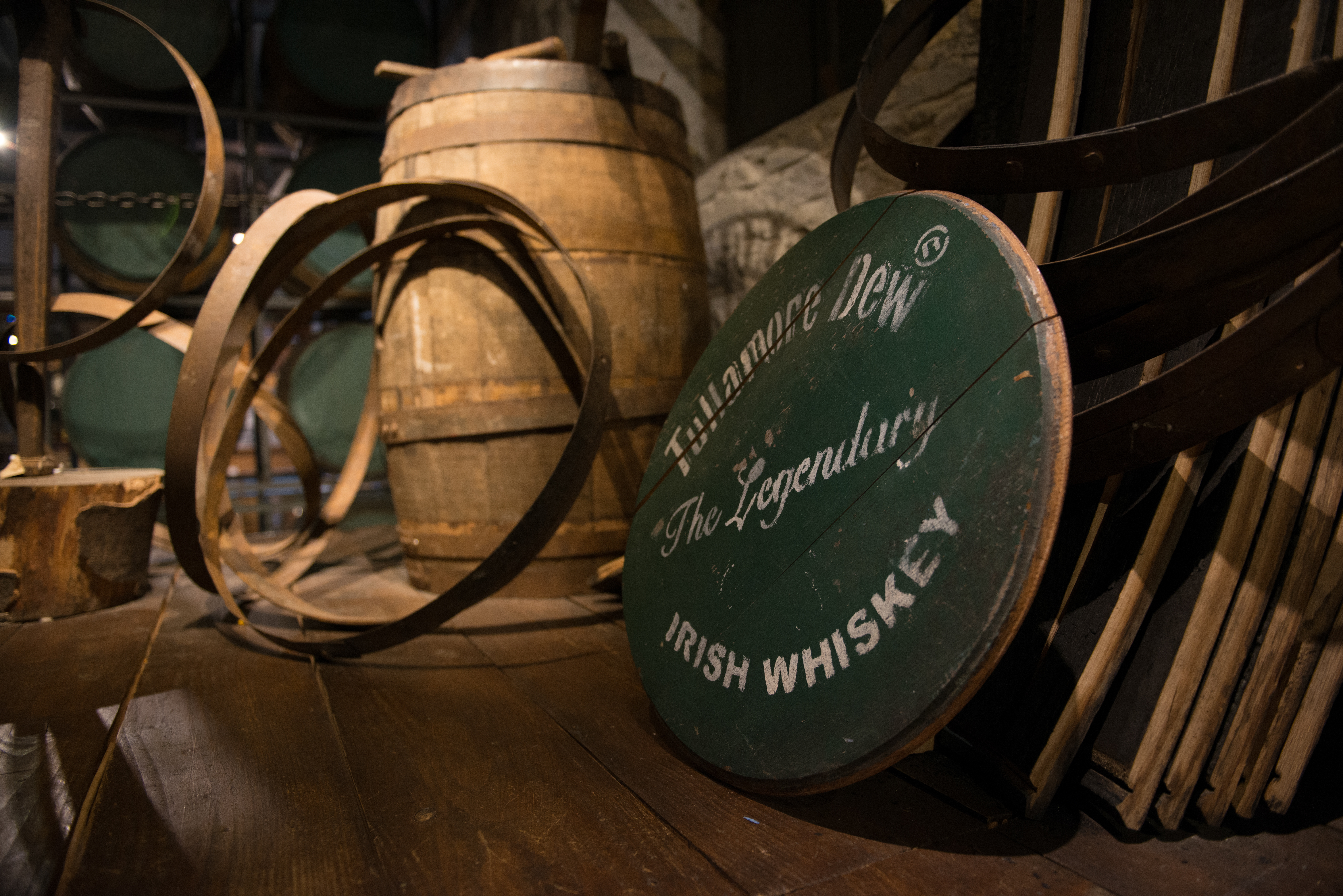
In Ireland, whiskey exporters are taking a wait-and-see attitude. Eoin Ó Catháin, director of the Irish Whiskey Association, said the industry is waiting to see what happens before making concrete decisions, stressing that political negotiations and de-escalation of tensions are likely to be the key to resolving tariff issues.
“This is not a silver bullet to eliminate tariffs. It is just another complication, another twist in this story,” he said.