Moscow and Kiev are no closer to ending the conflict, despite American-mediated negotiations, but they seem to have agreed on one goal, which would sound unexpected if it were not seriously hurt: try to avoid upsetting President Trump and US forces, write the Wall Street Journal, The Economist and Reuters.
Many hope that the ongoing peace talks between Russia and Ukraine – with the latest round in Geneva just the other day – will provide a path to an end to the bloody war that has lasted nearly four years. But, for now at least, the signs are not good, and many informed and seasoned observers warn that the end of the conflict is nowhere near.
 How the German spy chief was rescued from Ukraine by Polish agents after an action of “über alles” incompetence
This week's negotiations, brokered by the US, ended like other talks this year: with no one able to point to any real progress.
The head of the Russian delegation, Vladimir Medinski, described the talks as “tough but serious” and Ukraine's chief negotiator, Rustem Umerov, described them as “substantial”, while US special envoy Steve Witkoff hailed “significant progress”, without elaborating.
Diplomatic words, writes the Wall Street Journal (WSJ), hide the deadlock in the peace process, which many observers and even some participants say has actually turned into political theater.
“These talks are not bringing us any closer to ending the war,” Ivo Daalder, a former US ambassador to NATO during the Obama administration, told the WSJ. “It's a game to avoid being blamed for Trump's failure to end the war,” he says.
Specifically, the WSJ writes, in the peace talks, Ukraine and Russia seem to have agreed on one goal: to avoid upsetting President Trump, thus giving the impression that they are blocking the peace process.
“Russia is not looking for a peace agreement”
It's not a singular observation, far from it. The heads of five European spy agencies, who spoke to Reuters in recent days on condition of anonymity, said Russia did not want a quick end to the war.
One of Reuters' interlocutors, a secret service chief, said that “the negotiations are a front” – dispelling any optimism about the path to peace.
The same sources also explained the reason for this conclusion.
“Russia is not looking for a peace deal. They are pursuing their strategic goals, and they have not changed,” said one European intelligence chief. These include ousting Ukrainian leader Volodymyr Zelensky and turning Ukraine into a “neutral” buffer zone vis-à-vis the West.
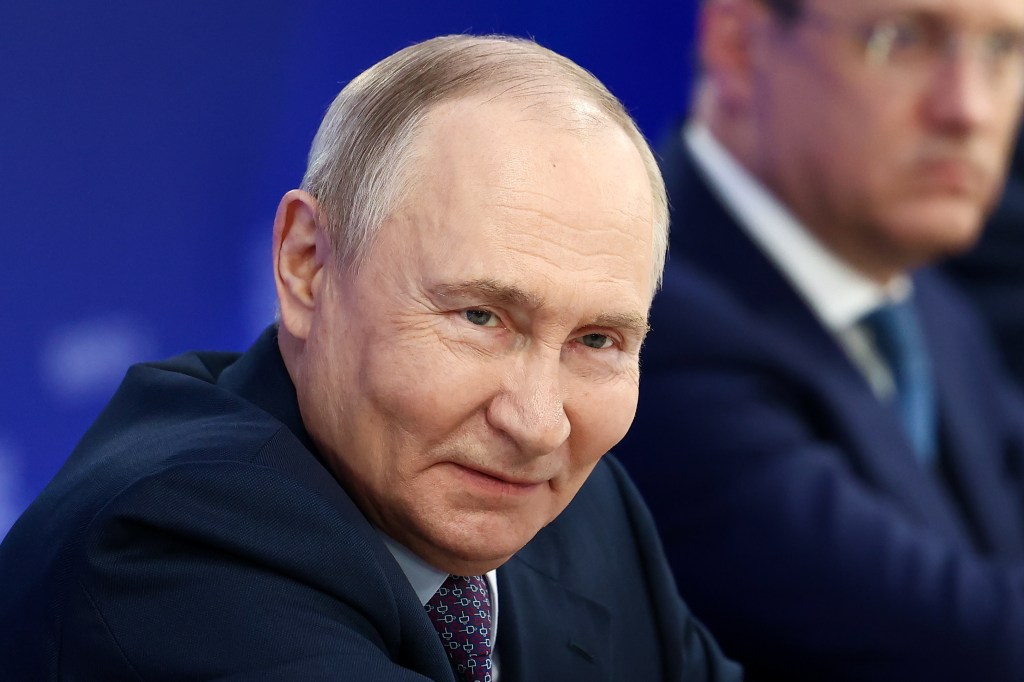 There were “front negotiations” in Geneva. Five European spy chiefs have revealed what they think about the chances of ending the war in Ukraine
Another secret service chief said Russia could be satisfied territorially if it got the entire Donetsk region, but that this would not fulfill its goal of toppling Zelenskiy's pro-Western government.
And a third intelligence chief said there was a mistaken belief that Ukraine's ceding of the Donetsk region would quickly lead to a peace deal.
“If the Russians get these concessions, I (think) that could be the beginning of the actual negotiations,” the official told Reuters, anticipating that Russia could then make further demands.
Russia thinks it will win
The White House, writes the WSJ, is going on the optimistic theory that Putin's war aims are more limited than his public rhetoric and that he would be satisfied if Ukraine gave up the entire Donbas region.
But Russia, commentators say, wants all of Donbas, but also a reorganization of the government, army, media, religion and identity of Ukraine, which means restoring Russian dominance over the country.
In a statement to the WSJ, Tatiana Stanovaia, an analyst at the Carnegie Russia Eurasia Center, said Russia believes it is currently winning the war.
“They see this as a process that is slowly, slowly pushing Ukraine towards Russia's goals,” she said. “The message is: 'We can stop the war today, but you have to fulfill all our demands'. The position is still the same. Nothing has changed,” Stanovaia explained.
Three more years of war?
For Ukraine, surrender is impossible. The area of Donbas that Kiev still controls is a bastion of defense crucial to the rest of the country: a network of fortified towns that are very difficult to overcome for Russian forces that have already suffered huge losses.
Zelenskiy said he could not support a cession of territories and that the Ukrainian people would not either, so he proposed that the current front line be the demarcation line.
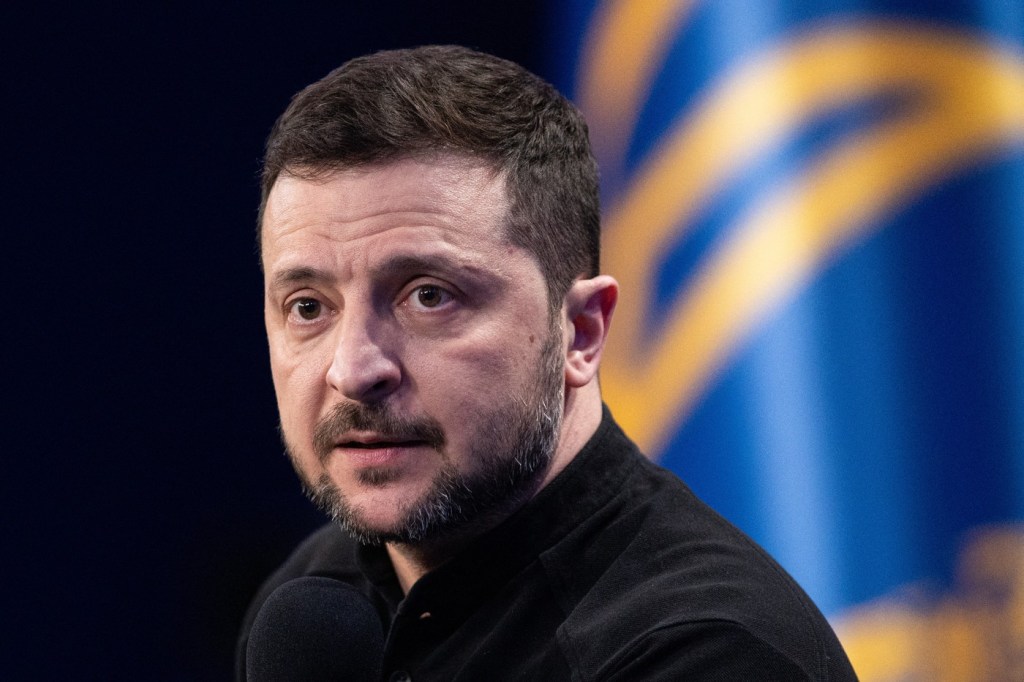 Zelenski rules out a withdrawal from Donbas: “We are ready to discuss compromises with the US, but not to receive ultimatums from the Russians”
All the while, the Kremlin is also rejecting the Western plan for security guarantees, which would involve stationing European forces in Ukraine after the ceasefire.
And Ukraine wants the US and Europe to provide explicit and binding guarantees of military assistance should Russia invade again.
How determined is Ukraine to continue the war?
Journalist Bojan Pancevski, from The Wall Street Journal, recently reported in a podcast that Zelenskiy would have told those close to him that negotiations are deadlocked and that Kyiv must prepare for three more years of war, Kyiv Post writes.
On Friday, Dmytro Litvin, the presidential adviser on communication issues, qualified these claims as false, the Ukrainian press writes.
Ukraine is now less dependent on US intelligence
Where exactly the war is heading now is not clear. An analysis by The Economist noted that neither side currently appears capable of winning the war.
It is clear that Trump is pressuring Ukraine to give up as much as possible in order to make a deal, and it is equally clear that the US president may be losing interest in ending the war.
But although Trump still has influence, his ability to push Zelenskiy to accept an unfavorable deal has passed its peak, writes The Economist.
It is true that America still sells vital weapons to Europe, which then transfers them to Ukraine. But Ukraine is now less dependent on American intelligence than it used to be, and America has cut its war funding by 99 percent.
Putin is the biggest obstacle to peace
Putin, writes The Economist, is the most important obstacle to peace. And this, think the journalists of the British magazine, because the peace itself could trigger a crisis in Russia.
Russia has allocated so many resources to defense, which now accounts for 8% of GDP, that the rest of the economy is in decline. The regime's problems and the prospect of renewed hostilities, analysts say, will deter new investors.
The challenge of redistributing resources from war to peace, including finding jobs for soldiers returning from the front, could induce a deep recession, the magazine speculates.
And politics would be ugly, believes The Economist.
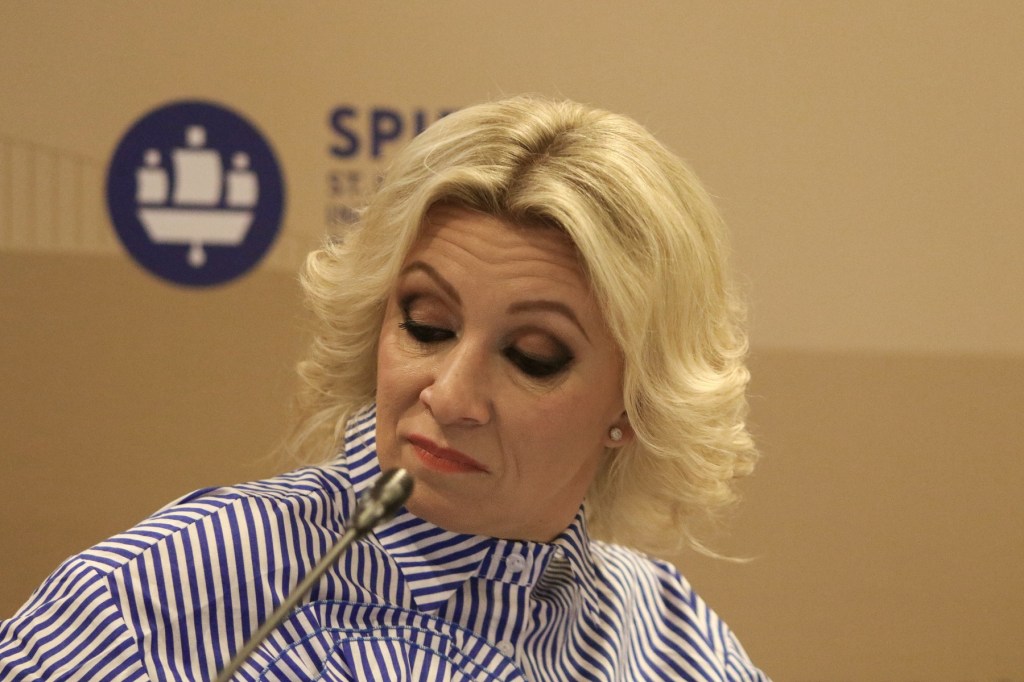 Moscow says it will evaluate US mediation in Ukraine war 'based on results'
Disaffected veterans destabilize regimes, especially in Russia, as they did before the 1917 revolution and after the Afghanistan war in the 1980s.
Polls suggest Russians would welcome the end of the fighting. But questions would surely follow: about the failed campaign, the waste of lives and wealth, and Russia's humiliating dependence on China for financial and military support in the name of saving its own civilization.
This could limit Putin's ability to resume the war. It could even pose a threat to its power, The Economist believes.
But Putin cannot win the war
At the same time, Putin is in a dilemma, unable to win the war, writes The Economist.
Russia was unable to generate enough combat power to break through the Ukrainian lines. In the 10-30 kilometer “dead zone” around the front line, vulnerable to drones, soldiers and equipment cannot gather without becoming targets.
Even if Russian forces break through Ukrainian lines, they will most likely fail to capitalize on their success, writes The Economist.
And things are not getting any more optimistic for the Kremlin. In the first three years, Russia strengthened its military. At the end of last year, however, it was already losing more people than it could recruit.
Soldiers are poorly trained, morale is low, and the desertion rate is higher than ever.
Starlink cut off Russian forces' access to the smuggling terminals they depended on for targeting. Their own government cut off access to Telegram, which they used to communicate on the front lines.
Putin will have difficulty increasing the number and quality of recruits. Russia relies on money, not patriotism, to recruit soldiers, and the economy is shrinking and money is getting tighter.
Russia's war effort is not about to collapse. But even Putin's belief that Ukraine is ready to collapse does not seem to be a winning bet for now, writes The Economist.