The sanctions considered by the White House would not include the Russian banking sector; To make Putin to make concessions, other options are discussed, “Wall Street Journal” said. Experts point to a possible reduction in oil prices, a confiscation of $ 300 billion. Russian assets abroad and 500 % duties on countries importing Russian oil, gas and uranium.
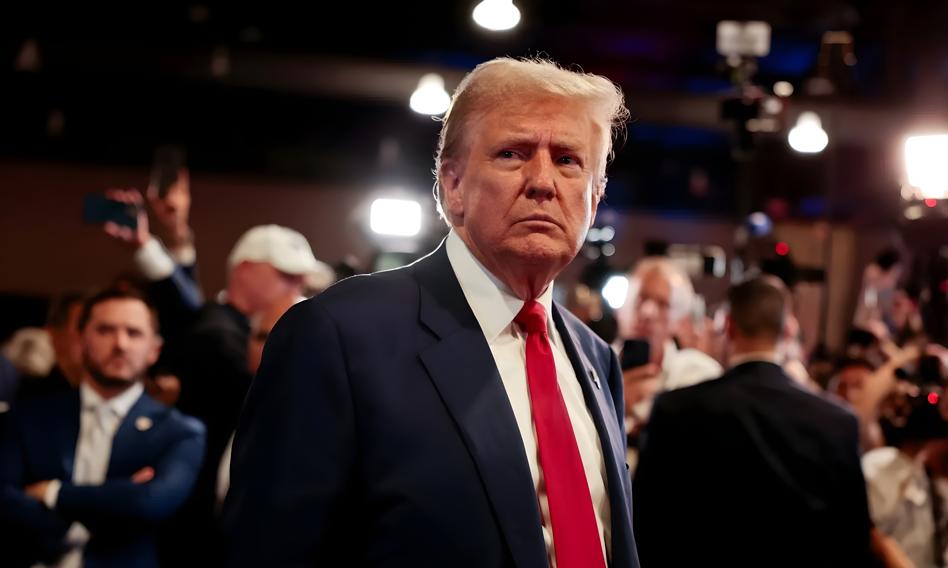
Donald Trump is to be according to “Wall Street Journal” “frustrated with constant attacks by Russia on Ukraine” and too slow the pace of peace conversations, and therefore he is thinking about imposing new sanctions on Russia.
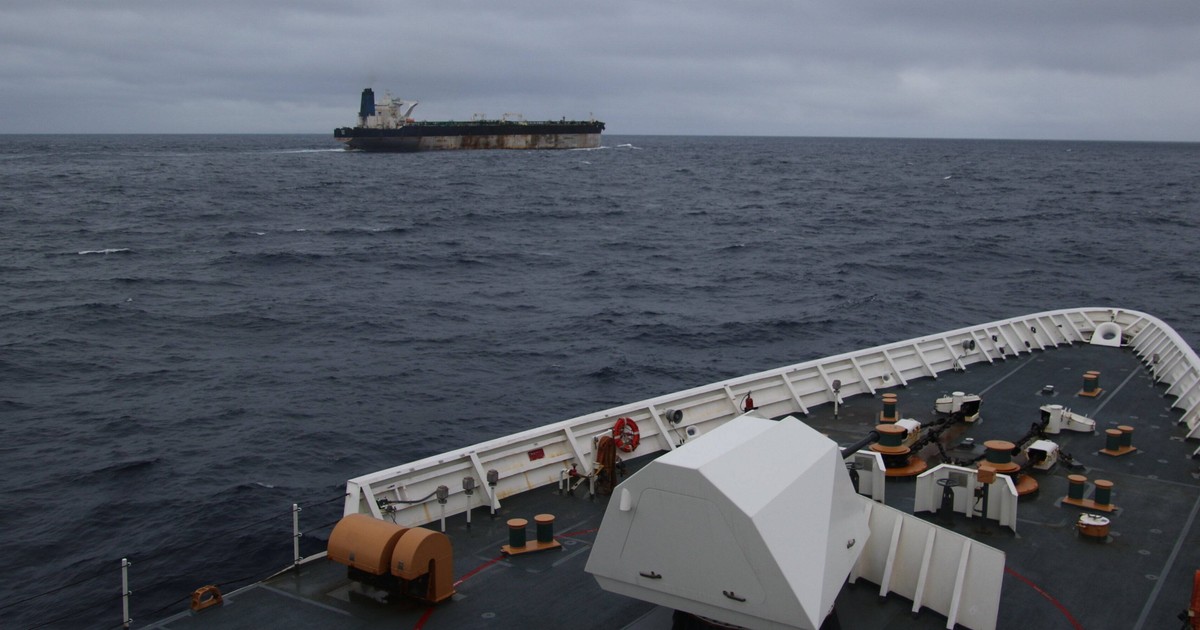
According to experts, Americans are considering confiscated Russian foreign assets and cooperation with Europe in order to block the so -called Shadow fleets that illegally transports Russian oil and gas. They can also impose high duties on the importers of Russian raw materials and strive to reduce oil prices enough to reduce the Kremlin's profits from export, preventing him from financing war.
These ideas are supported by American senators who, after a Sunday massive Russian attack on Ukraine, as a result of which at least 12 people were killed, including children, called President Trump to introduce “paralyzing” sanctions against Russia.
Among the proposed restrictions, in addition to increasing the supply of weapons for Ukraine, Republicans suggest a confiscation of Russian foreign assets worth $ 300 billion. Together with the Democrats (81 senators per 100), they also supported the act providing for a 500 % duty for goods imported from buying Russian oil, gas and uranium. This project also enjoys broad support in the House of Representatives.
US Secretary of State Marco Rubio assured last week that Trump's administration would support this law if there is no progress in peaceful negotiations. He emphasized that Trump had been refraining from threatening sanctions so far so as not to discourage Russia from further conversations.
According to earlier reports, including Reuters' information from the beginning of May, the Trump administration was to work on subsequent economic sanctions to cover the banking and energy sectors. Experts Peter Doran, from the Washington Foundation for Defense of Democcies, and Glen Howard, president of Think-Tank Saratoga Foundation, have already said in interviews for PAP in March and April this year.
Dorn then indicated that potential sanctions could include, among others Western financial institutions that have so far facilitated Russia with oil and gas trade, as well as Chinese banks involved in these transactions.
Already in March, the Trump administration dealt a serious blow to the Russian energy sector, allowing the expiry of the release, which enabled Russian banks to use American payment systems in energy -related transactions. This exemption was originally introduced during the rule of President Biden to prevent rapid increases in energy prices in countries dependent on Russian raw materials, but it was shortened and thanks to the decision of Trump's administration it expired in March. Commentators assessed this decision as “painful for Russia.”
Despite the Kremlin's appeals, reported, among others During conversations about the suspension of weapons in the Black Sea, the US did not relieve sanctions for some Russian financial institutions, including the State Agricultural Bank Rosselkhozbank.
Peter Doran, an expert at the Foundation for Defense of Democracies, in the opinion published on The Hill, emphasized the need to limit the supply of high -class tools, electronics and equipment used by the Russian defense industry. Many of these products go to Russia through merchants from Europe and Asia, often coming from the USA.
Both Doran and Glen Howard, president of Think-Tanku Saratoga Foundation, in interviews for PAP indicated that a key way to put pressure on the Kremlin would be to reduce oil price below $ 45. for a barrel. Howard pointed out that the existing sanctions from the time of Biden administration were “leaky” and allowed prices to maintain over $ 60. – level set by G7 countries and Australia as a ceiling for Russian oil.
Howard argued that if the oil price drops drastically, Russia would be forced to end the war in Ukraine. According to him, Washington made the Saudi Arabia a key partner for this reason.
In mid -May, Donald Trump visited Saudi Arabia and – as Reuters noted – in addition to the promise of great Saudi investments in the USA and the agreement for the sale of weapons, the president managed to convince the Sauds to increase oil supply and thus lowering prices.
“Lower oil prices may support Trump's efforts to mediate to end the war in Ukraine. Various energy prices exert pressure on Russia, which is largely dependent on oil and gas income,” wrote Reuters.
Decision of the OPEC+ group to increase production by 411 thousand. Baryłek a day in May and again in June contributed to the decrease in oil prices to about $ 60. For the barrel at the beginning of May from $ 82 for the barrel at the beginning of the year.
As he argued in The Hill Doran, the US should also put pressure on Europe on the reduction of the profitability of Russian oil and gas exports.
“Last year, Europe spent more on Russian oil and gas than to help Ukraine – striking irony,” Doran wrote referring to data published by the British daily Guardian.
According to Guardian, according to the estimates of the Center for Energy and Pure Air Research (Crea), EU Member States bought Russian oil and gas for EUR 21.9 billion in 2024. This amount is one sixth larger than the sum of European financial support for Ukraine in 2024 (source: Kiloan Institute of World Economy). (PAP)
AG/ BST/ MHR/