“Something particularly shameful.” The drama of mothers and pregnant women in ICE centers. Federal judges sound the alarm

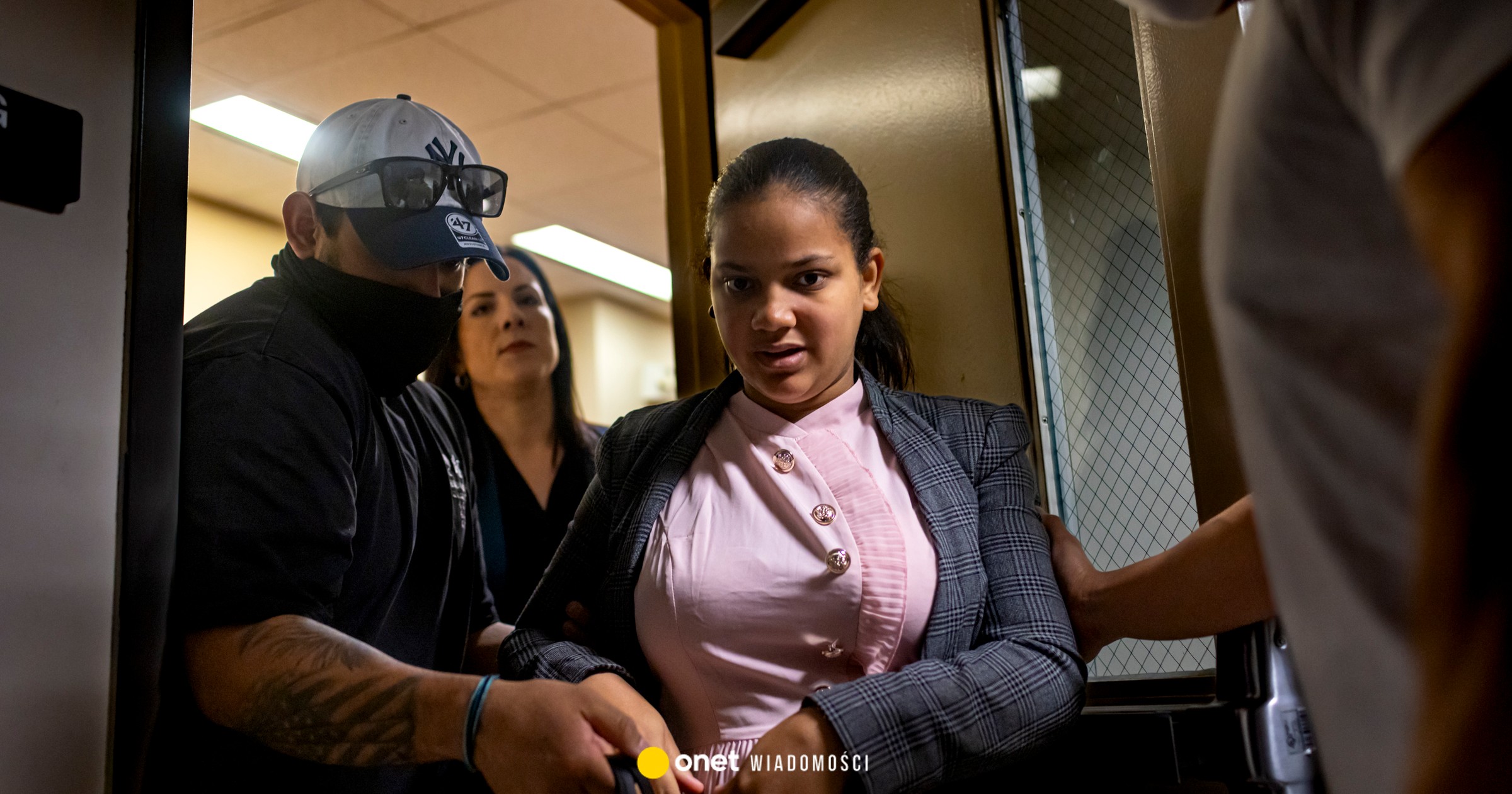
Federal judges are sounding the alarm over the treatment of pregnant and breastfeeding women in ICE detention centers during the Trump administration. Moreover, government representatives give the courts contradictory and unclear answers to the question whether they even apply their own regulations, which significantly limit the possibility of detaining such people.
Amid this uncertainty, courts are confronted with harrowing stories of women being separated from their breastfed infants or placed in cramped, unsuitable ICE facilities during pregnancy — in conditions that are hazardous to health, and in some cases even leading to miscarriages.
This situation became particularly clear last weekend in Massachusetts when Djeniffer Benvinda Semedo, a citizen of the Republic of Cape Verde, being six months pregnantwas urgently transported to a teaching hospital in Boston. The woman says that she was held in a temporary ICE facility for three dayswhich was supposed to further worsen her health.
On Tuesday, February 17, ICE released Semedo — just before her lawyers filed an emergency court request for her release. The woman is still in hospital.
“Something particularly shameful”
Last month, federal judge Michael Davis, a Bill Clinton appointee and ruling in Minnesota, sharply criticized the Trump administration for detaining and bringing to Texas a refugee who was legally in the U.S. and was still breastfeeding her five-month-old baby at the time of her arrest.
There is something particularly shameful about transporting a breastfeeding refugee mother to another state
— wrote Davis, emphasizing that the woman “lost valuable time bonding with and breastfeeding her child” due to what he considered to be unlawful detention. He ordered her immediate release.
Around the same time, Federal Judge Richard Boulware of Nevada, an Obama appointee, ordered the immediate release of a woman who argued that her detention by ICE — despite having a high-risk pregnancy — violated a 2021 policy banning the detention of pregnant women and breastfeeding mothers in most cases.
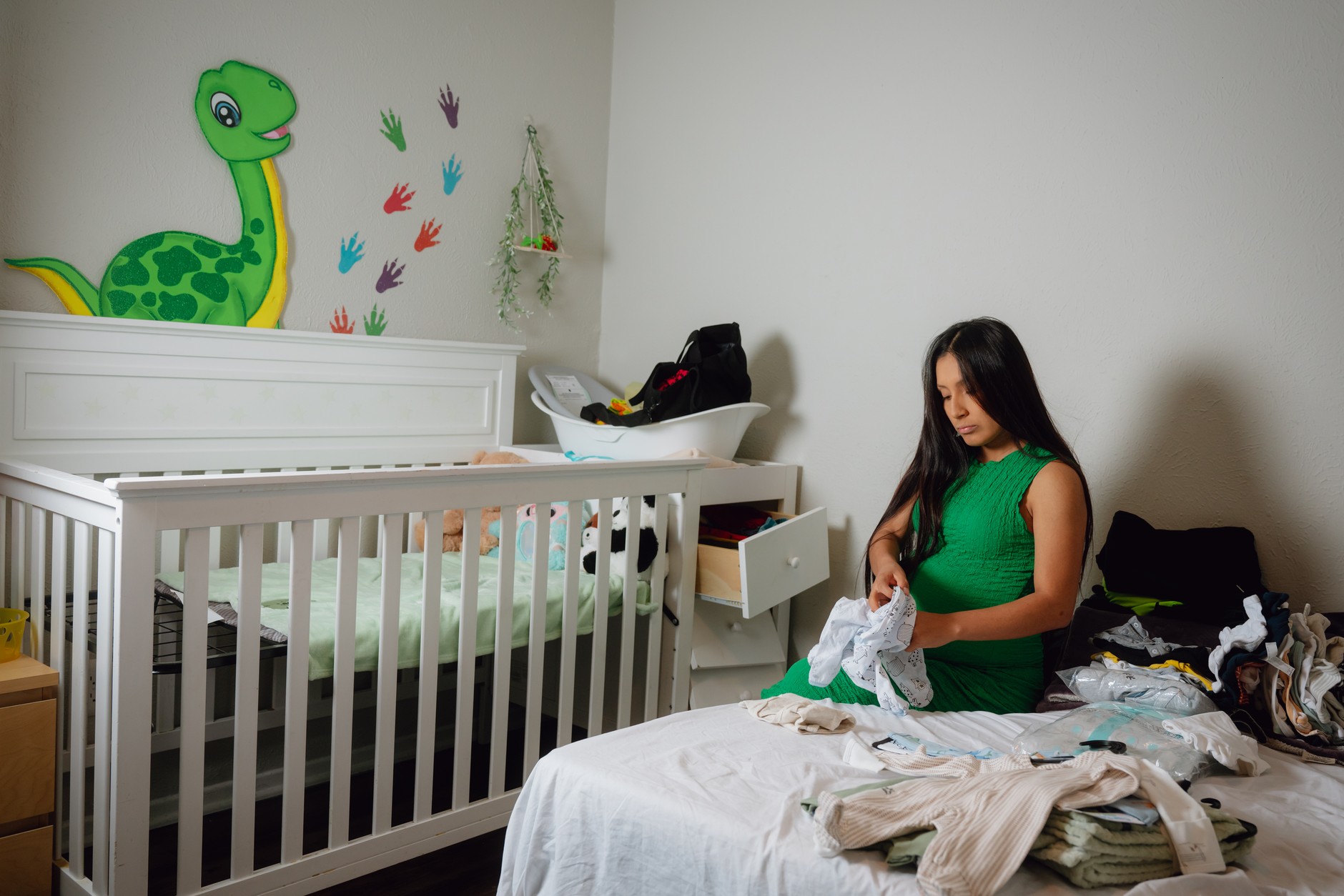
Nays Naupari Rosila, whose partner was detained by ICE, hides baby clothes in her apartment, Dallas, U.S., March 20, 2025.Desiree Rios for The Washington Post via Getty Images/Getty Images
“Being in detention is a choice”
But last month, another Justice Department lawyer said the policy was still in effect and binding on ICE. Last week in Wisconsin, a federal judge demanded that the Trump administration explain why a mother was detained while breastfeeding her six-month-old baby. In response, the Department of Justice said that after consultations with the Department of Homeland Security (DHS), no reason had been identified to justify her continued detention.
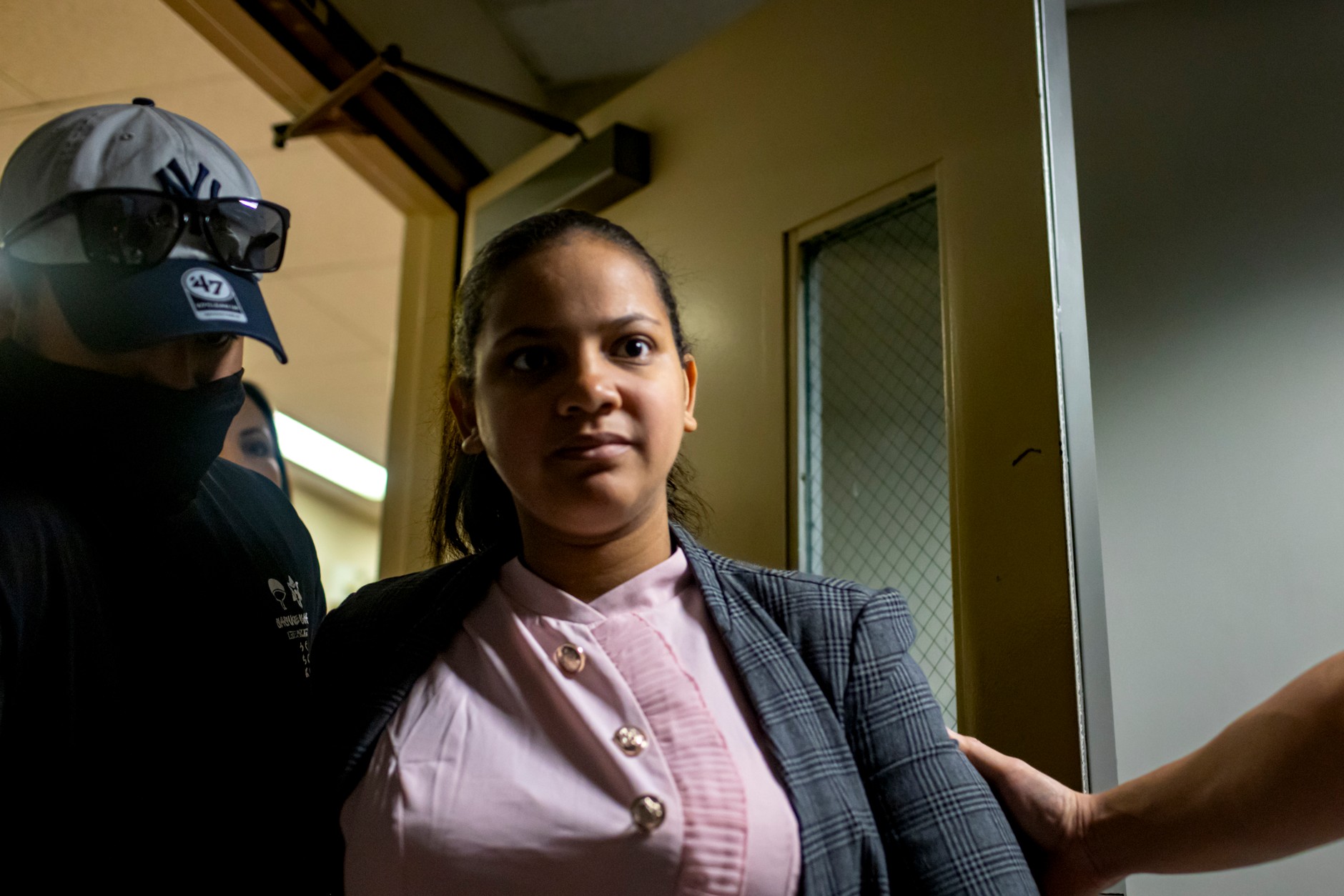
A nine-month pregnant woman detained by federal agents, September 11, 2025.Pacific Press/Contributor/Getty Images
POLITICO's editorial team has repeatedly asked for clarification on the status of this policy, but has not received a clear answer as to whether it is still in effect.
Being in detention is a choice. We encourage all undocumented immigrants to arrange their own departure using the CBP Home app [przeznaczonej dla cudzoziemców przebywających w USA bez uregulowanego statusu, którzy chcą dobrowolnie opuścić kraj]
– she added.
However, the judges emphasize that many of these women should not have been detained at all. And even when detention does occur, it's unclear whether ICE is actually following its own guidelines for their care.
Judges versus administration
Confusion over the status of ICE's policy toward pregnant and breastfeeding mothers began in August when a Justice Department lawyer in Minnesota informed federal Judge Susan Nelson that the policy had been rescinded. Nelson expressed doubts, noting that Trump's order “contains no reference to breastfeeding mothers — much less to breastfeeding mothers without any criminal history.”
“The court finds that the harm resulting from the separation of a nursing mother and child is self-evident,” Nelson wrote in ordering the woman released from ICE detention.
“Continued detention of the applicant irreversibly deprives her of liberty, exposes her to negative health consequences and makes it impossible to care for her infant,” Hoyt wrote. “The applicant has demonstrated that both she and her child will suffer irreparable harm.”
Motherhood in detention
The following month, federal judge Jennifer Thurston of California, a Joe Biden appointee, indicated that a 32-year-old Nicaraguan citizen — who was breastfeeding and early pregnant — she was probably not provided with adequate equipment or care.
“As a result of the sudden separation from her baby and the inability to feed, she developed painful milk retention. There is no indication that she was provided with a breast pump or other support to maintain lactation,” Thurston wrote.
At a similar time, federal judge Casey Pitts, also of California, banned ICE from detaining a mother who is breastfeeding her infant. He noted that officers had previously tried to detain her, but refrained from doing so when she was with the child.
In December, federal judge Troy Nunley from California, nominated by Barack Obama, agreed to release an Indian citizen who claimed that as a result of “dramatic conditions” of detention, her weight had dropped to approximately 41 kg. The judge found that her reported health problems jeopardized her pregnancy and may have violated ICE's 2021 policy.
Responsibility passed on
In some cases, courts refused to release pregnant women, stating that the conditions of detention were not directly within their competence. Even then, however, judges expressed serious concern.
“While the court does not rule on the truth of the health care allegations, it finds them disturbing,” wrote federal judge William Johnson of New Mexico, a George W. Bush appointee, on January 26.
The court hopes and expects that, if true, the competent authorities will take immediate action to provide the applicant with the necessary medical care and prevent irreparable harm to her and her unborn child.
That same month, federal judge Maurice Hicks Jr. from Louisiana, also nominated by George W. Bush, admitted that he is not indifferent to the “health condition” of a woman claiming to be pregnant with twins, but noted that cannot issue an emergency order without first giving the Trump administration an opportunity to respond to its request.