The Superior Council of Magistracy harshly attacks the CCR decision regarding special pensions: “Serious effects on the functioning of the judicial system”

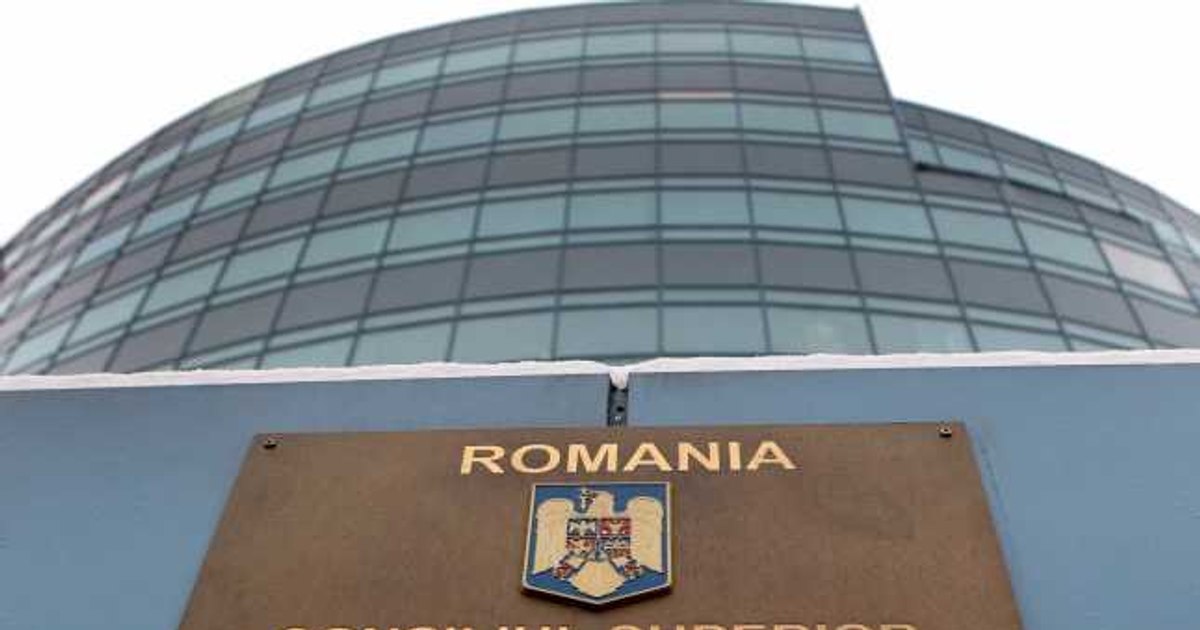
The Superior Council of the Magistracy announces that it has taken note of the decision of the Constitutional Court regarding the constitutionality of the draft law that modifies the service pensions regime of the magistrates, emphasizing that the decisions of the CCR are binding for the whole society. However, the CSM warns that the new legislative framework will have “serious effects” on the functioning of the judicial system.
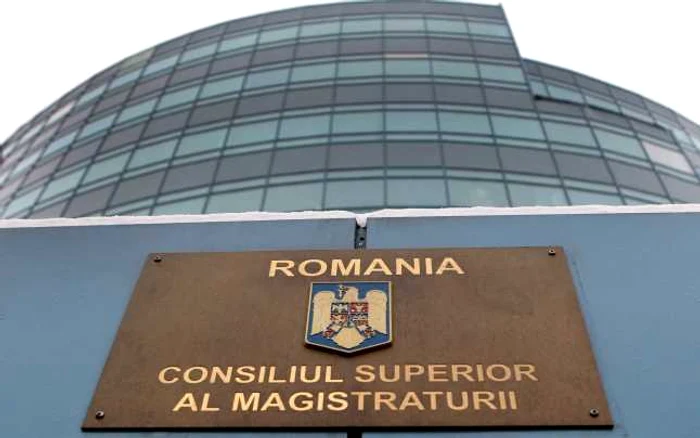
CSM headquarters. PHOTO Eduard Enea
According to the CSM, increasing the retirement age and eliminating the service pension risks causing massive departures from the judiciary and discouraging new generations of lawyers from pursuing this career.
“This new legislative framework will have serious effects on the functioning of the judicial system. Increasing the retirement age of magistrates again and eliminating the service pension not only risks generating departures from the judicial system, but also turns the profession of magistrate into an unattractive one for the new generations of legal professionals”, the CSM said, Wednesday, in a statement.
The institution warns that justice risks reaching an “inevitable systemic collapse”.
The large deficit of magistrates, the number of cases four times higher than the European average of the cases registered before the courts and the impossibility of staff recruitment were constantly brought to public attention, being ignored by the other powers in the state, the only concern expressed in this regard being that of affecting the status of the magistrate.
In relation to the direct consequences on the protection of the fundamental rights and freedoms of citizens and the resolution of cases within a reasonable period, the Council is obliged to identify optimal measures to regulate the activity in order to avoid that the justice system in Romania enters an inevitable systemic collapse. A quality justice can only be imagined under the conditions of reaching European standards in terms of the volume of cases and the human effort to solve them”.
“Certainly requires the reanalysis of the regime of incompatibilities and prohibitions of magistrates”
At the same time, the Council considers it necessary to reanalyze the regime of incompatibilities and prohibitions of magistrates.
“At the same time, the new regulation definitely requires the reanalysis of the regime of incompatibilities and prohibitions of magistrates, one of the most restrictive in the entire European Union. The elimination of service pensions transforms the status of magistrates into an apparent guarantee of their independence, unsupported by reality”, it is also shown in the communiqué.
The Council appreciates that “the analysis of the Court of Justice of the European Union regarding compliance with the guarantee of judicial independence through the new draft law would have been essential, but this possibility still exists and can be exploited in individual situations with which the courts will be charged“.
We remind you that the judges of the Constitutional Court rejected on Wednesday, February 18, the referral to the High Court in the sixth session on the subject of the special pensions of the magistrates. The bill passed the CCR with 6 votes (Elena-Simina Tănăsescu, Laura-Iuliana Scântei, Mihaela Ciochină, Mihai Busuioc, Dacian Cosmin Dragoș, Asztalos Csaba Ferenc) to 3 (Gheorghe Stan, Bogdan Licu and Cristian Deliorga). Now, the project proposed by the Bolojan Government goes to President Nicușor Dan for promulgation.
The validation of the law reforming magistrates' pensions ends a period of instability and tension in the governing coalition. Beyond the legal text, the decision has a strong political charge.