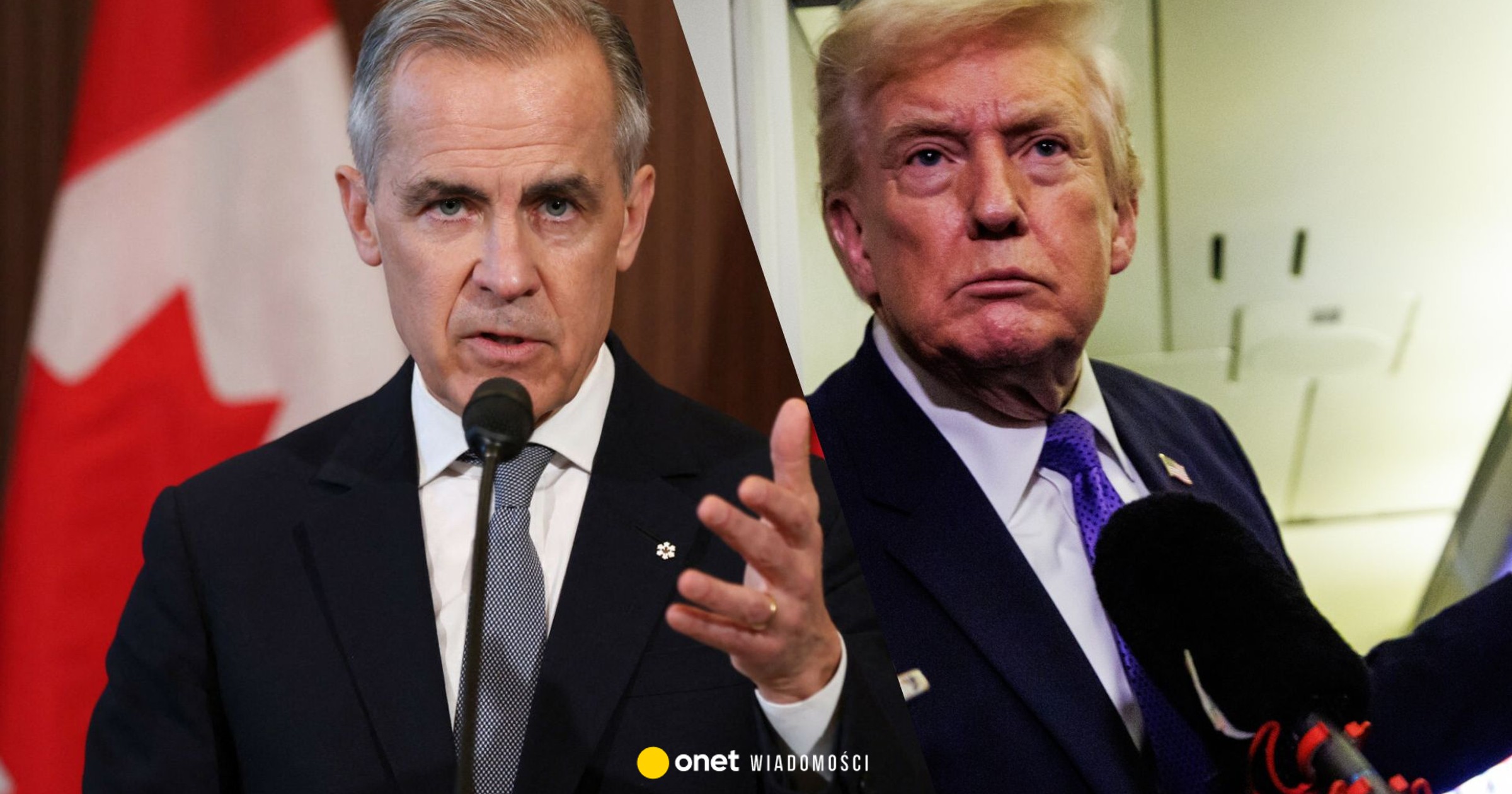
Prime Minister Mark Carney says a new “Buy Canadian” defense strategy aims to reduce Canada's dependence on the United States while boosting domestic production after years of underinvestment in the military.
“Our partnership with the United States has many advantages, but it is dependent,” Carney said diplomatically on Tuesday, February 17. “The assumptions that have defined Canadian defense and foreign policy have been completely turned upside down.” – he added, however, firmly in French. Canada clearly indicates who will replace the US.
The long-awaited strategy assumes: deepening partnership with Europeand key allies in the Indo-Pacific region in response to President Donald Trump's aggressive security and trade policies.
Carney is officially careful not to downplay the importance of Canada's long-standing military cooperation with the United States, including the NORAD bilateral defense pact, which he called a “fundamental” partnership. However, he had previously decided to join the European initiative aimed at ending dependence on the US in terms of weapons and ammunition.
Carney said Canada must expand its domestic defense industrial base “so that we are never held hostage by the decisions of others when it comes to our security.” Reducing dependence on the US is now a priority for Canadians.
The Canadian strategy states that half of Canada's defense products and services are exported, with the majority (69%) going to the United States and Canada's other Five Eyes partners, namely the United Kingdom, Australia and New Zealand.
The article continues below the video
“We committed to doubling down — doubling down [podkreślenie] — our defense spending by the end of this decade, which means an additional $80 billion. Canadian funds (almost PLN 285 billion) over the next five years,” Carney said. “As part of our commitments to NATO, we will invest an additional $45 billion. Canadian funds (over PLN 160 billion) annually in national defense, which will bring both security and economic benefits.
Carney pledged that Canada would meet its NATO defense spending commitments for the first time, reaching the 2% mark this year. GDP, and by 2035 – 5%. Carney admitted that Canada was lagging behind in defense spending.
“The truth is that over the last few decades, Canada has not spent enough on defense or invested enough in the defense industry. We have relied too much on our geography and other countries to protect us. This has created vulnerabilities that we can no longer afford,” Carney said.
“The strategy seeks to protect Canada's sovereignty.”
The Canadian government plans to select “defense champions” – a list of key strategic partners – by summer. The document lists 10 “sovereign capabilities” of Canada's armed forces – from aerospace platforms, artificial intelligence and quantum computers, to land, maritime and space sensors and intelligence, missile, bomb and weapons production, specialized production of land vehicles and ships, and drones, including aircraft and unmanned ships that can operate above and under water.
The strategy outlines ambitious goals for the next decade. Assumes an increase:
the share of Canadian companies in defense equipment orders up to 70 percent;
exports of Canadian defense equipment by 50 percent;
government investment in defense research by 85 percent;
revenues of the Canadian defense industry by over 240%, including an increase in the revenues of small and medium-sized enterprises by over USD 5.1 billion. Canadian (approx. PLN 13 310 million). annually.
The Canadian government claims that achieving these goals by 2035 will result in an inflow of $500 billion in investment to Canada. Canadian (over PLN 1 trillion 300 billion).
Carney was scheduled to announce the strategy last week but postponed the announcement after the mass shooting in British Columbia. In response to the tragedy, he also canceled a trip to the Munich Security Forum, where he was scheduled to deliver a speech that was a follow-up to his groundbreaking speech in Davos during the World Economic Forum last month.
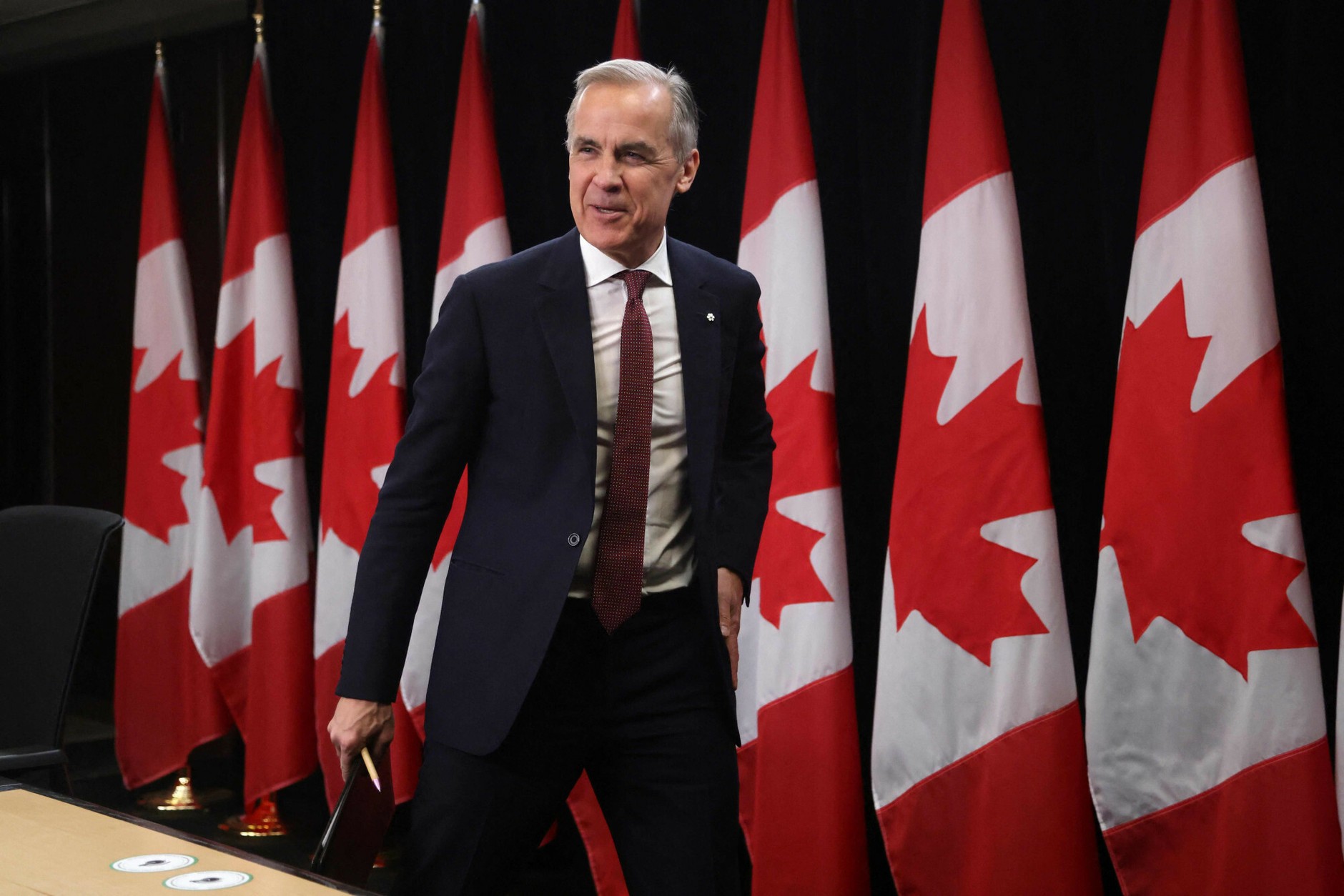
Canadian Prime Minister Mark CarneyPATRICK DOYLE / AFP / East News
Canada's strategy was presented as an essential tool to protect the country's sovereignty. Carney emphasized that it is particularly important when it comes to Canada's involvement in the Arctic.
“The nature of warfare is changing due to the proliferation of drones and autonomous weapons systems,” said the Canadian prime minister. “This strategy seeks to protect Canada's sovereignty in the fullest sense of the word.”
I’m Ashley Davis as an editor, I’m committed to upholding the highest standards of integrity and accuracy in every piece we publish. My work is driven by curiosity, a passion for truth, and a belief that journalism plays a crucial role in shaping public discourse. I strive to tell stories that not only inform but also inspire action and conversation.