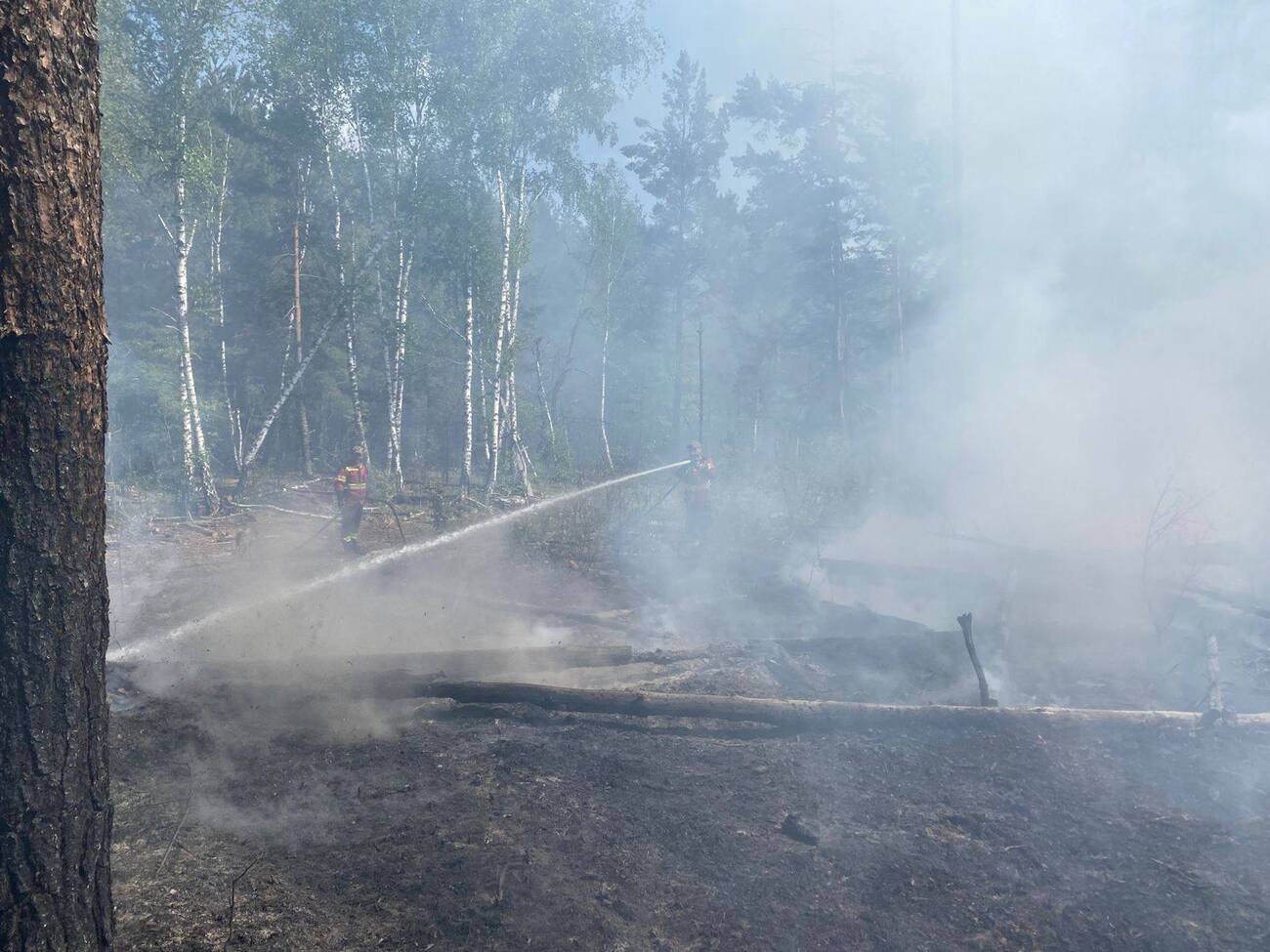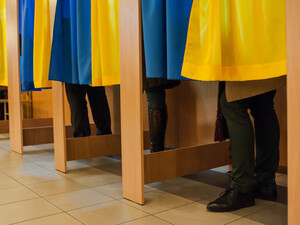
“It is necessary to constantly prepare the electoral infrastructure. Just as in peacetime there is mobilization preparation for war, so in time of war there must be preparation for peace. […] As of today, approximately 7-10% of polling stations are damaged,” he said.
The deputy head of the CEC noted that local authorities are restoring buildings where possible.
“When we hear about the restoration of a school, lyceum or hospital, this indicates that both the building of the Central Election Commission and the voting place have been restored. But, unfortunately, damage occurs again. For us, this is a permanent process,” Dubovik explained.
He noted that it is difficult to say what state the electoral infrastructure is in at a particular moment, “but most of it is in satisfactory condition.”
Dubovik said that elements of preparing the electoral infrastructure also include the creation of new polling stations or the relocation of those injured as a result of Russian shelling.
“This work is ongoing and has not stopped, but these are preparatory measures not related to the specific electoral process. It is the responsibility of the state to keep the infrastructure in working order,” he emphasized.