Canadian separatists step up efforts after meetings with Trump administration officials: 'We are different'

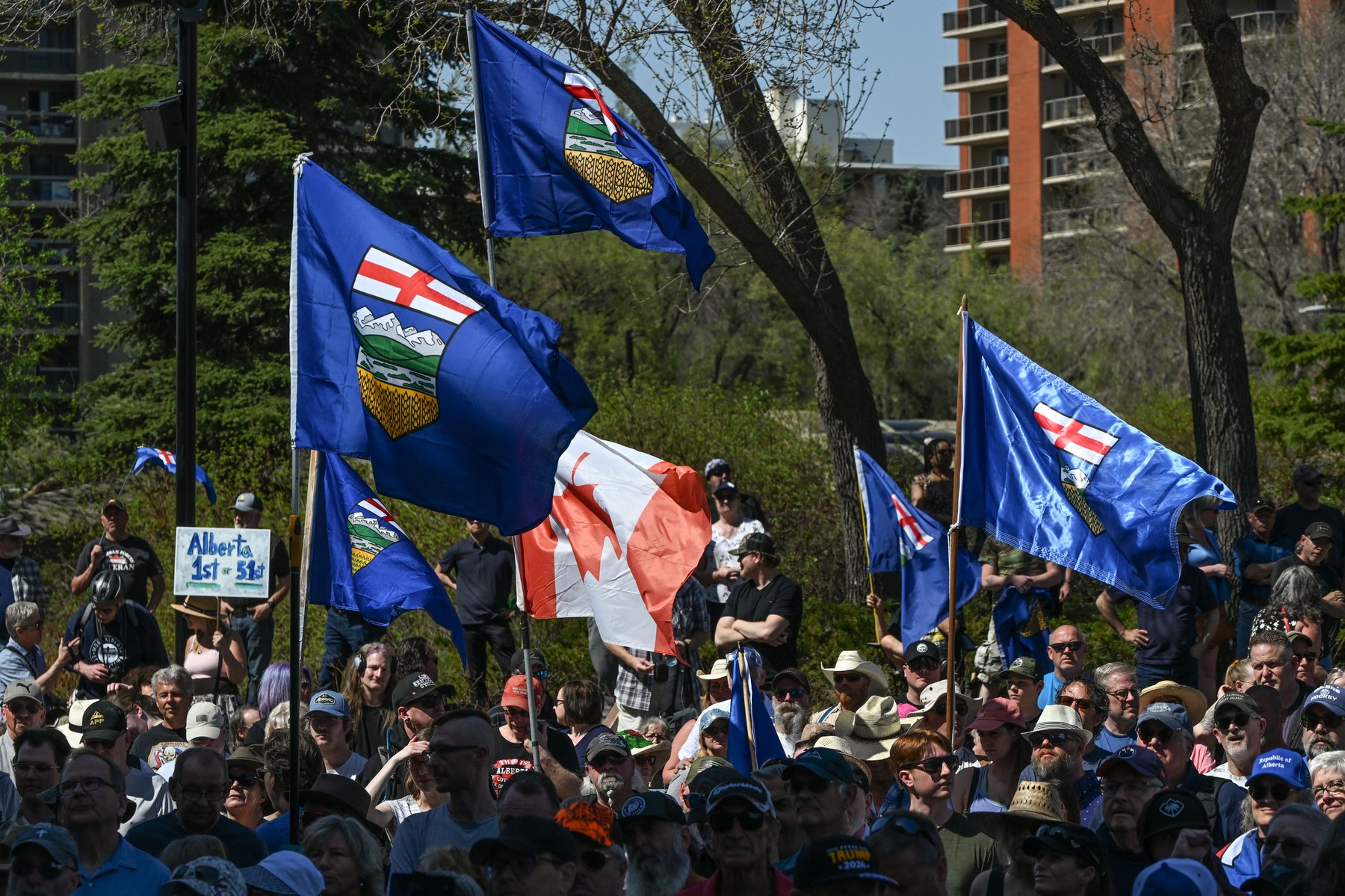
Separatists in Canada's Alberta province have stepped up their signature-gathering campaign to trigger an independence vote in the oil-rich region, which has long complained its economy is being held back by the rest of the country, Reuters reports.
Volunteers going door-to-door hope to collect up to 2 around 177,000 signatures, or 10 per cent of the province's registered voters – the threshold needed to launch a citizens' referendum on secession from Canada.
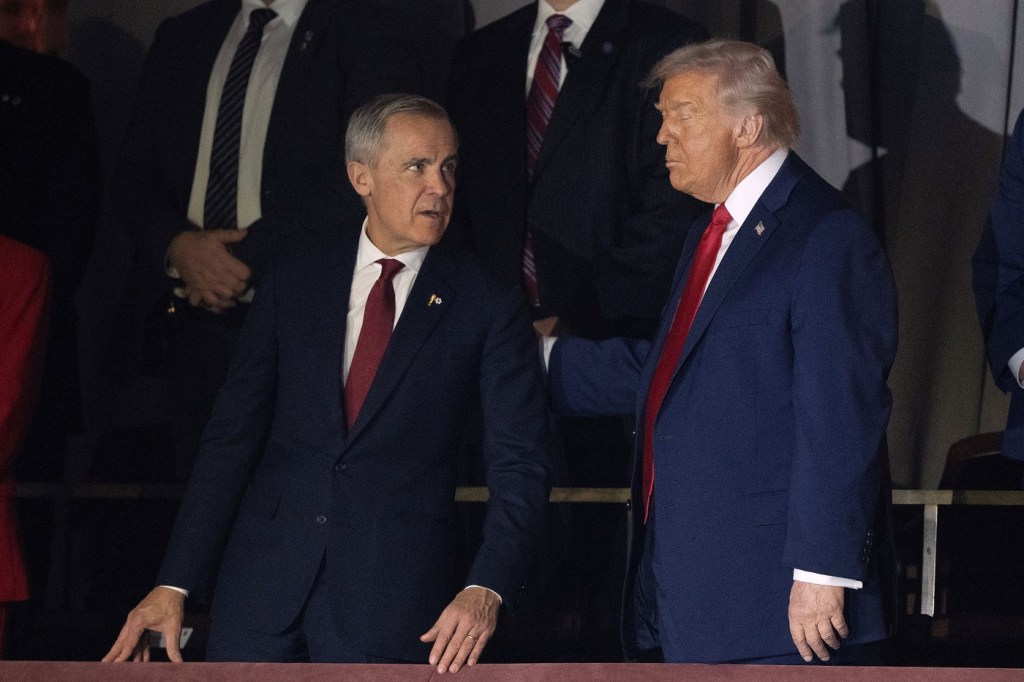
While unlikely to lead to an independent Alberta, the campaign is a challenge to Prime Minister Mark Carney's efforts to present a united Canadian front in the face of U.S. President Donald Trump's tariffs and threats to annex the country.
In the picturesque town of High River, nestled in the foothills of the Rocky Mountains, many locals stopped by a quiet little strip mall on a recent Thursday morning to sign petitions for independence. While some expressed personal admiration for Trump, most said that union with the United States was not their goal. They want Alberta to become its own country.
The country's western province, one that votes politically conservative, produces most of Canada's oil and gas. Alberta is marked by long-standing resentment among many residents who believe successive Liberal governments in Ottawa have undermined the industry's profitability through burdensome environmental regulations.
The US has confirmed meetings with Canadian separatists
Jeff Rath, a combative spokesman for the pro-independence group Alberta Prosperity Project, says the separatist movement is gaining momentum. Rath confirmed that he and other activists met in January in Washington with US State Department officials to gauge how the US administration would react to an independent Alberta.
Rath said he floated the idea of building a new oil pipeline from Alberta to the United States and that U.S. officials have responded positively, citing their concerns about the Ottawa government's plans to sell more energy to China.
“The only thing we are interested in is a free and independent Alberta, not US statehood,” Rath stressed in comments to Reuters.
A White House official said US representatives meet regularly with civil society groups and that no support or commitment to any Canadian separatist group has been conveyed. A US State Department official confirmed staff-level meetings without the involvement of senior officials, but said no further meetings would take place.
Asked about reports that Trump administration officials have met with independence-seeking Alberta separatists, Canadian Prime Minister Mark Carney said he expected the United States to “respect Canada's sovereignty.”
How many Albertans support independence from Canada
The northern US country is the fourth largest oil producer in the world, and oil and gas are the country's most valuable export. The vast majority of Canadian oil and gas is produced in Alberta, where the energy sector is a major employer and oil and gas tax revenues contribute substantially to the provincial government's budget.
Recent polls show that separatist sentiment is not supported by the majority of Alberta's population: 71% of respondents want to remain in Canada. However, almost one in five people support the idea of Alberta becoming an independent country, according to a poll conducted this month by the firm Leger.
Rath did not want to say how many signatures the separatists had collected. But a referendum could take place as early as October if the petition is successful.
“we are different”
High River resident Darell Seib said he believes Alberta — politically conservative and proud of its traditions of cattle ranching, rodeo and maverick cowboy culture — is distinct from the rest of Canada.
“People are independent, they're entrepreneurial, we work hard,” he said. “We are different. We need more of our governance to be closer to home,” he said.
Other separatists have expressed resentment that the rest of the country does not appreciate Alberta's contribution to Canada's economy. The data shows the province contributed almost as much to Canada's economic growth in 2024 as Ontario, the country's most populous province, even though Alberta's population is three times smaller.
Several separatists spoken to by Reuters declined to be named for fear of facing criticism from neighbors.
What chance do Canadian separatists have to achieve their dream?
Alberta's provincial government last year made several legislative changes that make it easier for separatists to trigger a referendum, including halving the number of signatures required.
Danielle Smith, the local governor, said in a statement to Reuters that her government supports a strong and sovereign Alberta in a united Canada, but that “citizen-initiated referendums allow people to express views that may differ from this.”
She said she worked with Carney to ease tensions between Alberta and the federal government.
With Alberta election authorities also certifying a separate petition filed by a former deputy premier that says Alberta should remain a province of Canada, a referendum on the issue could also be held this fall.
“It's absolutely absurd,” said Duane Bratt, a political science professor at Calgary's Mount Royal University.
“Smith may say she is not a separatist, but she has repeatedly gone out of her way to facilitate a separatist referendum,” he points out.
Adrienne Davidson, assistant professor of political science at McMaster University, however, says there are multiple hurdles before Alberta can become an independent country, including the lack of a clear voter threshold needed for the federal government to begin secession negotiations.
A separate, decades-old separatist movement in the French-speaking province of Quebec could produce a third independence referendum after provincial elections in October. Analysts say that would further complicate matters for Carney and could fuel calls for sovereignty in Alberta.
The breakaway Parti Québécois leads the polls and has promised to hold a referendum by 2030 if it wins the October election. Carney tried to counter the separatist movement in Alberta by offering concessions, including signing a deal in November with Smith to relax some climate rules and encourage the construction of a new oil pipeline to the west coast.