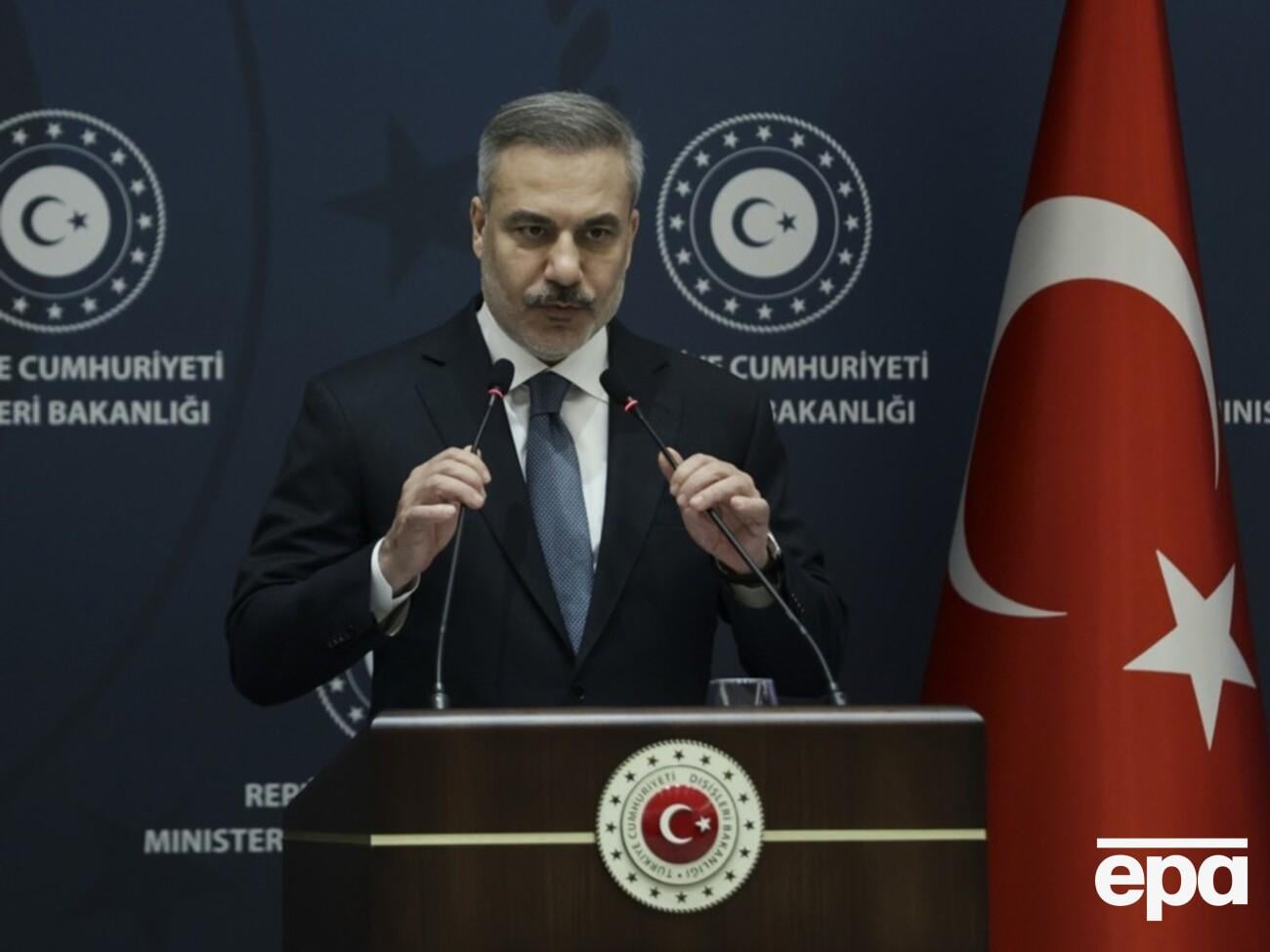
Responding to a media question about whether Türkiye should have nuclear weapons, Fidan stressed that these are strategic issues that should be considered in a broader geopolitical context.
He added that Türkiye is not interested in sudden changes that could upset the balance of power in the region. The minister said such changes would seriously undermine the “spirit of cooperation” between countries and could encourage other states with problems with Iran to seek nuclear weapons. In this case, Türkiye will likely be forced to participate in the “nuclear race.”
As Bloomberg noted, Fidan's statements came amid US efforts to prevent Iran from developing nuclear capabilities that could be used to make weapons. Türkiye has also accused Israel of having such an arsenal and argued that it undermines regional stability. According to the publication, Israel neither confirmed nor denied these accusations.
Bloomberg analysts note that Iran's military nuclear program could lead to a chain reaction of nuclear weapons proliferation in the region. Saudi Arabia has already confirmed its intention to develop its own program, although it does not yet have the necessary capabilities for this.
Türkiye and Egypt are also reported to have expressed interest in expanding their civilian nuclear programs, which could affect the regional balance of power.
Context
On January 28, US President Donald Trump demanded that Iran come to the negotiating table to achieve “a fair and just agreement – without nuclear weapons.” He warned that the next US strike “will be much worse” than last year's strikes on Iran's three nuclear sites.
The media wrote that at first representatives of the United States and Iran were supposed to meet in Istanbul on February 6 with the participation of other Middle Eastern countries as observers, but in Tehran the meeting was postponed to Oman, where the American side did not want to go at first.
On February 4, Iranian Foreign Minister Abbas Araqchi in X confirmed the holding of negotiations with the US delegation (on Tehran’s nuclear program) on February 6 in Oman. They took place in the capital Muscat. Tehran wanted to discuss with Washington exclusively nuclear issues, and not other topics, for example, the missile program, a priority for the United States and the countries of the Middle East, Axios noted.
In an interview published on February 4, Trump said that Iranian officials had considered starting construction of a new nuclear facility in another part of the country, but were warned by the United States that they would do “very bad things” to them.