Kenya announces confrontation with Russia. In the background, secret recruitment for the war in Ukraine

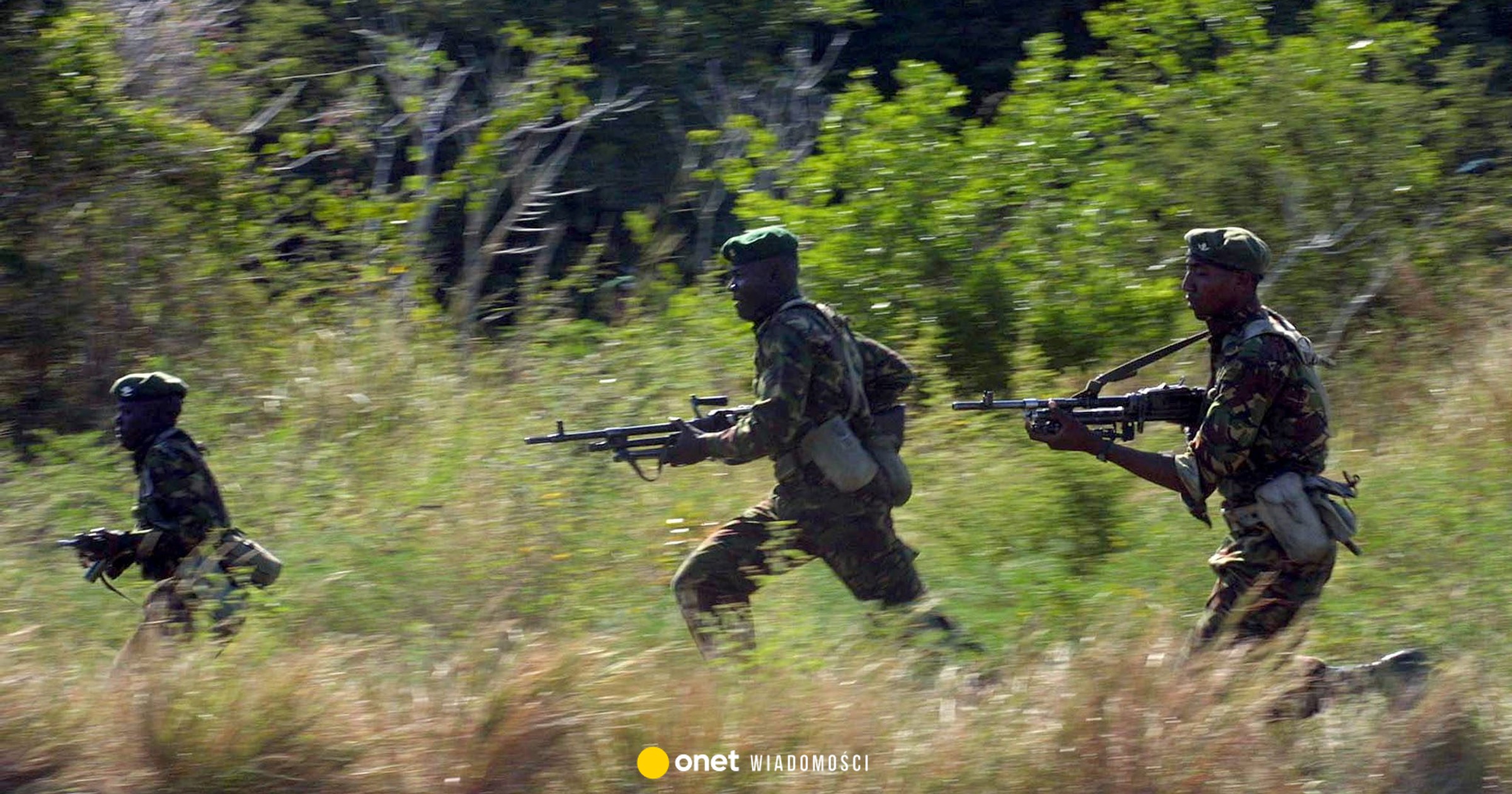
Kenyan Foreign Minister Musalia Mudavadi, in an interview with the BBC, did not hide his outrage at the recruitment practices used against his compatriots. Nairobi intends to call on Moscow to sign an official agreement that will categorically ban the conscription of Kenyan soldiers into the Russian armed forces. Mudavadi stressed that although the two countries have enjoyed cordial relations for years, the current situation is “a very unfortunate episode”.
What actions has Kenya taken regarding the recruitment of citizens to fight in Ukraine?
How many Kenyans were recruited to fight on the Russian side?
What has the Kenyan government done about dishonest recruitment agencies?
What support did the freed Kenyans receive after the fighting?
According to the BBC, contacts with Russia will now focus to put an end to illegal practices, including changes in visa policy and employment contracts that will exclude compulsory conscription. The situation is complicated because the recruited Kenyans did not travel through official channels.
Deceived by promises of work. “Deradicalize and heal trauma”
A key element of the practice are dishonest recruitment agencies. The Kenyan authorities have already taken radical steps, closing down over 600 such points suspected of misleading citizens with promises of legal employment abroad.
So far they have managed to free themselves 27 Kenyanswho took part in the fighting. These people were placed under the care of specialists. The government provided them with psychological assistance to help them deal with the trauma and put them through the so-called deradicalization.
The most tragic dimension of the conflict affects the families of those who died at the front. The exact number of victims is not known, and Russia has not officially commented on these reports. Relatives seeking help at the Russian embassy in Nairobi say they are turned away.
Minister Mudavadi admitted that many families cannot bury their loved ones, because their bodies are often found in Ukraine. Nairobi is currently working with the government in Kiev to try to bring the remains of the fallen back to the country. Although some families accuse the Kenyan government of negligence, the minister denies the allegations, claiming that the state is doing everything to eliminate illegal agencies.
A problem on a continent-wide scale
Kenya is not an isolated case. Ukrainian officials warn that any African fighting for Russia will be treated as an enemy combatant, and the only safe path is surrender and status as a prisoner of war.
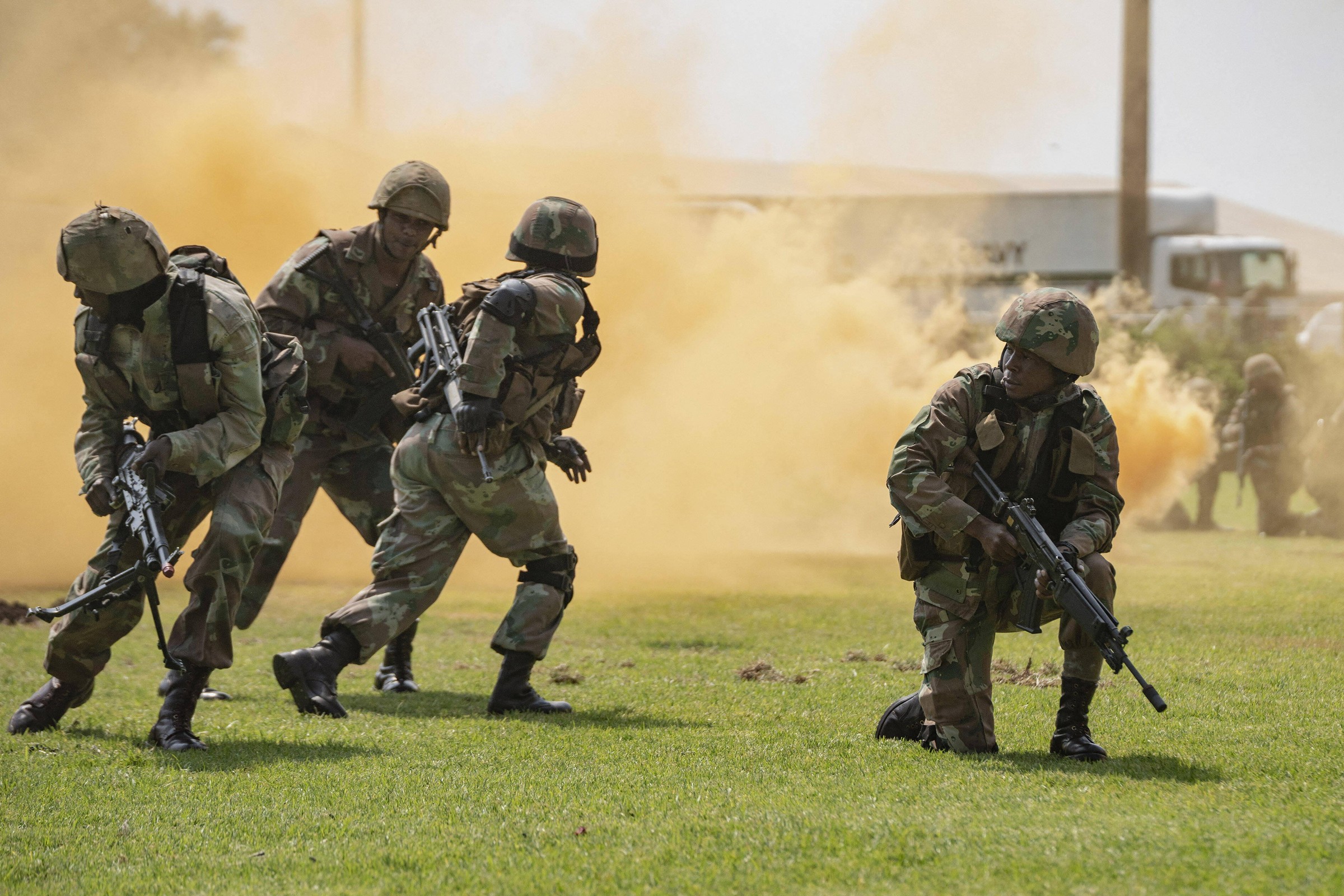
Similar problems occurred South Africa. At least 17 South African men are known to have been on the front line. President Cyril Ramaphosa intervened in this matter – after a telephone conversation with Vladimir Putin, it was announced that the Kremlin had pledged to help South African citizens return to their homeland.