They want Glapiński before the State Tribunal. So far he has sentenced only two politicians

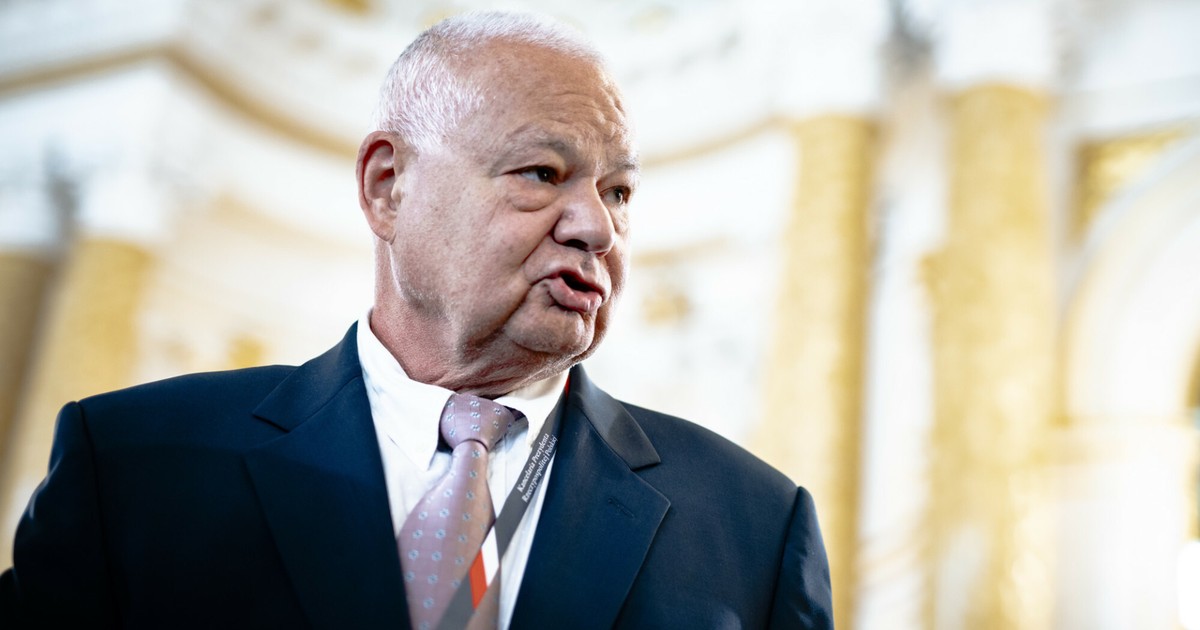
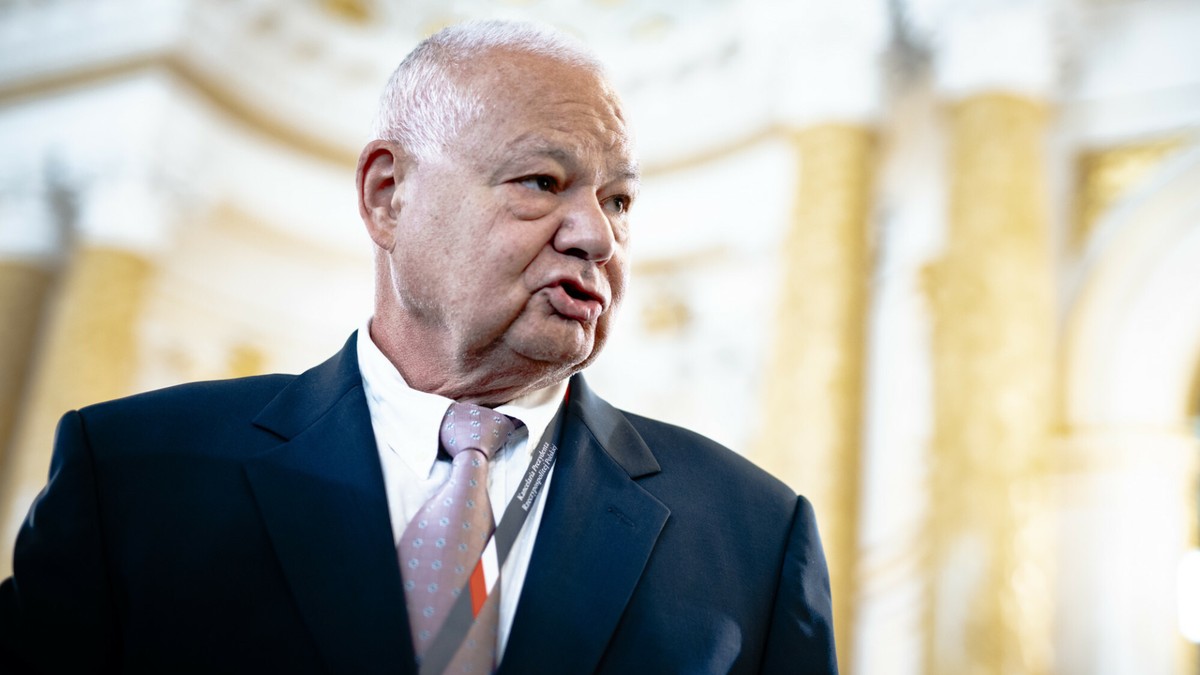
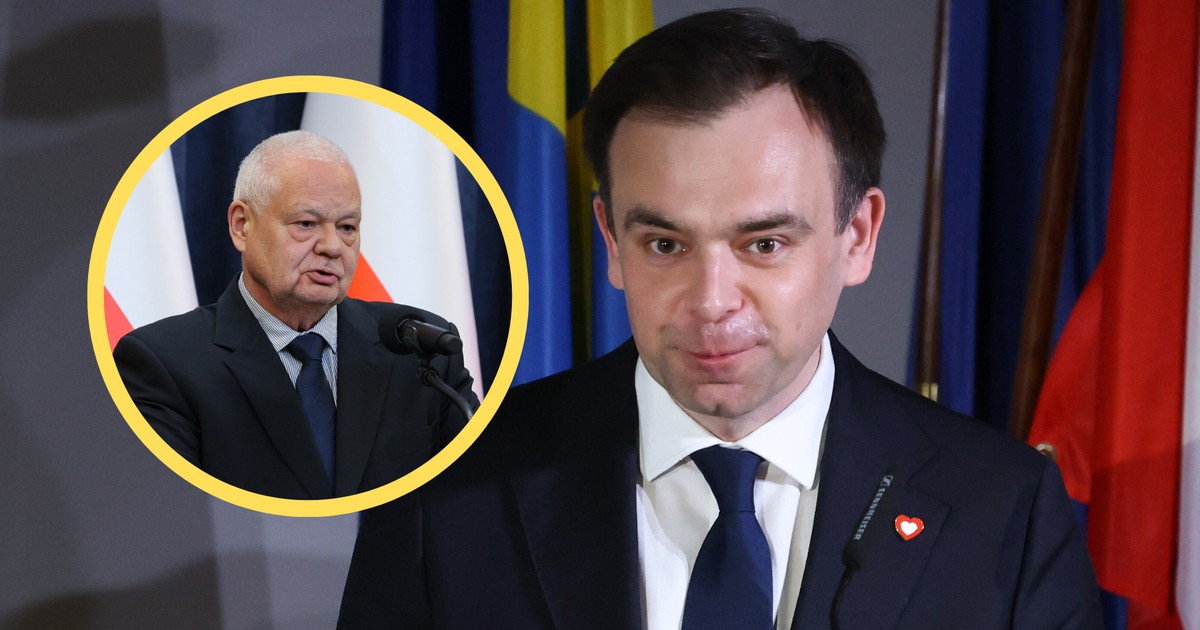
On Monday, the Sejm Committee on Constitutional Responsibility will deal with the case of the President of the NBP, Adam Glapiński. All because of the motion to bring him before the State Tribunal, submitted by 191 members of the ruling coalition. Parliamentarians accuse the head of the central bank of, among others, politicization of the NBP's activities, unauthorized currency interventions and indirect financing of the budget deficit that is inconsistent with the regulations.
Read also: A war for money, influence and the president's peace of mind. Behind the scenes of the game at NBP
How does the State Tribunal work?
In the Polish legal system, the institution of the State Tribunal operated from 1921 until World War II. The authorities of the Polish People's Republic formally restored it with the provisions of 1982. Currently, the functioning of the Constitutional Tribunal is regulated mainly by the constitution and a special act. This is a body established to hold the highest state officials accountable for violations of the law committed in connection with the performance of their public functions.
Read also: Dispute at the National Bank of Poland. A member of the management board issued a statement and pointed to manipulation
The State Tribunal may sentence a person to loss of electoral rights and position. In the case of common or fiscal crimes, it may impose penalties and punitive measures provided for in the codes.
Who has the State Tribunal sentenced so far?
It is worth recalling that in the over 100-year history of this institution, only two people have been legally convicted. In 1997, five dignitaries of the Polish People's Republic appeared before the Tribunal of State: ex-minister of finance Andrzej Wróblewski, head of the Ministry of Internal Affairs Gen. Czesław Kiszczak, minister of the internal market Aleksander Mackiewicz, minister of foreign economic cooperation Dominik Jastrzębski and president of the Central Office of Customs Jerzy Ćwiek. Everyone, in connection with the so-called alcohol scandal, also known as “schnapsgate”, they were charged with negligence, inaction and failure to fulfill their duties.
Read also: Golden elevators and war above. Shocking behind the scenes of “Byzantium” at the NBP
In 1988, Jastrzębski simplified the rules for importing alcohol, abolishing the obligation to obtain a license to import alcohol “for one's own needs”. Poles quickly took advantage of this legal loophole, bringing huge amounts of spirit into the country. The customs duty for a liter of pure spirit was the equivalent of today's zloty.
As a result, in 1988–1989, approximately 31 million liters of pure spirit were imported to Poland, net of taxes and excise duty. The State Treasury's losses were estimated at the equivalent of today's PLN 2 billion.
They answered before the State Tribunal for the “alcohol scandal”
In December 1989, the president of the Central Customs Office, Jerzy Ćwiek, ordered the destruction of customs documentation related to the import of alcohol. He soon lost his position, but the damage caused by the scandal was irreversible. It was only in 1990 that an alcohol tax was introduced.
Ultimately, the State Tribunal convicted Ćwiek and Jastrzębski. Both of them lost their passive electoral rights for 5 years and were unable to hold official management positions for the same period. The trial did not determine whether they intentionally or short-sightedly reduced budget revenues.